Over 80% of visible aging signs on your face aren’t from the passing years—they’re from cumulative sun exposure that creates stubborn pigmentation and damage conventional skincare can’t touch. IPL photofacial technology offers a precise, medical-grade solution that targets these deep-seated concerns at the cellular level, delivering transformative results that restore your skin’s natural clarity and radiance.
What Is IPL Photofacial Treatment?
IPL (Intense Pulsed Light) photofacial is a non-invasive cosmetic procedure that uses broad-spectrum light to target and treat various skin imperfections. Unlike laser treatments that use a single wavelength, IPL delivers multiple wavelengths of light simultaneously, allowing it to address several skin concerns in one session.
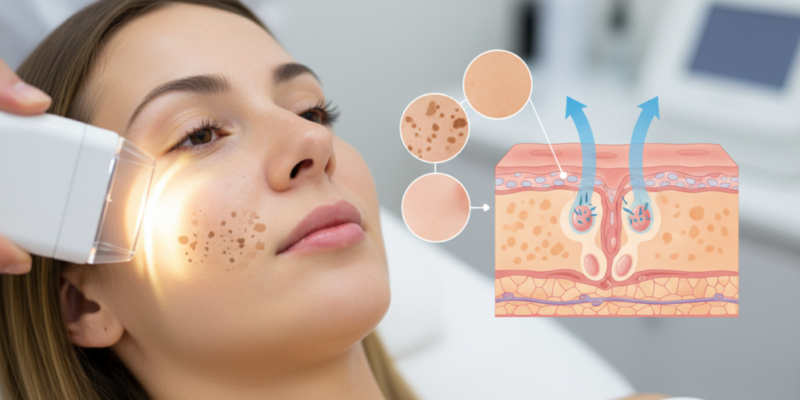
The technology works by emitting controlled pulses of light that penetrate the skin’s surface layers. These light pulses are absorbed by specific targets in your skin—primarily melanin (responsible for pigmentation) and hemoglobin (in blood vessels). When these targets absorb the light energy, they heat up and are gradually broken down by your body’s natural healing processes.
How IPL Differs from Traditional Laser Treatments
Here’s what makes IPL unique: traditional lasers use a single, focused beam of light, while IPL uses a broad spectrum of light wavelengths. This multi-wavelength approach allows IPL to treat multiple skin concerns simultaneously, making it particularly effective for addressing sun damage and various types of pigmentation issues.
The treatment is often called a “photofacial” because it improves overall skin appearance, giving you a refreshed, more youthful complexion rather than targeting just one specific issue.
Understanding Sun Damage and Pigmentation Issues
Before diving into how IPL treats these concerns, it’s important to understand what you’re dealing with. Sun damage and pigmentation problems develop over years of UV exposure, creating visible signs that can make your skin look older and less vibrant.
Common Types of Sun Damage
- Age Spots (Solar Lentigines): Flat, brown or black spots that appear on sun-exposed areas
- Freckles: Small, concentrated areas of melanin production triggered by sun exposure
- Sun Spots: Larger, irregularly shaped brown patches on the face, hands, and décolletage
- Melasma: Hormone-triggered pigmentation that’s often worsened by sun exposure
- Post-Inflammatory Hyperpigmentation: Dark spots left behind after acne or other skin injuries
Why These Issues Are So Persistent
Most people don’t realize that topical treatments only work on surface-level discoloration. The pigmentation that creates these visible concerns often sits deeper in your skin layers, which is why over-the-counter products rarely deliver significant results for established sun damage.
This is where IPL’s targeted light energy becomes so valuable—it can reach these deeper pigmented areas and break them down from within.
The Science Behind IPL Treatment
Understanding how IPL works helps explain why it’s so effective for treating sun damage and pigmentation. The process relies on a principle called selective photothermolysis—a fancy term that simply means using light to heat and destroy specific targets while leaving surrounding tissue unharmed.
The IPL Treatment Process
During your IPL session, here’s what happens:
- Light Absorption: The IPL device delivers broad-spectrum light pulses to your skin
- Target Heating: Pigmented areas absorb this light energy and convert it to heat
- Cellular Breakdown: The heat damages the pigmented cells and broken capillaries
- Natural Elimination: Your body’s lymphatic system gradually removes the damaged tissue
- Skin Renewal: New, healthy skin cells replace the treated areas
Why Multiple Sessions Are Necessary
Your skin didn’t develop sun damage overnight, and it won’t disappear after one treatment either. Most patients need 3-5 IPL sessions spaced 3-4 weeks apart to achieve optimal results. This timing allows your skin to heal between treatments and gives your body time to eliminate the broken-down pigmented cells.
What to Expect During IPL Photofacial Treatment
Many patients worry about discomfort during IPL treatments, but most find the experience quite tolerable. Here’s what typically happens during your session:
Pre-Treatment Preparation
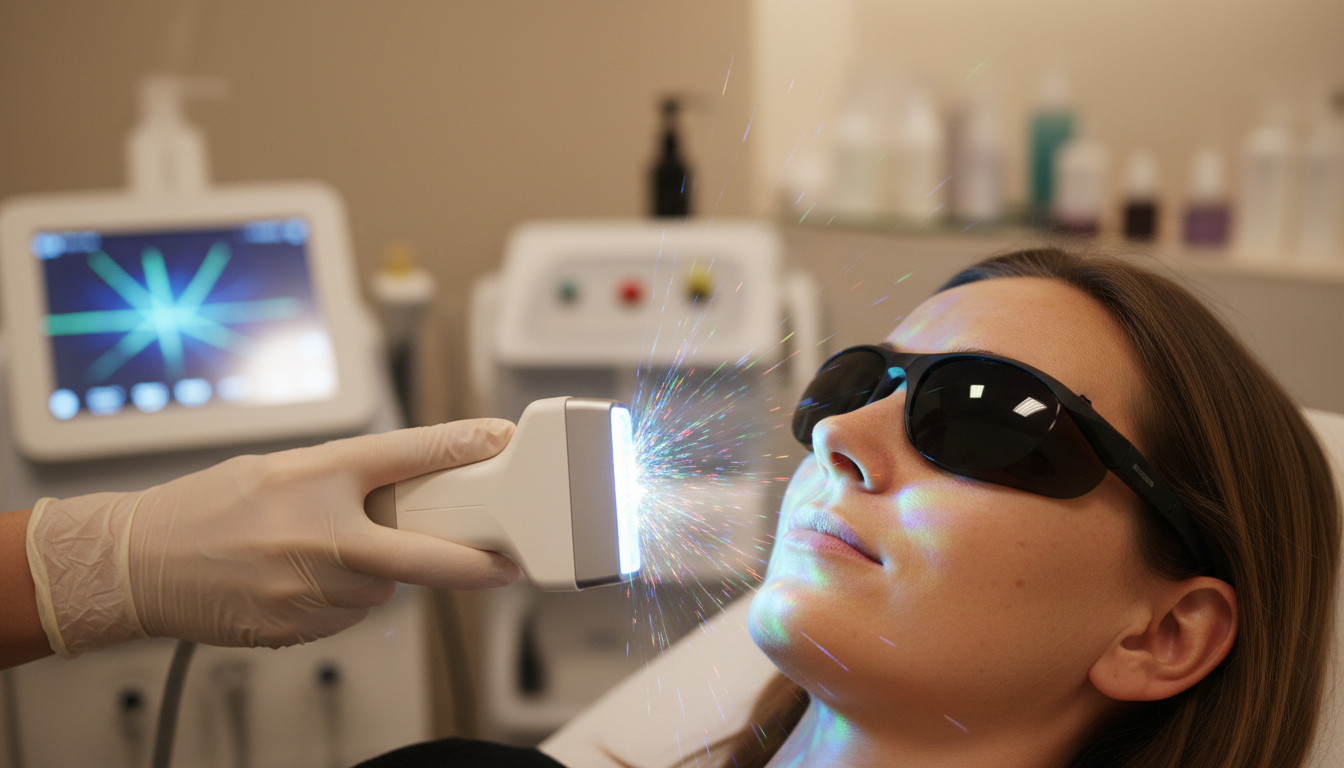
Your practitioner will cleanse your skin and apply a cooling gel to the treatment area. You’ll also wear protective eyewear to shield your eyes from the bright light pulses. The treatment area is carefully examined to customize the light settings for your specific skin type and concerns.
During the Treatment
The IPL handpiece is placed against your skin, and you’ll feel brief pulses of light. Most patients describe the sensation as similar to a rubber band snapping against the skin, followed by a warm feeling. Treatment typically takes 20-30 minutes, depending on the size of the area being treated.
Immediate Post-Treatment Effects
Right after treatment, you might notice some redness and mild swelling, similar to a light sunburn. This is completely normal and usually subsides within a few hours. Some patients see immediate darkening of pigmented spots—this is actually a good sign that the treatment is working.
Results Timeline and What to Expect
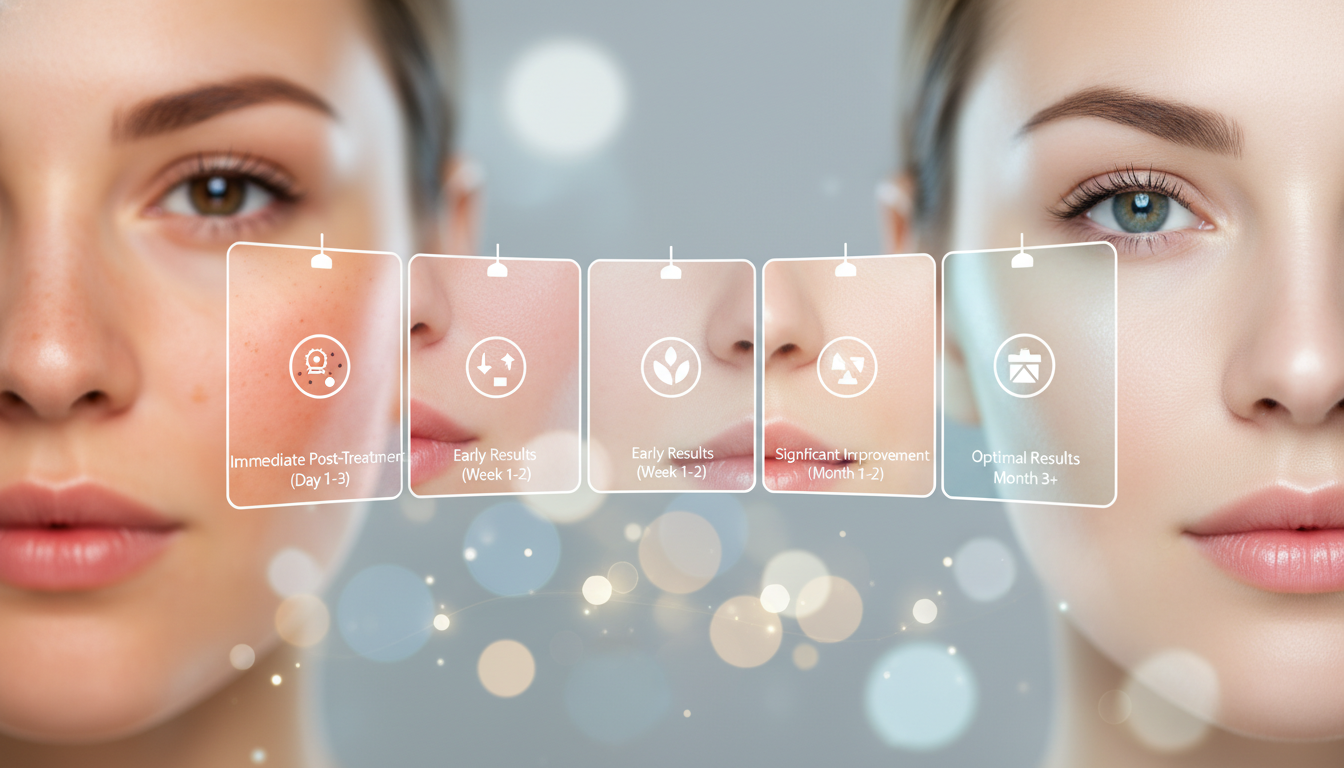
Here’s the thing about IPL results—they don’t happen overnight, but when they do appear, they’re impressive. Understanding the timeline helps set proper expectations and ensures you don’t get discouraged during the healing process.
Week 1-2 After Treatment
During the first week, you might notice that pigmented areas look darker than before treatment. Don’t worry—this darkening indicates that the pigmented cells are rising to the surface where they’ll eventually slough off. Some patients experience mild peeling or flaking as their skin begins to renew itself.
Week 2-4 After Treatment
This is when you’ll start seeing the real magic happen. The darkened pigmented areas begin to fade and flake off, revealing clearer, more even-toned skin underneath. Many patients notice their complexion looks brighter and more radiant during this period.
Long-Term Results
After completing a full series of treatments, most patients see significant improvement in:
- Overall skin tone and texture
- Reduction in age spots and sun damage
- Decreased appearance of fine lines
- Improved skin clarity and radiance
- More even pigmentation
Ideal Candidates for IPL Photofacial
IPL works exceptionally well for many people, but it’s not right for everyone. The best candidates typically have:
- Light to medium skin tones
- Realistic expectations about results and timeline
- Commitment to sun protection after treatment
- No active skin infections or conditions in the treatment area
- Ability to avoid sun exposure for several weeks before and after treatment
When IPL Might Not Be Recommended
Certain factors can make IPL less effective or potentially risky. These include:
- Very dark skin tones (higher risk of pigmentation changes)
- Recent sun exposure or active tanning
- Pregnancy or nursing
- Certain medications that increase light sensitivity
- Active skin conditions like eczema or psoriasis in the treatment area
Maximizing Your IPL Results
Getting great results from IPL isn’t just about the treatment itself—proper preparation and aftercare play crucial roles in your success.
Pre-Treatment Preparation
Starting 2-4 weeks before your first session:
- Avoid sun exposure and tanning beds
- Stop using retinoids and other potentially irritating skincare products
- Inform your practitioner about all medications and supplements
- Stay well-hydrated to support your skin’s healing process
Post-Treatment Care
After each IPL session:
- Apply broad-spectrum SPF 30+ sunscreen daily (this is non-negotiable)
- Use gentle, fragrance-free skincare products
- Avoid picking or scrubbing at treated areas
- Keep your skin well-moisturized
- Avoid heat sources like saunas, hot tubs, and intense exercise for 24-48 hours
Combining IPL with Other Treatments
Many patients achieve even better results by combining IPL with other aesthetic treatments. This approach can address multiple skin concerns simultaneously and enhance overall outcomes.
Popular Combination Treatments
IPL pairs well with:
- Chemical Peels: Help accelerate cell turnover and enhance IPL results
- Microneedling: Improves skin texture and helps skincare products penetrate better
- Professional Facials: Maintain skin health between IPL sessions
- Medical-Grade Skincare: Supports and prolongs IPL results
Timing Multiple Treatments
The key to successful combination treatments is proper timing. Your aesthetic provider will create a treatment schedule that allows your skin adequate healing time while maximizing the synergistic effects of different procedures.
Safety Considerations and Potential Side Effects
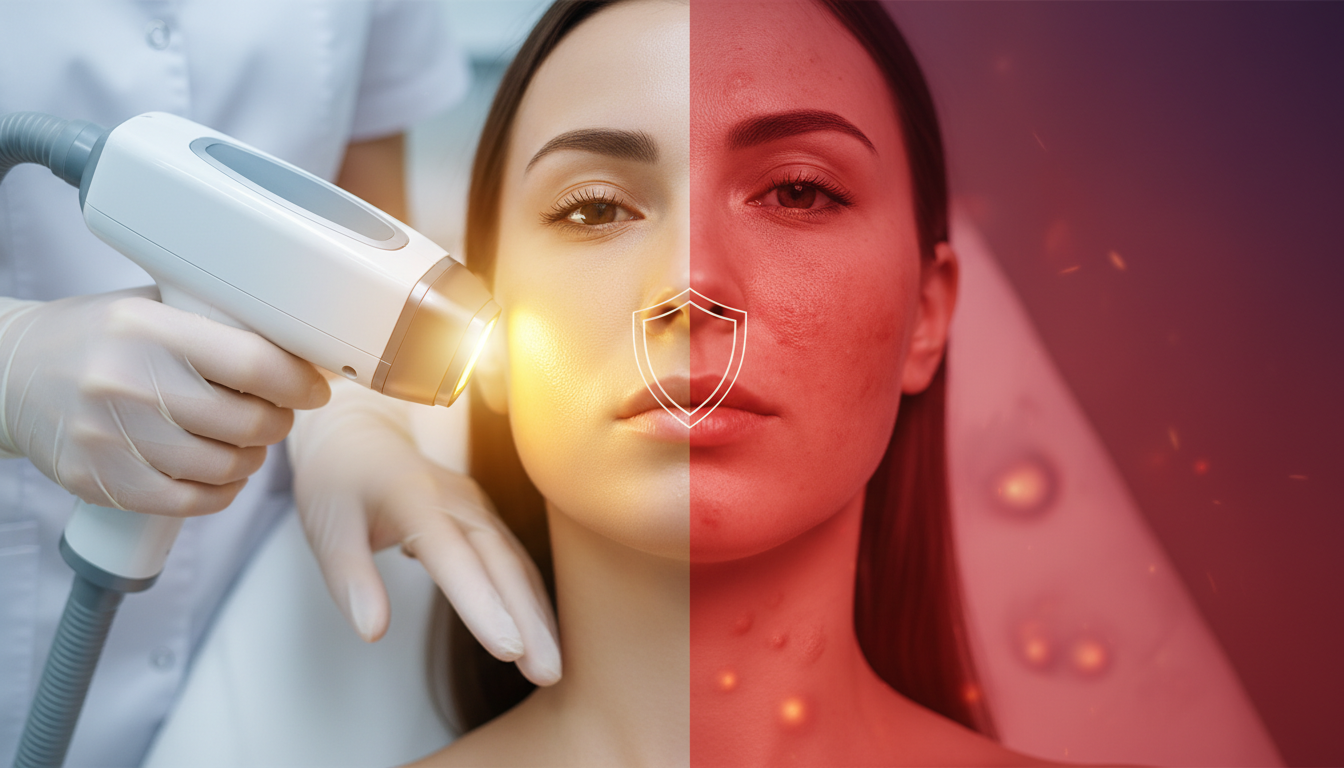
IPL is generally considered very safe when performed by qualified professionals, but like any medical aesthetic treatment, it does carry some risks and potential side effects.
Common Side Effects
Most side effects are mild and temporary:
- Redness and swelling (usually resolves within hours)
- Temporary darkening of pigmented spots
- Mild crusting or peeling
- Slight skin sensitivity for a few days
Rare but Serious Risks
When performed by inexperienced practitioners or on inappropriate candidates, IPL can cause:
- Permanent pigmentation changes
- Scarring
- Burns or blistering
- Eye injury if proper protection isn’t used
This is why choosing a qualified, experienced provider is absolutely essential for safe, effective treatment.
Maintaining Your Results Long-Term
IPL can dramatically improve your skin’s appearance, but maintaining those results requires ongoing commitment to proper skincare and sun protection.
Essential Maintenance Steps
- Daily Sun Protection: This can’t be overstated—consistent SPF use is the most important factor in preventing new sun damage
- Quality Skincare Routine: Use products with proven ingredients like vitamin C, retinoids, and niacinamide
- Regular Professional Treatments: Many patients benefit from annual “touch-up” IPL sessions
- Healthy Lifestyle Choices: Proper hydration, nutrition, and sleep all support skin health
When to Consider Follow-Up Treatments
Most patients enjoy their IPL results for 1-2 years before considering additional treatments. Factors that might shorten this timeframe include continued sun exposure, hormonal changes, or natural aging processes.
Cost Considerations and Treatment Value
IPL photofacial treatments represent a significant investment in your skin’s health and appearance. While costs vary based on location, provider experience, and treatment area size, most patients find the results justify the expense when compared to the ongoing cost of ineffective topical products.
Factors Affecting Treatment Cost
- Geographic location
- Provider’s experience and credentials
- Size of treatment area
- Number of sessions needed
- Combination with other treatments
Maximizing Treatment Value
To get the best value from your IPL investment:
- Choose an experienced, board-certified provider
- Follow all pre- and post-treatment instructions
- Commit to proper sun protection
- Consider package deals for multiple sessions
Choosing the Right Provider
The success of your IPL treatment depends heavily on the skill and experience of your provider. Not all aesthetic practitioners are created equal, and this is one area where you definitely don’t want to compromise on quality.
What to Look for in a Provider
- Board certification in dermatology or plastic surgery
- Extensive experience with IPL treatments
- Modern, well-maintained equipment
- Thorough consultation and skin assessment process
- Clear communication about realistic expectations
- Proper safety protocols and emergency procedures
Red Flags to Avoid
Be cautious of providers who:
- Promise unrealistic results
- Offer prices that seem too good to be true
- Rush through consultations without proper skin assessment
- Don’t discuss potential risks and side effects
- Use outdated or poorly maintained equipment
Conclusion
IPL photofacial treatment offers a scientifically proven solution for addressing stubborn sun damage and pigmentation issues that topical products simply can’t touch. The technology’s ability to target multiple skin concerns simultaneously while promoting overall skin renewal makes it an excellent choice for women seeking comprehensive skin rejuvenation.
The key to successful IPL treatment lies in realistic expectations, proper preparation, diligent aftercare, and most importantly, choosing an experienced provider who prioritizes your safety and results. While the treatment requires a time investment and commitment to sun protection, the vast majority of patients find the dramatic improvement in their skin’s clarity, tone, and overall appearance well worth the effort.
At Beyond Aesthetics, our board-certified physician brings over 25 years of experience to every IPL treatment, ensuring you receive the safest, most effective care possible. We offer same-day consultations with flexible scheduling, making it easy to take the first step toward clearer, more radiant skin. Ready to address your sun damage and pigmentation concerns with proven IPL technology? Contact us today to schedule your personalized consultation and discover how IPL photofacial can restore your skin’s natural beauty.