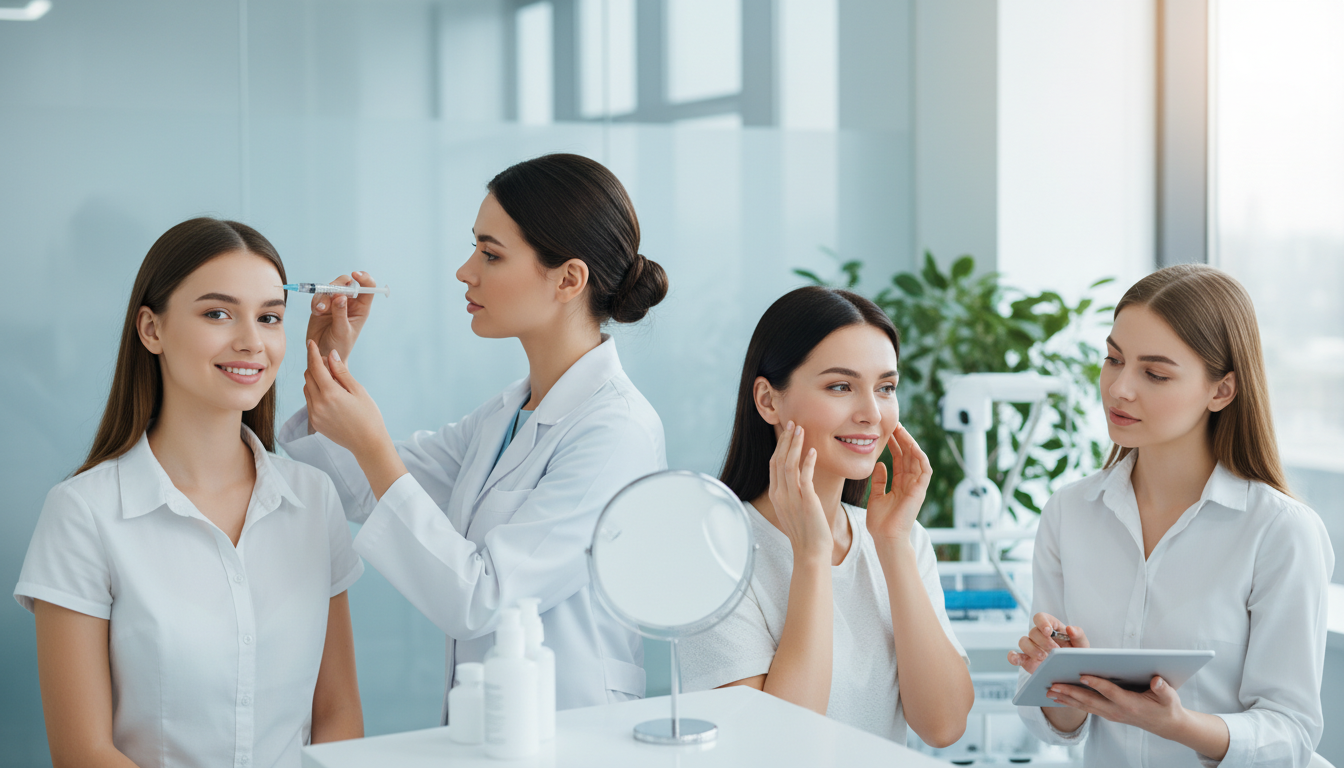

Nearly 90% of women develop stretch marks during pregnancy, yet most don’t realize that modern laser and microneedling technologies can significantly reduce their appearance. These advanced treatments work by stimulating your skin’s natural healing response, rebuilding collagen from within. The key is choosing the right approach for your specific skin type and stretch mark characteristics.

Understanding Stretch Marks: Why They Form and Why They’re Stubborn
Stretch marks develop when your skin stretches rapidly, causing the dermis—the middle layer of skin—to tear. This happens most commonly during pregnancy, puberty, rapid weight gain, or muscle building. The tears initially appear as red or purple lines, then fade to white or silver over time.
Here’s what makes them so persistent: stretch marks are essentially scars. Your body tries to repair the damaged tissue, but the new collagen forms differently than your original skin structure. That’s why topical creams alone rarely make a meaningful difference—they can’t reach deep enough to remodel this scar tissue.
The good news? Advanced treatments like laser therapy and microneedling can reach those deeper layers and trigger genuine healing.
Laser Treatments for Stretch Mark Removal
Laser technology has revolutionized stretch mark treatment by targeting different aspects of scar tissue formation. Here’s how the most effective laser treatments work:
Fractional CO2 Laser
This treatment creates thousands of microscopic columns of controlled damage in your skin. Your body responds by producing new collagen and elastin, gradually filling in the stretch marks from underneath.
What to expect:
- Treatment takes 30-45 minutes depending on the area size
- You’ll experience 5-7 days of downtime with redness and peeling
- Most people see noticeable improvement after 3-4 sessions
- Best results appear 3-6 months after your final treatment
The reality is that fractional CO2 delivers some of the most dramatic results, but it requires commitment to the healing process.
Fraxel Laser Treatment
Fraxel uses fractional laser technology with less intensity than CO2, making it suitable for people who can’t take extended downtime. It works by creating controlled micro-injuries that stimulate collagen production without affecting the surrounding healthy tissue.
Key advantages:
- Minimal downtime—usually 2-3 days of mild redness
- Can be used on all skin types safely
- Gradual, natural-looking improvement
- Typically requires 4-6 sessions for optimal results
Pulsed Dye Laser
This laser specifically targets the blood vessels in newer, red stretch marks. It’s particularly effective for marks that are still in their inflammatory stage—those that appear pink, red, or purple.
Most businesses miss this: timing matters enormously with pulsed dye laser treatment. The earlier you treat stretch marks, the better your results will be.
Microneedling: Stimulating Natural Collagen Production
Microneedling, also called collagen induction therapy, uses fine needles to create controlled micro-injuries in your skin. This triggers your body’s wound healing process, promoting new collagen and elastin formation.
Traditional Microneedling
A device with fine needles creates thousands of tiny punctures in the treatment area. The controlled injury stimulates collagen production while allowing for better absorption of topical treatments.
Treatment details:
- Sessions last 30-60 minutes
- Minimal downtime—skin may appear slightly red for 24-48 hours
- Most effective with 4-6 treatments spaced 4-6 weeks apart
- Can be combined with growth factors or vitamin serums
Radiofrequency Microneedling
This advanced technique combines traditional microneedling with radiofrequency energy. The needles deliver heat energy directly into the dermis, creating more significant collagen remodeling than microneedling alone.
Here’s what works: the combination approach addresses both the surface texture and the deeper structural issues that create stretch marks.
Benefits include:
- More dramatic results than traditional microneedling
- Suitable for all skin types and colors
- Can treat stretch marks anywhere on the body
- Minimal risk of pigmentation changes

Comparing Treatment Options: Which Approach Is Right for You?
Choosing the right treatment depends on several factors. Here’s how to evaluate your options:
Consider Your Stretch Mark Characteristics
New stretch marks (red/purple): Pulsed dye laser often provides the fastest results because it can target the active inflammation.
Old stretch marks (white/silver): Fractional CO2 or radiofrequency microneedling typically work best because they can remodel the established scar tissue.
Mixed ages: A combination approach often delivers optimal results.
Factor in Your Lifestyle
Your schedule and skin sensitivity should influence your choice:
- Limited downtime available: Fraxel laser or traditional microneedling
- Can handle significant downtime: Fractional CO2 for faster, more dramatic results
- Sensitive skin: Microneedling with gradual progression
- All skin types: Radiofrequency microneedling offers the most universal safety profile
What to Expect During Treatment
Understanding the treatment process helps you prepare for better results.
Pre-Treatment Preparation
Most treatments require some preparation:
- Avoid sun exposure for 2-4 weeks before treatment
- Stop using retinoids or exfoliating products 1 week prior
- Stay hydrated and maintain healthy nutrition
- Avoid blood-thinning medications if medically appropriate
During Your Session
Here’s the thing about professional stretch mark treatments—they’re more comfortable than most people expect. Topical numbing cream is typically applied 30-45 minutes before treatment, making the process quite tolerable.
Your practitioner will:
- Clean and prepare the treatment area
- Apply appropriate numbing if needed
- Perform the laser or microneedling treatment
- Apply soothing serums or healing ointments
- Provide detailed aftercare instructions
Post-Treatment Care and Timeline
Proper aftercare significantly impacts your results. Here’s what you need to know:
Immediate Aftercare (First 48 Hours)
- Keep the area clean and dry
- Apply prescribed healing ointments as directed
- Avoid hot showers, saunas, or intense exercise
- Stay out of direct sunlight
- Don’t pick at any peeling or scabbing
Long-Term Healing (Weeks 1-12)
The reality is that collagen remodeling takes time. You might see initial improvements within 2-4 weeks, but the most significant changes typically appear 3-6 months after treatment.
During this period:
- Use gentle, fragrance-free moisturizers
- Apply broad-spectrum SPF 30+ daily
- Stay hydrated and maintain good nutrition
- Follow your practitioner’s skincare recommendations
Realistic Expectations: What Results Can You Achieve?
This might surprise you: complete elimination of stretch marks isn’t always possible, but significant improvement absolutely is. Most patients see 50-80% improvement in texture, color, and overall appearance.
Factors That Influence Results
Several variables affect your outcome:
- Age of stretch marks: Newer marks typically respond better
- Skin type and color: Some treatments work better on certain skin tones
- Location on body: Areas with better circulation often heal more effectively
- Overall health: Good nutrition and hydration support healing
- Treatment adherence: Following the complete protocol is essential
Timeline for Results
Here’s what most patients experience:
- 2-4 weeks: Initial texture improvement
- 6-8 weeks: Noticeable color changes
- 3-4 months: Significant texture and appearance improvement
- 6-12 months: Final results as collagen continues remodeling

Combination Approaches for Enhanced Results
Many practitioners now use combination treatments for optimal outcomes. Popular approaches include:
Laser + Microneedling Protocol
Starting with laser treatment to break down scar tissue, followed by microneedling to enhance healing and collagen production.
Microneedling + Growth Factors
Combining microneedling with platelet-rich plasma (PRP) or growth factor serums to accelerate healing and improve results.
Sequential Laser Treatments
Using different laser types to address various aspects of stretch marks—pulsed dye for color, fractional for texture.
Choosing the Right Provider
The expertise of your practitioner significantly impacts your results and safety. Here’s what to look for:
Credentials and Experience
- Board certification in dermatology or plastic surgery
- Specific training and experience with stretch mark treatments
- Before-and-after photos of actual patients
- Proper medical supervision of treatments
Technology and Approach
A quality practice should offer:
- Multiple treatment options to customize your approach
- Current, FDA-approved equipment
- Detailed consultation and realistic expectations
- Complete aftercare support
Cost Considerations and Investment Planning
Stretch mark treatments represent a significant investment, but understanding the costs helps you plan effectively.
Typical Price Ranges
Treatment costs vary by location, provider, and specific approach:
- Microneedling: $300-$600 per session
- Fraxel laser: $800-$1,500 per session
- Fractional CO2: $1,000-$2,500 per session
- Radiofrequency microneedling: $600-$1,200 per session
Package Deals and Financing
Most practices offer package pricing for multiple sessions, which can provide significant savings. Many also offer financing options to make treatments more accessible.
When evaluating costs, consider the total investment including:
- Number of sessions needed
- Aftercare products
- Potential touch-up treatments
- Time off work for recovery
Alternative and Adjunctive Treatments
While laser and microneedling are the gold standards, other treatments can complement your results:
Topical Treatments
Prescription retinoids, growth factor serums, and specialized stretch mark creams can enhance healing between professional treatments.
Body Contouring
For areas with both stretch marks and excess skin, treatments like radiofrequency skin tightening or ultrasound therapy might be beneficial additions.
Nutritional Support
Collagen supplements, vitamin C, and proper hydration support your skin’s natural healing processes.
Professional stretch mark removal has evolved dramatically over the past decade. Modern laser and microneedling treatments can deliver significant improvement in texture, color, and overall appearance when performed by experienced practitioners. The key to success lies in choosing the right treatment approach for your specific situation, maintaining realistic expectations, and committing to the complete treatment protocol.
At Beyond Aesthetics, our board-certified physician brings over 25 years of experience to every consultation, helping you determine the most effective approach for your unique needs. We offer same-day consultations with flexible scheduling to accommodate your lifestyle. Ready to explore your options for stretch mark improvement? Contact our team to discuss which treatment approach might be right for you.