Your body produces millions of platelets daily, yet most people don’t realize these tiny blood components hold the key to naturally reversing signs of aging and hair loss. Platelet-rich plasma (PRP) therapy harnesses your body’s own healing mechanisms to rejuvenate skin and stimulate hair growth without synthetic chemicals or invasive procedures.
What Is PRP Therapy?
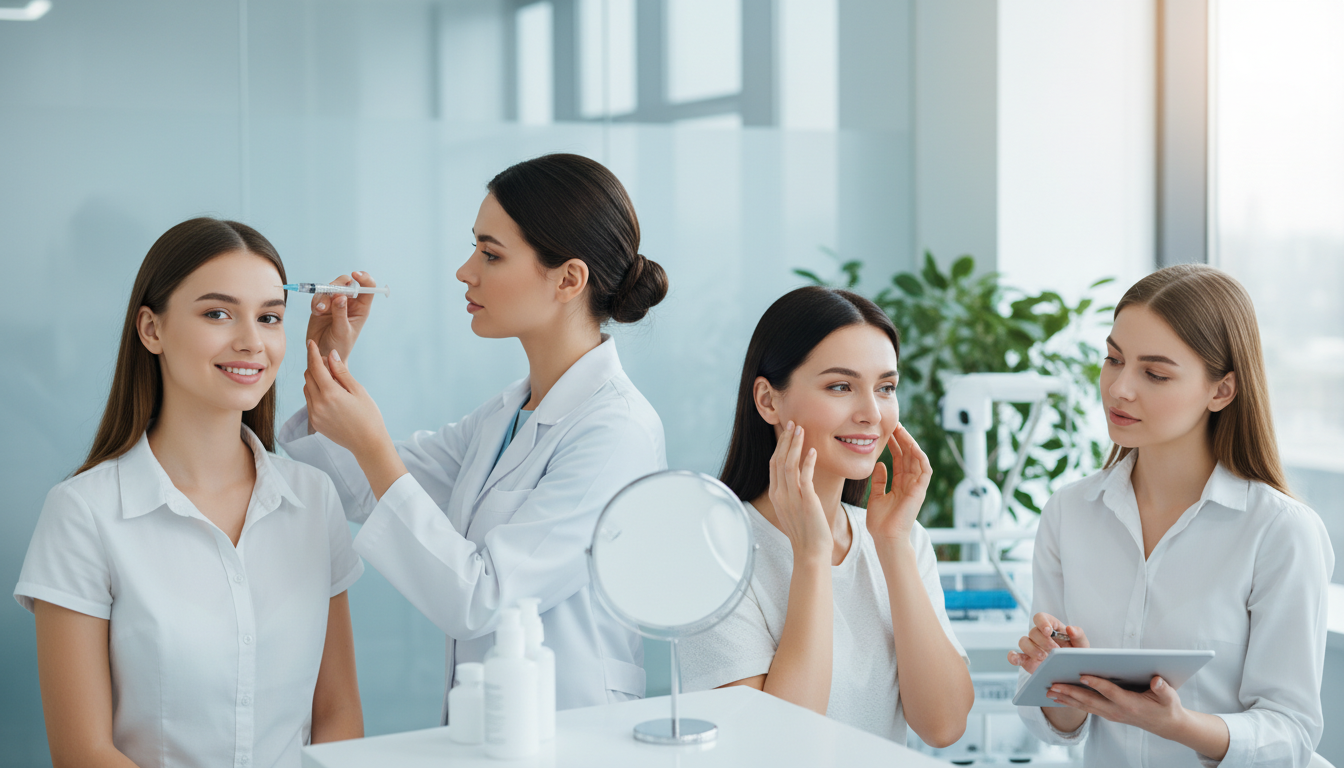
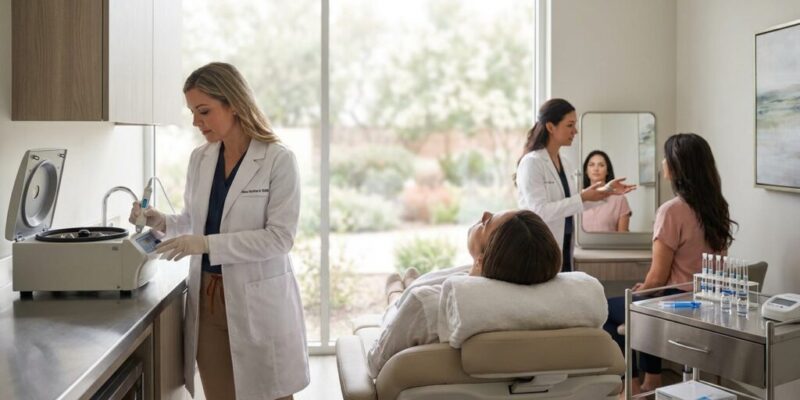
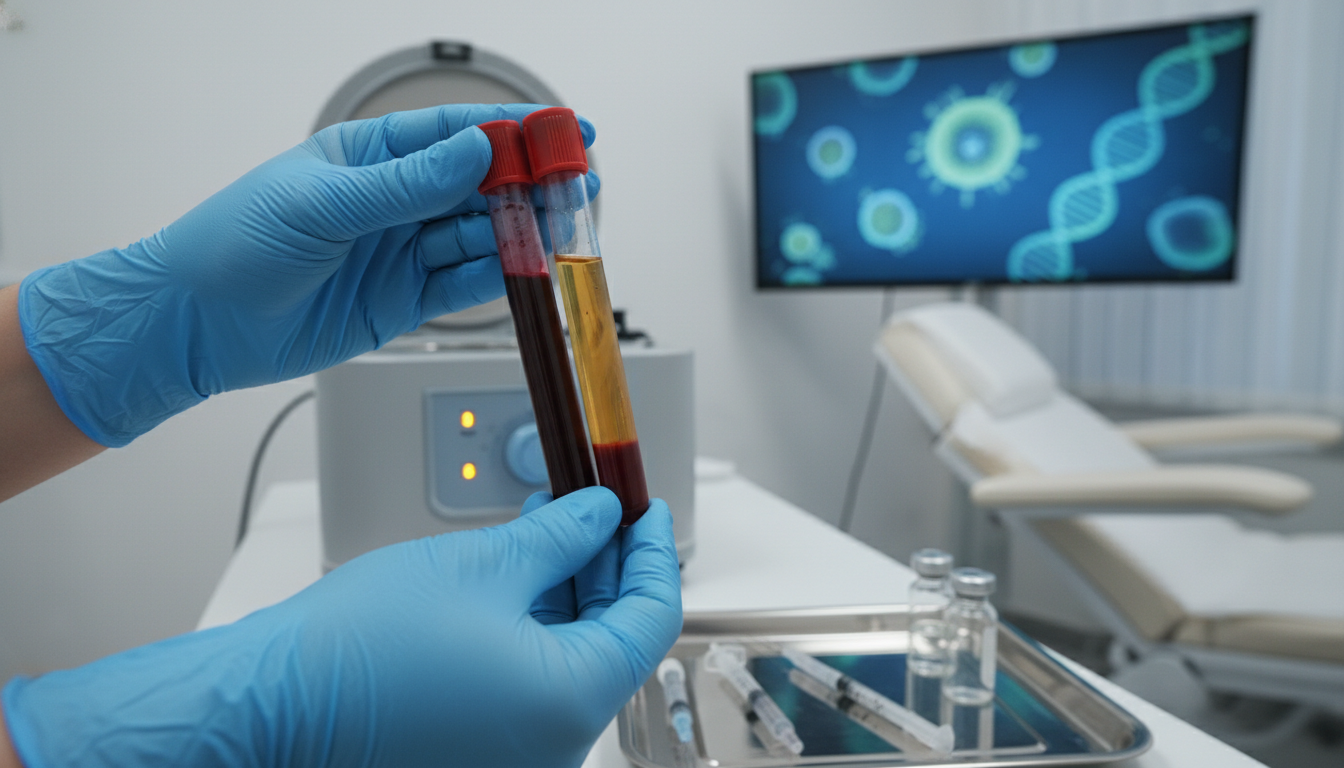
PRP therapy uses concentrated platelets from your own blood to trigger natural healing and regeneration processes. During treatment, a medical professional draws a small amount of your blood, processes it in a centrifuge to separate and concentrate the platelets, then injects this platelet-rich plasma back into targeted areas of your skin or scalp.
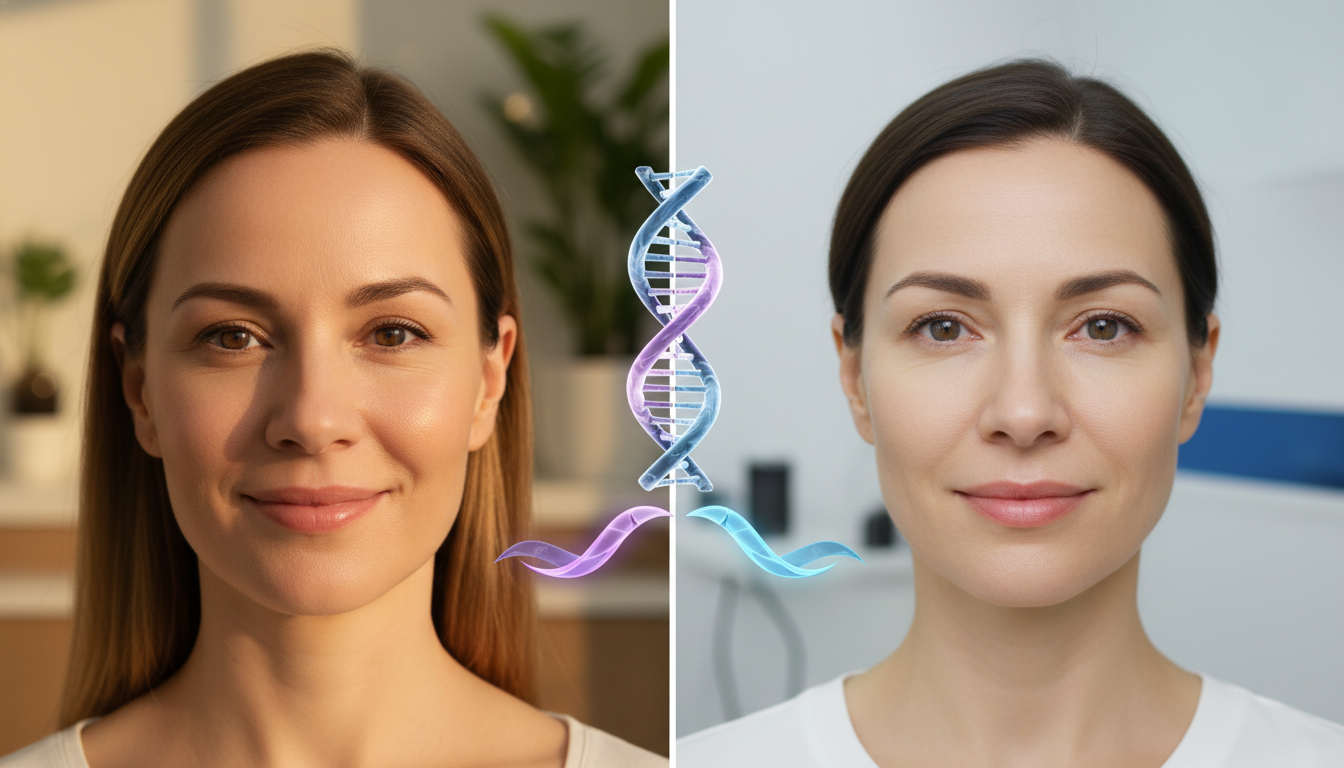
The concentrated platelets contain growth factors and proteins that stimulate cell renewal, boost collagen production, and improve blood flow to treated areas. This isn’t a new concept – medical professionals have used PRP for wound healing and sports injuries for decades. The aesthetic applications represent a natural evolution of this proven technology.
How PRP Works for Skin Rejuvenation
Your skin constantly repairs itself, but this process slows significantly with age. PRP therapy essentially gives your skin’s natural repair mechanisms a powerful boost.
The Science Behind Skin Renewal
When PRP is injected into facial skin, the concentrated growth factors trigger several beneficial processes:
- Collagen stimulation: Growth factors signal your skin to produce new collagen, improving firmness and elasticity
- Cell turnover acceleration: Fresh, healthy skin cells replace damaged ones more quickly
- Blood vessel formation: New capillaries form, improving nutrient delivery to skin tissues
- Tissue repair: Existing damage from sun exposure, acne scars, and aging begins to heal
Visible Results You Can Expect
Most patients notice initial improvements within 2-4 weeks, with continued enhancement over several months. Here’s what typically improves:
- Fine lines and wrinkles become less pronounced
- Skin texture smooths and becomes more refined
- Overall tone and brightness improve
- Acne scars and other minor imperfections fade
- Skin feels firmer and more elastic
The results appear gradually and naturally – you won’t look “done” or artificial like some other aesthetic treatments can produce.
PRP for Hair Growth and Restoration
Hair loss affects both men and women, often causing significant emotional distress. PRP offers a non-surgical solution that can slow hair loss and promote new growth.
Understanding Hair Loss
Most hair loss occurs when hair follicles shrink due to hormonal changes, genetics, or poor blood circulation. These weakened follicles produce thinner, shorter hairs before eventually stopping production altogether.
PRP therapy addresses this problem by delivering growth factors directly to hair follicles. The treatment can:
- Strengthen existing hair follicles
- Extend the growth phase of hair cycles
- Improve blood flow to the scalp
- Potentially reactivate dormant follicles
Hair Growth Timeline and Expectations
Hair growth is naturally slow, so patience is essential. Here’s the typical timeline:
- Months 1-2: Reduced hair shedding
- Months 3-4: Existing hair becomes stronger and thicker
- Months 6-12: New hair growth becomes visible
- 12+ months: Full results are apparent
Most patients require 3-6 initial treatments spaced 4-6 weeks apart, followed by maintenance sessions every 6-12 months.
The PRP Treatment Process
Understanding what happens during your PRP session helps you prepare and know what to expect.
Step-by-Step Procedure
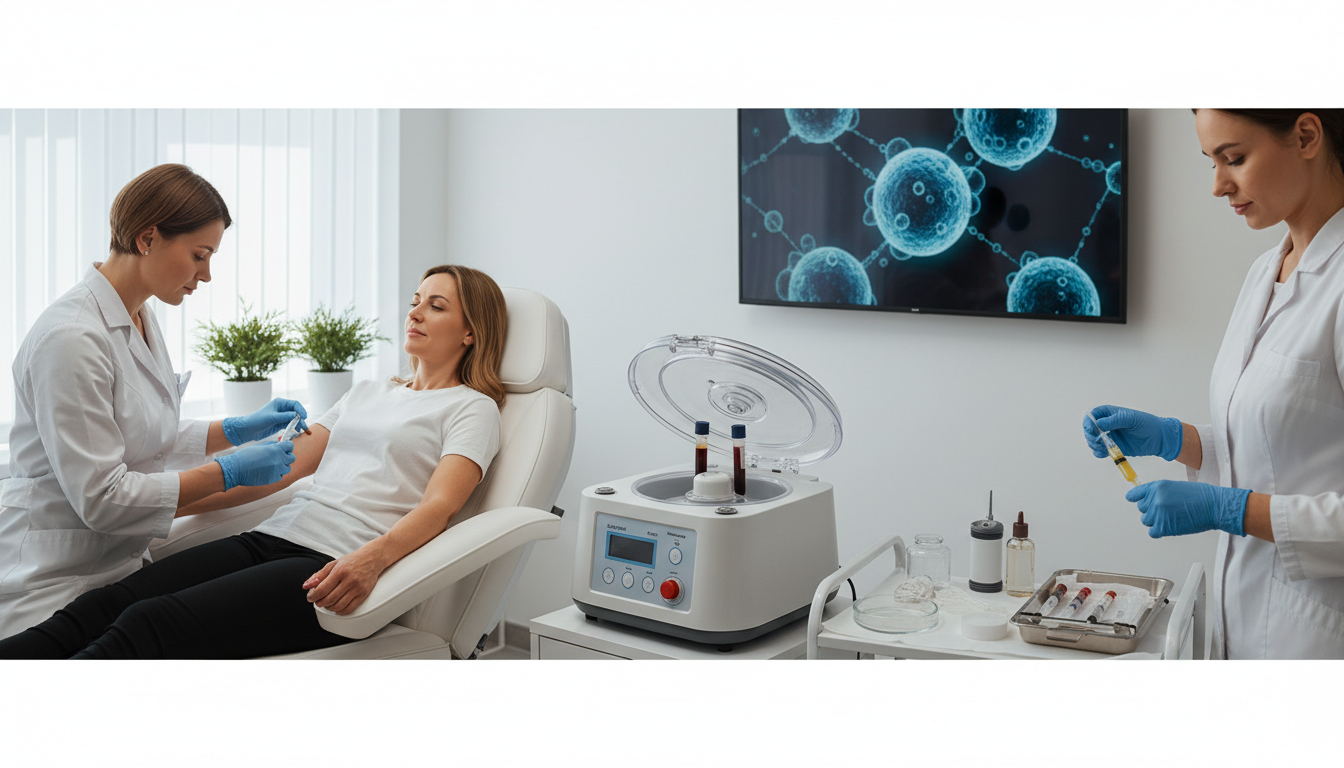
Blood Draw: Your provider draws 10-60ml of blood (about 1-4 tablespoons) from your arm, similar to routine lab work.
Processing: The blood spins in a centrifuge for 10-15 minutes, separating platelets from other blood components. This creates plasma with 3-5 times the normal concentration of platelets.
Preparation: For facial treatments, a numbing cream is typically applied. Hair restoration treatments may use local anesthetic injections for comfort.
Injection: Using fine needles, your provider injects the PRP into targeted areas. Facial treatments usually take 30-45 minutes, while scalp treatments may take 45-60 minutes.
What to Expect During Treatment
Most patients describe PRP injections as mildly uncomfortable but tolerable. The sensation is similar to light pinpricks. Any discomfort typically subsides within minutes of completion.
Some people experience mild swelling, redness, or tenderness at injection sites. These effects usually resolve within 24-48 hours.
Benefits of Choosing PRP Therapy
PRP offers several advantages over other aesthetic treatments:
Natural and Safe
Since PRP uses your own blood, there’s virtually no risk of allergic reactions or rejection. The treatment is biocompatible and natural.
Minimal Downtime
You can return to normal activities immediately after treatment. Some mild swelling or redness may occur, but this doesn’t typically interfere with daily life.
Long-lasting Results
While results aren’t permanent, they can last 12-18 months with proper maintenance. This compares favorably to treatments requiring frequent touch-ups.
Addresses Multiple Concerns
A single treatment can improve various skin issues simultaneously – fine lines, texture, tone, and minor scarring all benefit from PRP.
Who Makes a Good Candidate?
PRP works best for people with:
- Early to moderate signs of aging
- Mild to moderate hair thinning (not complete baldness)
- Realistic expectations about gradual improvement
- Good overall health and normal blood clotting
- Patience for natural healing processes
When PRP Might Not Be Right
Certain conditions may make you unsuitable for PRP therapy:
- Blood disorders or clotting problems
- Active infections in treatment areas
- Pregnancy or breastfeeding
- Certain medications that affect blood clotting
- Unrealistic expectations for dramatic, immediate changes
A thorough consultation with an experienced provider helps determine if PRP is right for your specific situation.
Combining PRP with Other Treatments
PRP often works synergistically with other aesthetic procedures:
Microneedling Plus PRP
This combination, sometimes called a “vampire facial,” uses microneedling to create tiny channels in the skin, allowing deeper PRP penetration. The dual approach can enhance results for skin rejuvenation.
Hair Transplant Enhancement
PRP treatments before and after hair transplant procedures can improve graft survival and accelerate healing.
Skincare Routine Integration
Medical-grade skincare products can maintain and extend PRP results. Your provider can recommend specific products that complement your treatment.
Maximizing Your PRP Results
Several factors influence how well PRP works for you:
Pre-treatment Preparation
- Stay well-hydrated for several days before treatment
- Avoid anti-inflammatory medications that might affect platelet function
- Don’t smoke, as it impairs healing
- Get adequate sleep to support your body’s natural repair processes
Post-treatment Care
- Avoid sun exposure for 24-48 hours
- Don’t use harsh skincare products immediately after facial PRP
- Stay hydrated and maintain a healthy diet
- Follow your provider’s specific aftercare instructions
Understanding Costs and Value
PRP therapy represents an investment in your appearance and confidence. While costs vary by location and provider, consider the long-term value:
- Results last longer than many alternatives
- Multiple concerns are addressed in one treatment
- Natural approach reduces risk of complications
- Maintenance treatments are less frequent than many other options
Quality matters significantly with PRP. The provider’s experience, equipment used, and processing techniques all affect results. Choosing an experienced medical professional ensures optimal outcomes and safety.
The Importance of Provider Selection
Not all PRP treatments are created equal. The skill and experience of your provider directly impact your results and safety.
What to Look for in a Provider
- Medical credentials: Board-certified physicians have extensive training in anatomy and injection techniques
- PRP experience: Ask how many PRP procedures they’ve performed
- Quality equipment: Professional-grade centrifuges and processing systems produce better PRP
- Personalized approach: Your provider should tailor treatment to your specific needs and goals
- Realistic expectations: Experienced providers will be honest about what PRP can and cannot achieve
Questions to Ask During Consultation
- How many PRP treatments have you performed?
- What PRP system do you use?
- Can I see before and after photos of your patients?
- What results should I realistically expect?
- How many treatments will I need?
- What are the potential risks and side effects?
Conclusion
PRP therapy offers a scientifically-backed, natural approach to skin rejuvenation and hair restoration that works with your body’s own healing mechanisms. The treatment’s growing popularity stems from its ability to deliver noticeable results without synthetic materials or extensive downtime.
Success with PRP depends heavily on proper technique, quality equipment, and realistic expectations. The gradual, natural-looking improvements make this treatment particularly appealing for those seeking subtle enhancement rather than dramatic transformation.
At Beyond Aesthetics, our board-certified physician brings over 25 years of medical expertise to every PRP treatment. We use state-of-the-art processing equipment and provide same-day consultations to help you determine if PRP therapy aligns with your aesthetic goals. Contact us today to schedule your consultation and discover how PRP can naturally rejuvenate your skin and restore your confidence.