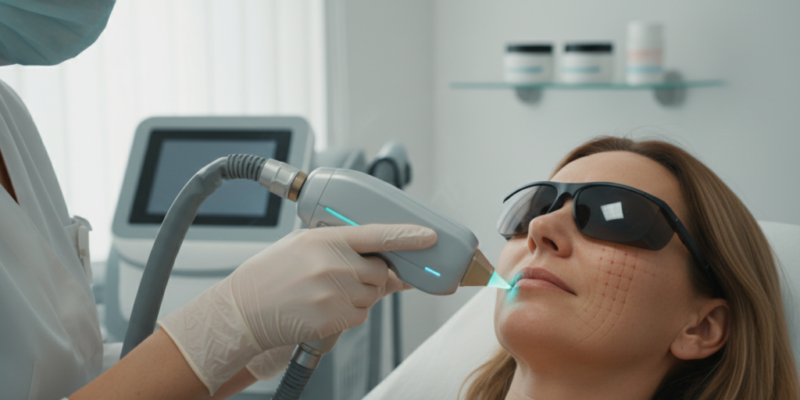
Laser skin resurfacing has revolutionized how we address stubborn skin concerns that once seemed permanent. Unlike topical treatments that only scratch the surface, this advanced technology penetrates deep to stimulate your body’s natural healing response, effectively erasing years of damage in just one treatment.
Understanding Laser Skin Resurfacing Technology
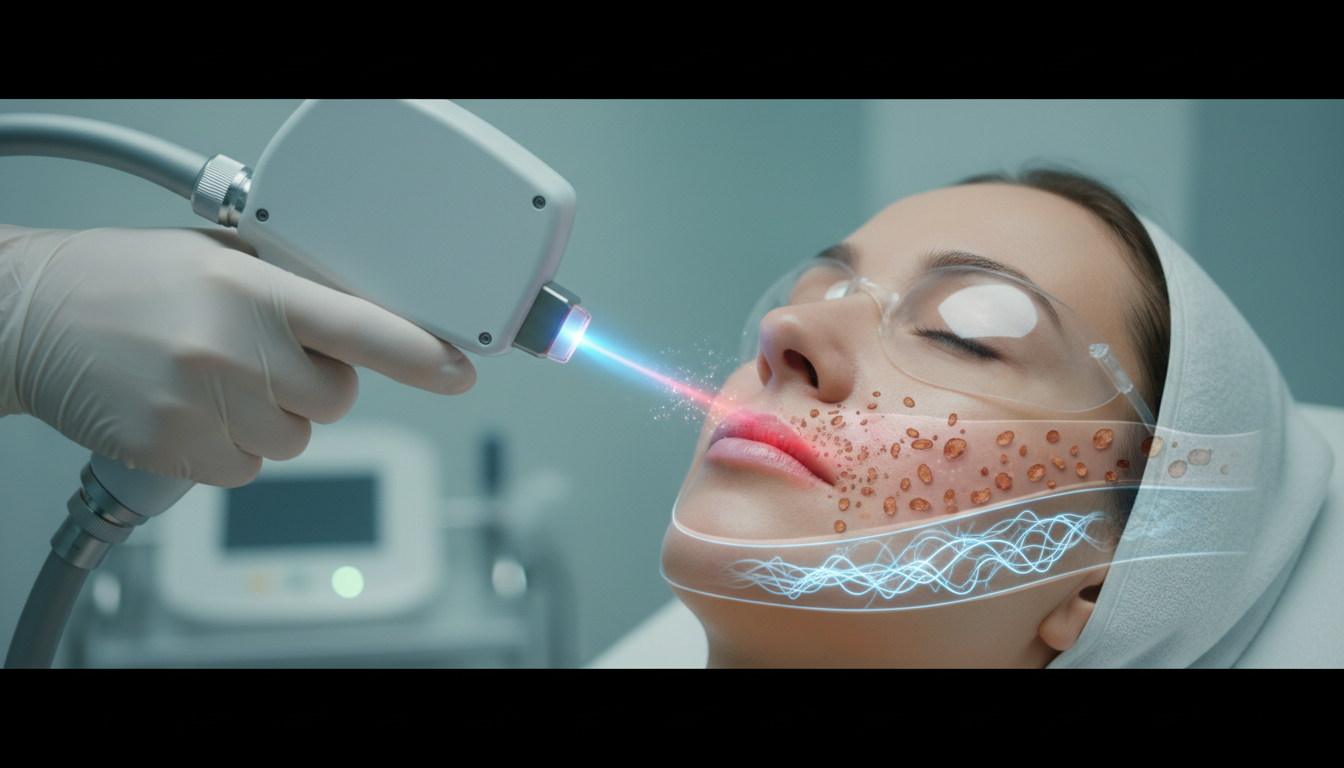
Laser skin resurfacing uses concentrated light beams to remove damaged skin layers with remarkable precision. The process triggers your body’s natural collagen production, which is the key to achieving smoother, younger-looking skin. There are two main types of laser resurfacing: ablative and non-ablative.
Ablative lasers remove the outer layer of skin entirely, making them ideal for deeper wrinkles, significant sun damage, and pronounced scars. Non-ablative lasers work beneath the skin’s surface without removing the top layer, resulting in less downtime but potentially requiring multiple sessions for optimal results.
How the Treatment Works
During the procedure, the laser creates controlled micro-injuries in your skin. This might sound concerning, but it’s actually the secret to the treatment’s effectiveness. Your body responds to these microscopic wounds by producing fresh collagen and elastin, the proteins responsible for firm, smooth skin.
The process also removes damaged skin cells that contribute to uneven texture and discoloration. As new skin emerges during healing, you’ll notice a dramatic improvement in skin tone, texture, and overall appearance.
Conditions Treated by Laser Skin Resurfacing
Wrinkles and Fine Lines
Laser resurfacing excels at treating both fine lines and deeper wrinkles. The treatment is particularly effective for:
- Crow’s feet around the eyes
- Forehead lines and furrows
- Smile lines around the mouth
- Vertical lip lines
- Neck wrinkles and bands
The key is that laser treatment doesn’t just temporarily plump these lines – it actually rebuilds the underlying structure that supports smooth skin.
Acne Scars and Other Scarring
Acne scars can be emotionally devastating, but laser resurfacing offers real hope. The treatment works exceptionally well on:
- Rolling scars (gentle wave-like depressions)
- Boxcar scars (broader depressions with defined edges)
- Some ice pick scars (though deeper ones may need combination treatments)
- Surgical scars
- Injury-related scars
Here’s what makes laser treatment so effective for scars: it breaks down scar tissue while simultaneously stimulating healthy tissue growth. This dual action creates a more even skin surface over time.
Sun Damage and Age Spots
Years of sun exposure leave their mark through various forms of pigmentation issues. Laser resurfacing addresses:
- Age spots and liver spots
- Melasma patches
- Overall skin discoloration
- Rough, sun-damaged texture
- Precancerous skin lesions (with proper medical supervision)
The laser targets melanin deposits responsible for dark spots while promoting the growth of evenly pigmented new skin.
Types of Laser Resurfacing Available
CO2 Laser Resurfacing
CO2 lasers are considered the gold standard for dramatic results. They’re ablative lasers that remove the entire epidermis and heat the underlying dermis. This stimulates significant collagen remodeling, making CO2 lasers ideal for:
- Deep wrinkles
- Severe sun damage
- Pronounced acne scarring
- Significant skin laxity
The downtime is longer – typically 1-2 weeks – but the results are often dramatic and long-lasting.
Erbium Laser Resurfacing
Erbium lasers offer a gentler alternative with less downtime. They’re precise and cause minimal thermal damage to surrounding tissue. These lasers work well for:
- Fine to moderate wrinkles
- Surface-level sun damage
- Mild to moderate scarring
- Patients who can’t afford extensive downtime
Recovery typically takes 5-7 days, making erbium lasers popular among working professionals.
Fractional Laser Technology
Fractional lasers treat only a fraction of your skin at a time, leaving healthy skin between treated areas. This approach speeds healing while still delivering excellent results. Fractional treatments can be either ablative or non-ablative.
The main advantage? You get significant improvement with reduced downtime and risk compared to full-coverage laser treatments.

What to Expect During Treatment
Pre-Treatment Preparation
Proper preparation is essential for optimal results and safety. Your provider will likely recommend:
- Avoiding sun exposure for several weeks before treatment
- Discontinuing certain medications that increase bleeding risk
- Starting a pre-treatment skincare regimen
- Arranging time off work for recovery
Some patients benefit from pre-treatment with tretinoin or hydroquinone to optimize skin condition and reduce complication risks.
The Treatment Process
On treatment day, you’ll receive appropriate anesthesia – this might be topical numbing cream for lighter treatments or local anesthesia with sedation for more aggressive procedures. The actual laser treatment typically takes 30 minutes to 2 hours, depending on the area being treated.
Most patients describe the sensation as similar to a rubber band snapping against the skin, though deeper treatments may cause more discomfort. Many modern laser systems include cooling mechanisms to minimize pain during the procedure.
Recovery and Healing
The first few days after treatment are the most critical for proper healing. You can expect:
- Redness and swelling (similar to a moderate sunburn)
- Possible oozing or crusting
- Tight, dry sensations
- Peeling as new skin emerges
Following post-care instructions precisely is crucial. This typically includes keeping the skin moist with prescribed ointments, avoiding sun exposure, and resisting the urge to pick at peeling skin.
Results and Timeline
Here’s what realistic expectations look like: initial results become visible as swelling subsides, usually within the first week. However, the most dramatic improvements occur over the following 3-6 months as collagen remodeling continues.
Most patients see:
- Immediate improvement in skin texture
- Gradual reduction in fine lines and wrinkles
- Progressive improvement in scarring
- More even skin tone and reduced pigmentation
- Overall younger, healthier-looking skin
The results can last several years, though natural aging continues. Many patients maintain their results with annual touch-up treatments or complementary procedures.
Choosing the Right Provider in Harlingen
The success of your laser resurfacing treatment depends heavily on your provider’s expertise. When selecting a practitioner, consider:
Medical Credentials and Experience
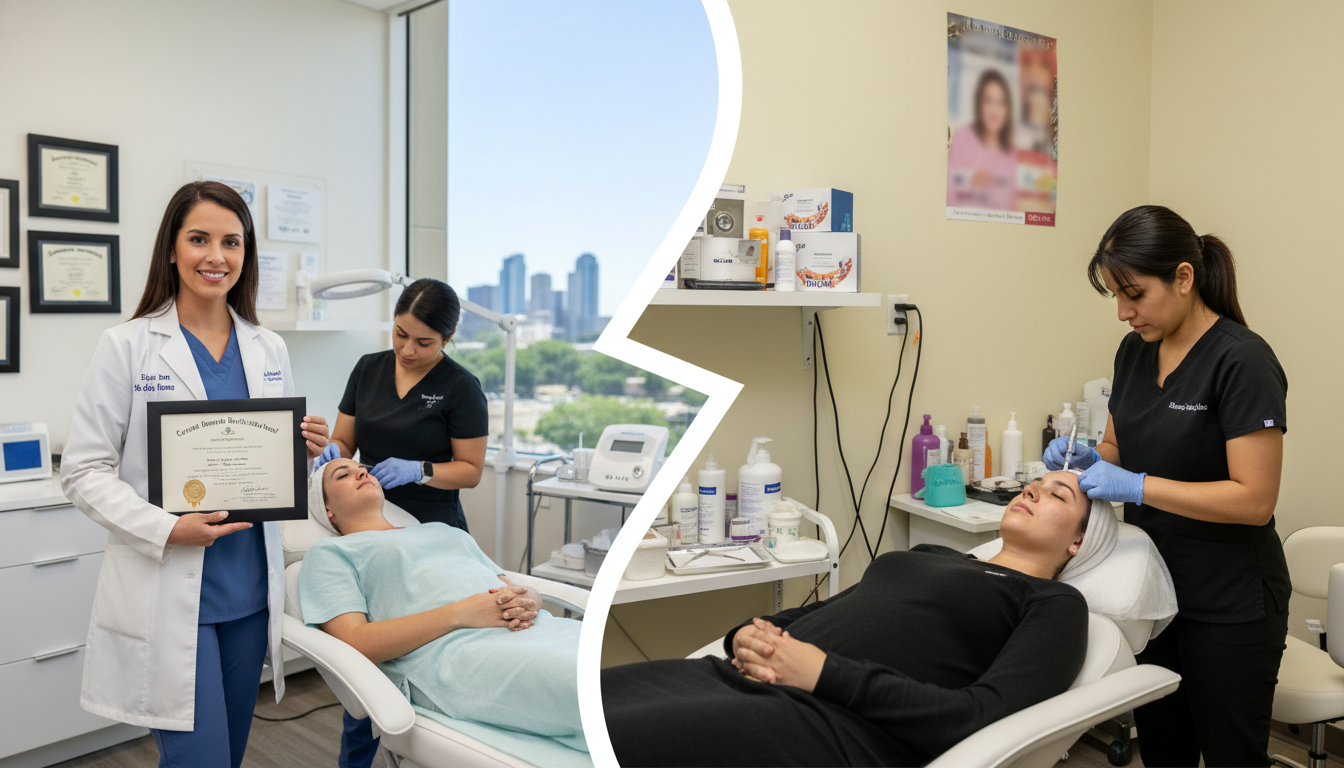
Look for a board-certified physician with specific training in laser treatments. Dermatologists and plastic surgeons typically have the most extensive background in laser skin resurfacing. Experience matters – ask how many laser resurfacing procedures your provider has performed.
Technology and Equipment
Advanced laser systems produce better results with fewer complications. Your provider should use FDA-approved lasers and maintain their equipment properly. Don’t hesitate to ask about the specific type of laser they recommend for your concerns.
Facility Standards
The treatment should be performed in a medical setting with proper safety protocols. Look for facilities that maintain high cleanliness standards and have emergency procedures in place.

Cost Considerations and Value
Laser skin resurfacing represents a significant investment in your appearance and confidence. Costs in the Harlingen area typically range from $1,000 to $5,000 depending on the type of laser used and the extent of treatment needed.
While this might seem expensive upfront, consider the long-term value. Unlike temporary treatments that require frequent maintenance, laser resurfacing provides lasting results that can eliminate the need for other skincare treatments and products.
Many providers offer financing options to make treatment more accessible. When comparing costs, remember that the cheapest option isn’t always the best value – prioritize quality and safety over price alone.
Potential Risks and How to Minimize Them
Like any medical procedure, laser resurfacing carries some risks. However, serious complications are rare when the treatment is performed by experienced professionals. Potential risks include:
- Infection
- Scarring
- Pigmentation changes
- Prolonged redness
- Cold sore activation
You can minimize these risks by:
- Choosing an experienced provider
- Following pre- and post-treatment instructions exactly
- Being honest about your medical history
- Protecting your skin from sun exposure
- Attending all follow-up appointments
Alternative and Complementary Treatments
While laser resurfacing is highly effective, it’s not the only option for skin rejuvenation. Some patients benefit from combining laser treatments with other procedures or may prefer different approaches entirely.
Chemical peels can address similar concerns with different recovery profiles. Microneedling stimulates collagen production through a different mechanism. Injectable treatments like Botox and dermal fillers can complement laser results for total facial rejuvenation.
The best approach depends on your specific concerns, skin type, lifestyle, and goals. A thorough consultation can help determine the optimal treatment plan for your unique situation.
Ready to discover how laser skin resurfacing can transform your skin? Beyond Aesthetics offers advanced laser treatments under the supervision of a board-certified physician with over 25 years of experience. Our medical spa provides same-day consultations with flexible scheduling to accommodate your busy lifestyle. Contact us today to learn more about how we can help you achieve the smooth, youthful skin you deserve.