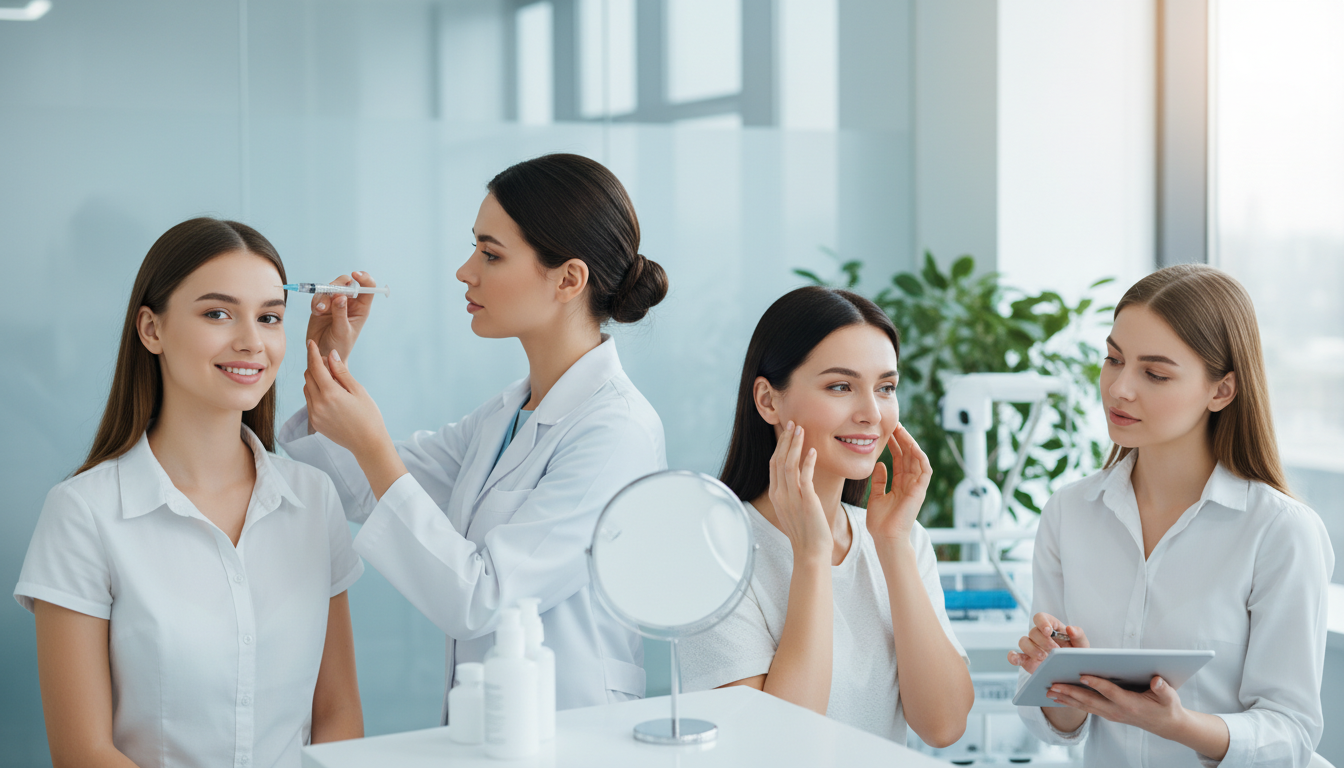
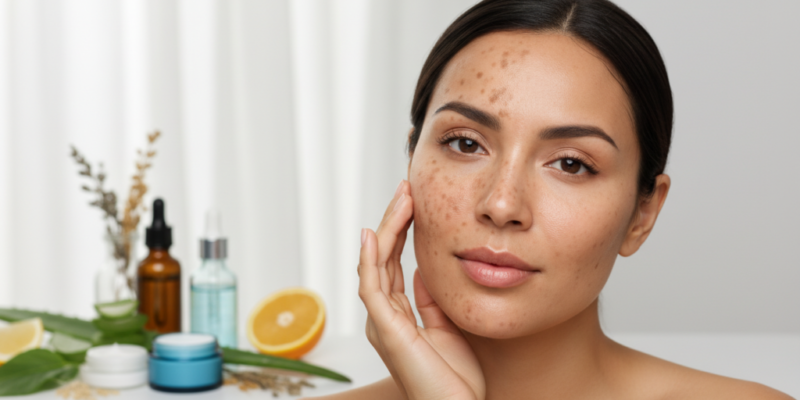
Nearly 90% of women will experience some form of hyperpigmentation during their lifetime, yet most struggle to find treatments that actually deliver lasting results. Dark spots and melasma don’t just appear overnight—they’re complex skin conditions that require targeted, professional intervention to fade effectively.
Understanding Hyperpigmentation: More Than Just Dark Spots
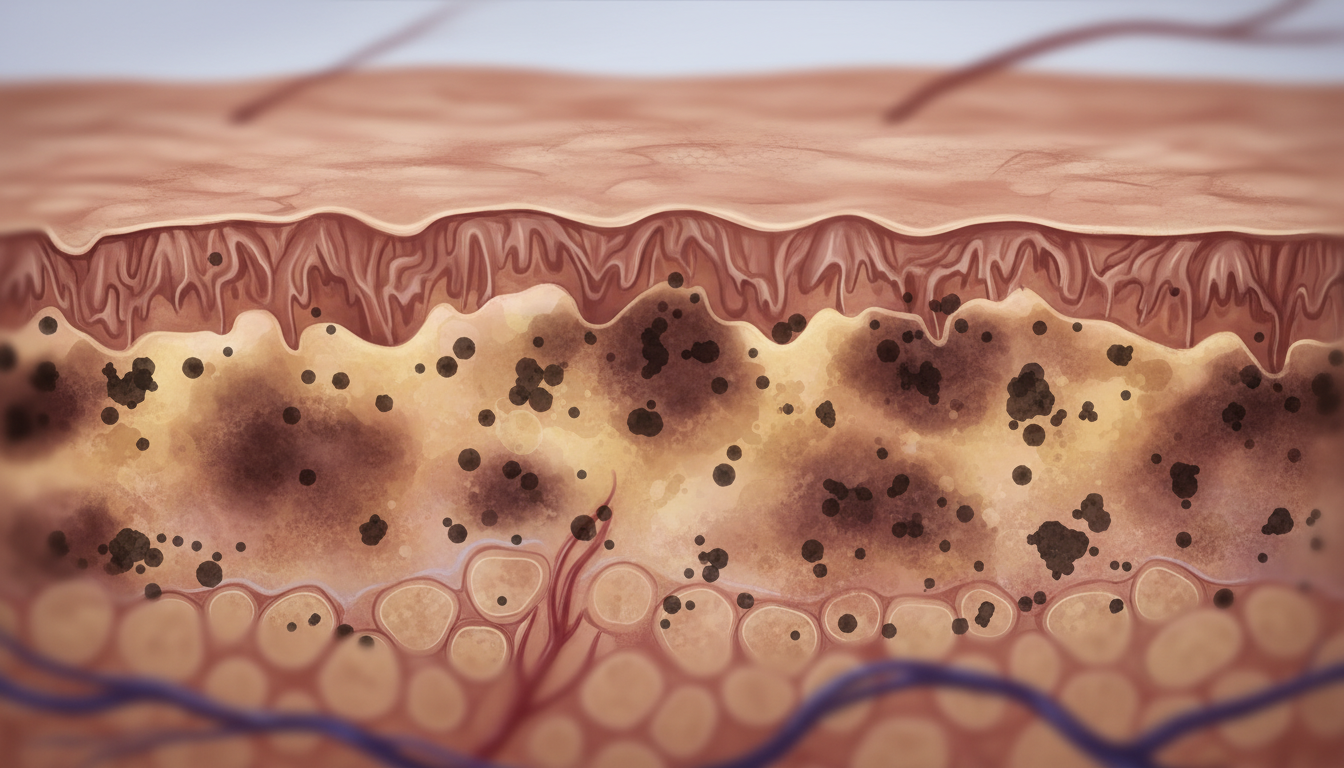
Hyperpigmentation occurs when your skin produces excess melanin, creating patches or spots that appear darker than your surrounding skin tone. While often grouped together, different types of hyperpigmentation require distinct treatment approaches.
The most common forms include:
- Post-inflammatory hyperpigmentation (PIH): Dark marks left behind after acne, cuts, or other skin injuries
- Solar lentigines: Age spots or sun spots caused by UV exposure
- Melasma: Symmetrical patches typically triggered by hormonal changes
- Drug-induced hyperpigmentation: Darkening caused by certain medications
Each type responds differently to treatment, which is why a one-size-fits-all approach rarely works effectively.
The Science Behind Melasma: Why It’s So Stubborn
Melasma deserves special attention because it’s notoriously difficult to treat. Often called “the mask of pregnancy,” melasma affects up to 50% of pregnant women, though it can develop in anyone.
Here’s what makes melasma particularly challenging:
Hormonal Triggers
Estrogen and progesterone fluctuations activate melanocytes (pigment-producing cells), leading to increased melanin production. This is why melasma often worsens during pregnancy, with birth control use, or during hormone replacement therapy.
Deep Dermal Involvement
Unlike surface-level dark spots, melasma often extends into the deeper layers of your skin. Surface treatments alone won’t reach these deeper deposits of excess pigment.
Heat and UV Sensitivity
Even minimal sun exposure can trigger melasma flare-ups. Heat from sources like hot yoga, saunas, or even cooking over a hot stove can also stimulate melanin production.
Professional Treatment Options That Actually Work
The reality is that over-the-counter products rarely provide the strength needed to address stubborn hyperpigmentation. Here’s what medical-grade treatments can accomplish:
Chemical Peels
Medical-grade peels use higher concentrations of active ingredients than what you’ll find in at-home products.
Glycolic acid peels work by removing damaged surface cells while stimulating cellular turnover. For hyperpigmentation, a series of 4-6 peels typically provides optimal results.
TCA (Trichloroacetic acid) peels penetrate deeper layers of skin, making them effective for more stubborn pigmentation. These require careful medical supervision due to their strength.
Jessner’s peels combine multiple acids (salicylic, lactic, and resorcinol) to address both pigmentation and texture concerns simultaneously.
Laser and Light-Based Treatments
Advanced laser technology can target pigment deposits with precision.
IPL (Intense Pulsed Light) delivers broad-spectrum light that targets melanin while stimulating collagen production. Most patients need 3-5 sessions for optimal results.
Q-switched lasers use specific wavelengths to break apart pigment particles, allowing your body to naturally eliminate them. These work particularly well for sun spots and age spots.
Fractional lasers create controlled micro-injuries in the skin, promoting rapid healing and new cell formation while reducing pigmentation.
Prescription-Strength Topical Treatments
Medical-grade topical treatments often combine multiple active ingredients for maximum effectiveness.
Hydroquinone remains the gold standard for pigmentation treatment. Prescription formulations (typically 4% concentration) are significantly more effective than over-the-counter versions.
Tretinoin accelerates cell turnover while improving the penetration of other active ingredients. It’s often combined with hydroquinone and a mild corticosteroid in formulations like tri-luma.
Kojic acid, azelaic acid, and arbutin serve as alternatives or additions to hydroquinone, particularly for patients who experience sensitivity.
The Treatment Timeline: What to Expect
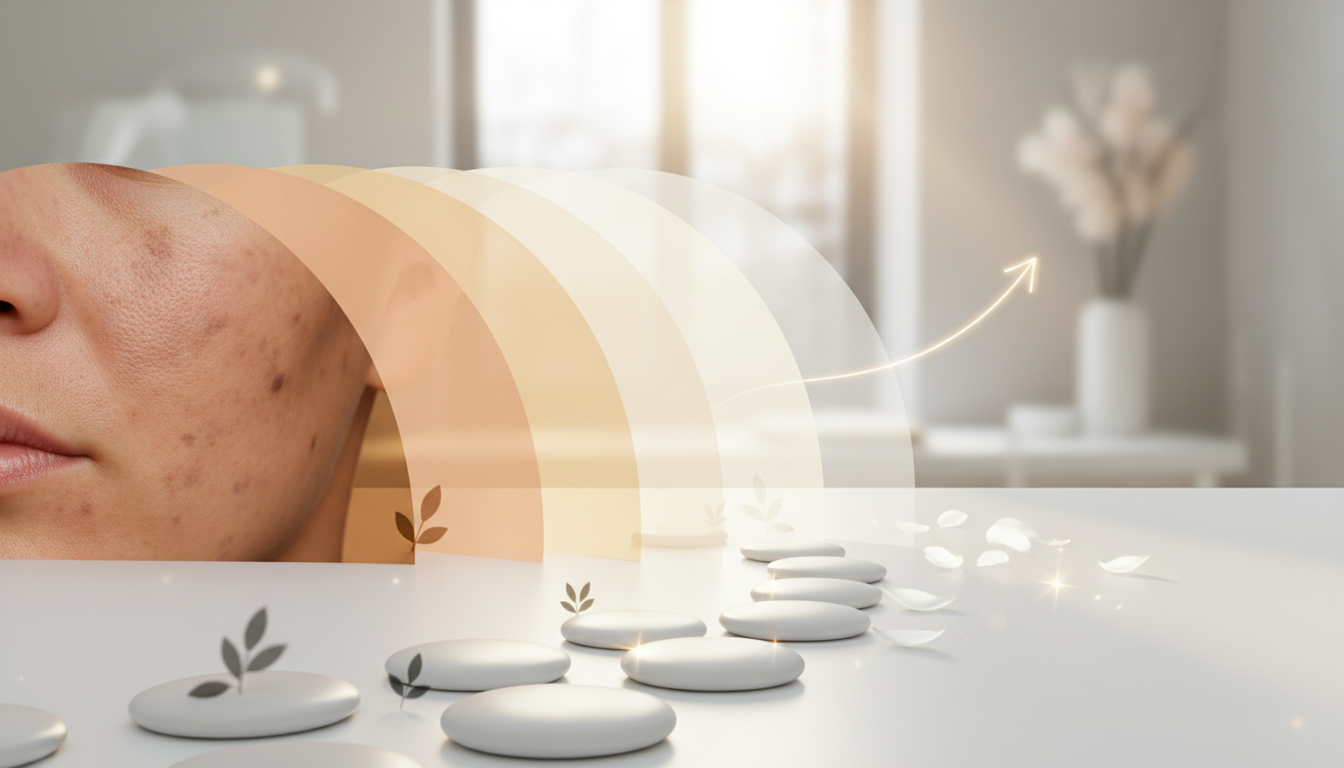
Managing expectations is crucial for successful hyperpigmentation treatment. Here’s what most patients can expect:
Weeks 1-4: Initial Response
You might notice some initial improvements, but don’t be discouraged if changes seem minimal. Your skin is beginning the process of cellular renewal.
Weeks 4-12: Visible Improvement
This is when most patients start seeing noticeable fading of their dark spots. Surface-level pigmentation typically responds first.
Months 3-6: Significant Results
Deeper pigmentation continues to fade during this period. Melasma, in particular, may take the full six months to show substantial improvement.
Beyond 6 Months: Maintenance Phase
Once you’ve achieved your desired results, maintenance treatments help prevent recurrence. This might include quarterly peels or consistent use of prescription topicals.
The Critical Role of Sun Protection
Here’s the thing—no hyperpigmentation treatment will succeed without proper sun protection. Even minimal UV exposure can undo months of progress.
Effective sun protection requires:
- Broad-spectrum SPF 30 or higher applied daily, regardless of weather
- Reapplication every two hours when outdoors
- Physical barriers like wide-brimmed hats and UV-protective clothing
- Seeking shade during peak UV hours (10 AM to 4 PM)
For melasma patients, zinc oxide or titanium dioxide-based sunscreens often work better than chemical sunscreens, as they provide more complete UV blockage.
Common Treatment Mistakes to Avoid
Most people make these critical errors that sabotage their results:
Switching Products Too Quickly
Pigmentation treatment requires patience. Switching products every few weeks prevents you from seeing what actually works.
Over-Treating the Skin
More isn’t always better. Over-treating can lead to irritation and post-inflammatory hyperpigmentation—creating more dark spots than you started with.
Inconsistent Application
Skipping treatments or sunscreen applications, even occasionally, can significantly slow your progress or cause pigmentation to return.
Ignoring Professional Guidance
Hyperpigmentation treatment isn’t one-size-fits-all. What works for your friend’s melasma might not work for your sun spots.
Combination Therapy: The Most Effective Approach
The most successful hyperpigmentation treatments typically combine multiple modalities. A typical treatment plan might include:
Phase 1: Preparation with prescription topicals to prime the skin and begin pigment reduction
Phase 2: Professional treatments like chemical peels or laser therapy to accelerate results
Phase 3: Maintenance with ongoing topical treatments and periodic professional touch-ups
This multi-step approach addresses pigmentation at different levels and through different mechanisms, leading to more complete and lasting results.
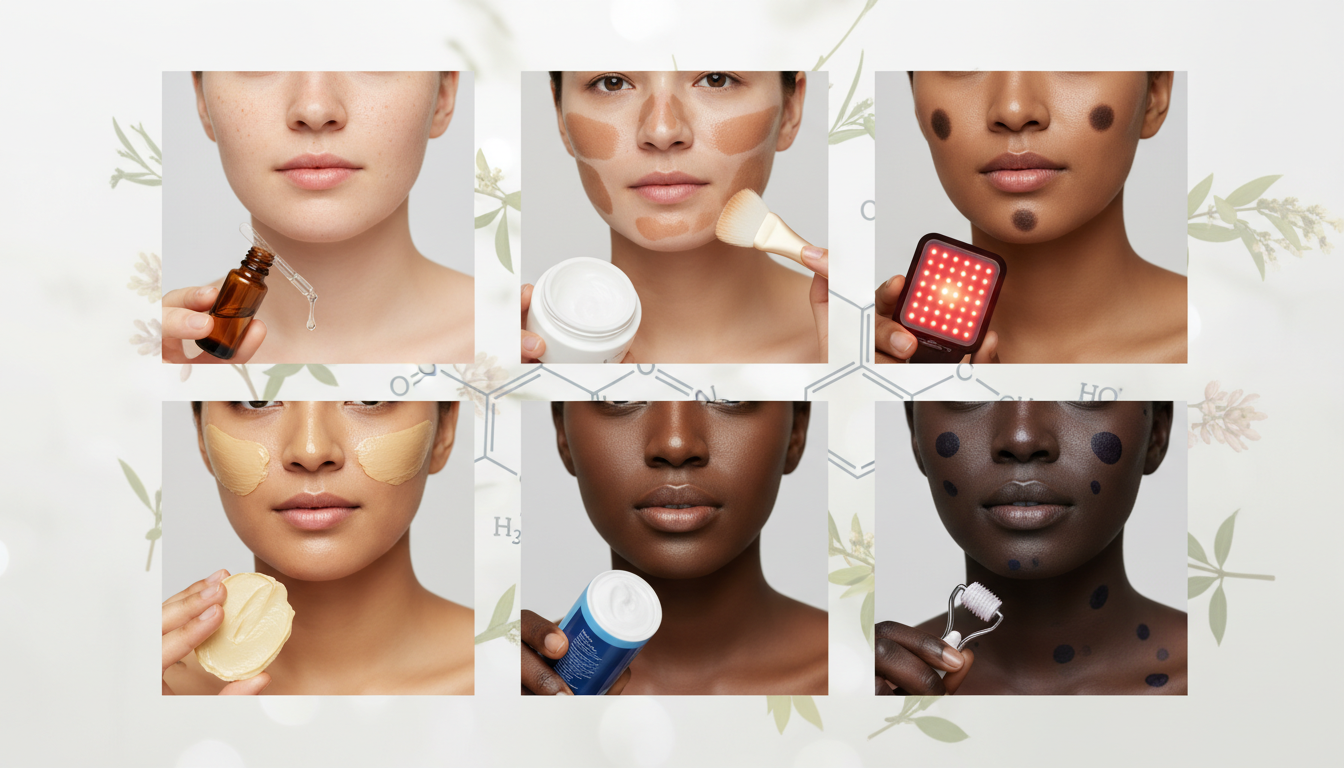
Special Considerations for Different Skin Types
Your skin type significantly impacts both treatment selection and expected outcomes.
Fair Skin
Generally responds well to most treatments but may experience more irritation from aggressive approaches. Gradual treatment progression often works best.
Medium Skin Tones
Often achieve excellent results with combination therapy. May require longer treatment periods but typically see substantial improvement.
Darker Skin
Requires careful treatment selection to avoid post-inflammatory hyperpigmentation. Lower-intensity treatments over longer periods often prove most effective.
When to Seek Professional Treatment
While some mild hyperpigmentation might respond to over-the-counter products, you should consider professional treatment if:
- Dark spots haven’t improved after 3-4 months of consistent home care
- Pigmentation is widespread or deeply ingrained
- You suspect melasma (particularly if related to pregnancy or hormones)
- Previous treatments have failed or caused irritation
- You want faster, more dramatic results
Maintaining Your Results Long-Term
Successfully treating hyperpigmentation is only half the battle—maintaining those results requires ongoing commitment.
Long-term success strategies include:
- Daily sunscreen use, even on cloudy days
- Consistent use of maintenance products as prescribed
- Regular follow-up treatments as recommended
- Prompt treatment of any new acne or skin injuries to prevent PIH
- Hormone management when melasma is hormonally triggered
Think of hyperpigmentation management as a long-term skin health strategy rather than a quick fix.
The Bottom Line: Professional Expertise Makes the Difference
Hyperpigmentation treatment isn’t just about choosing the right products—it’s about understanding your specific type of pigmentation, your skin’s unique characteristics, and the most effective treatment sequence for your individual needs.
The difference between successful treatment and frustrating results often comes down to professional expertise and medical-grade treatment options. Board-certified physicians who specialize in aesthetic medicine can assess your specific situation, rule out underlying conditions, and create a customized treatment plan that delivers real results.
If you’re ready to finally address stubborn dark spots or melasma effectively, consider scheduling a consultation with an experienced medical aesthetics practice. At Beyond Aesthetics, our board-certified physician brings over 25 years of experience to every treatment plan, with same-day consultations available to get you started on your journey to clearer, more even-toned skin.