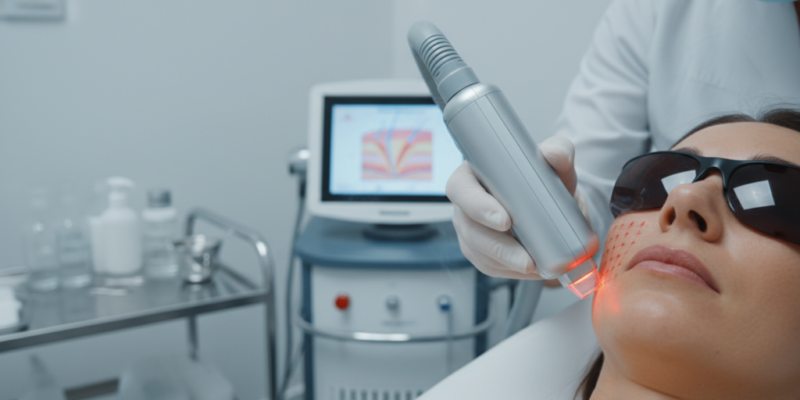
The global laser resurfacing market is projected to reach $2.9 billion by 2028, driven primarily by advances in CO2 and fractional laser technologies. These sophisticated devices don’t just improve skin texture—they literally reverse the cellular damage that creates visible aging signs. Here’s how modern laser resurfacing delivers transformative results that topical treatments simply can’t match.
Understanding Laser Skin Resurfacing Technology
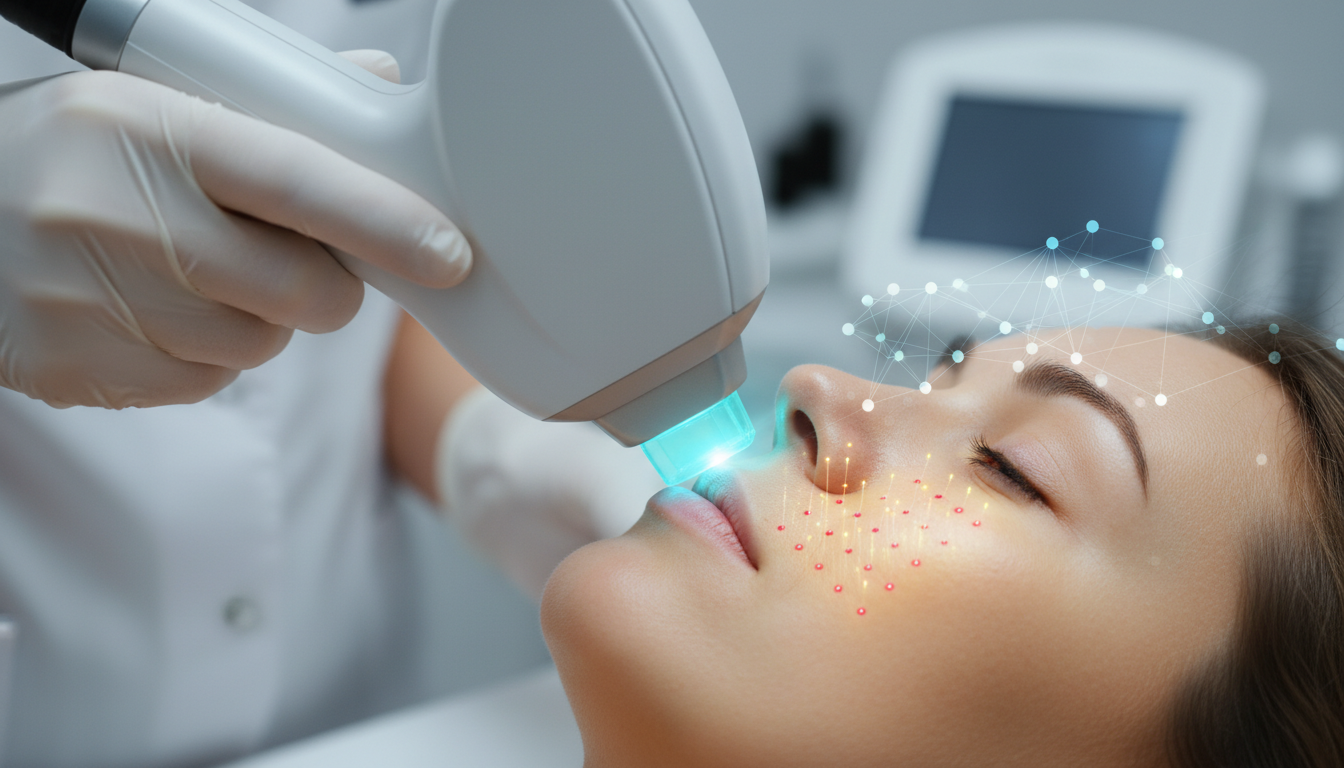
Laser skin resurfacing works by delivering concentrated light energy to targeted areas of your skin, creating controlled micro-injuries that trigger your body’s natural healing response. This process stimulates collagen production while removing damaged skin cells, resulting in smoother, younger-looking skin.
The two primary types of laser resurfacing—CO2 and fractional lasers—each offer distinct advantages depending on your specific skin concerns and desired outcomes.
How Laser Energy Transforms Skin
When laser energy penetrates your skin, it creates heat that:
- Vaporizes damaged surface cells
- Stimulates fibroblast activity for increased collagen production
- Tightens existing collagen fibers
- Improves blood circulation to treated areas
- Promotes cellular turnover for fresher skin
This controlled damage-and-repair cycle is what makes laser resurfacing so effective at addressing multiple aging concerns simultaneously.
CO2 Laser Resurfacing: The Gold Standard
CO2 lasers represent the most aggressive form of laser resurfacing, delivering dramatic results for patients with significant sun damage, deep wrinkles, and pronounced skin laxity.
What CO2 Lasers Treat
CO2 laser technology excels at addressing:
- Deep facial wrinkles and lines
- Severe sun damage and age spots
- Acne scars and surgical scars
- Skin laxity and sagging
- Uneven skin texture and tone
- Precancerous skin lesions
The CO2 Treatment Process
During a CO2 laser treatment, your provider will:
- Apply topical or local anesthesia for comfort
- Cleanse and prepare the treatment area
- Deliver precise laser energy in a controlled pattern
- Apply protective dressings to treated skin
- Provide detailed aftercare instructions
The entire procedure typically takes 30-90 minutes, depending on the treatment area size.
CO2 Recovery and Results
CO2 laser resurfacing requires the most downtime of any laser treatment, but the results justify the recovery period. Here’s what to expect:
Week 1: Treated skin will appear red and swollen, similar to a severe sunburn. Peeling and crusting are normal as your skin begins healing.
Weeks 2-3: New skin emerges as peeling subsides. Redness gradually fades, though some pinkness may persist.
Months 1-6: Continued improvement as collagen production increases. Final results become apparent around six months post-treatment.
Most patients see 40-60% improvement in wrinkles, sun damage, and skin texture after a single CO2 treatment.
Fractional Laser Technology: Precision Meets Versatility
Fractional lasers create microscopic treatment zones while leaving surrounding tissue intact, resulting in faster healing and less downtime than traditional ablative treatments.
Types of Fractional Lasers
Ablative Fractional Lasers: Remove microscopic columns of skin tissue while leaving healthy skin between treatment zones. Examples include fractionated CO2 and Erbium lasers.
Non-Ablative Fractional Lasers: Heat deeper skin layers without removing surface tissue, stimulating collagen production with minimal downtime.
Fractional Laser Benefits
The fractional approach offers several advantages:
- Reduced recovery time compared to full-field treatments
- Lower risk of complications and side effects
- Suitable for all skin types when properly selected
- Can treat delicate areas like the neck and chest
- Allows for multiple treatment sessions if needed
What Fractional Lasers Address
Fractional laser treatments effectively improve:
- Fine lines and early wrinkles
- Mild to moderate sun damage
- Melasma and hyperpigmentation
- Enlarged pores
- Mild skin laxity
- Superficial acne scars
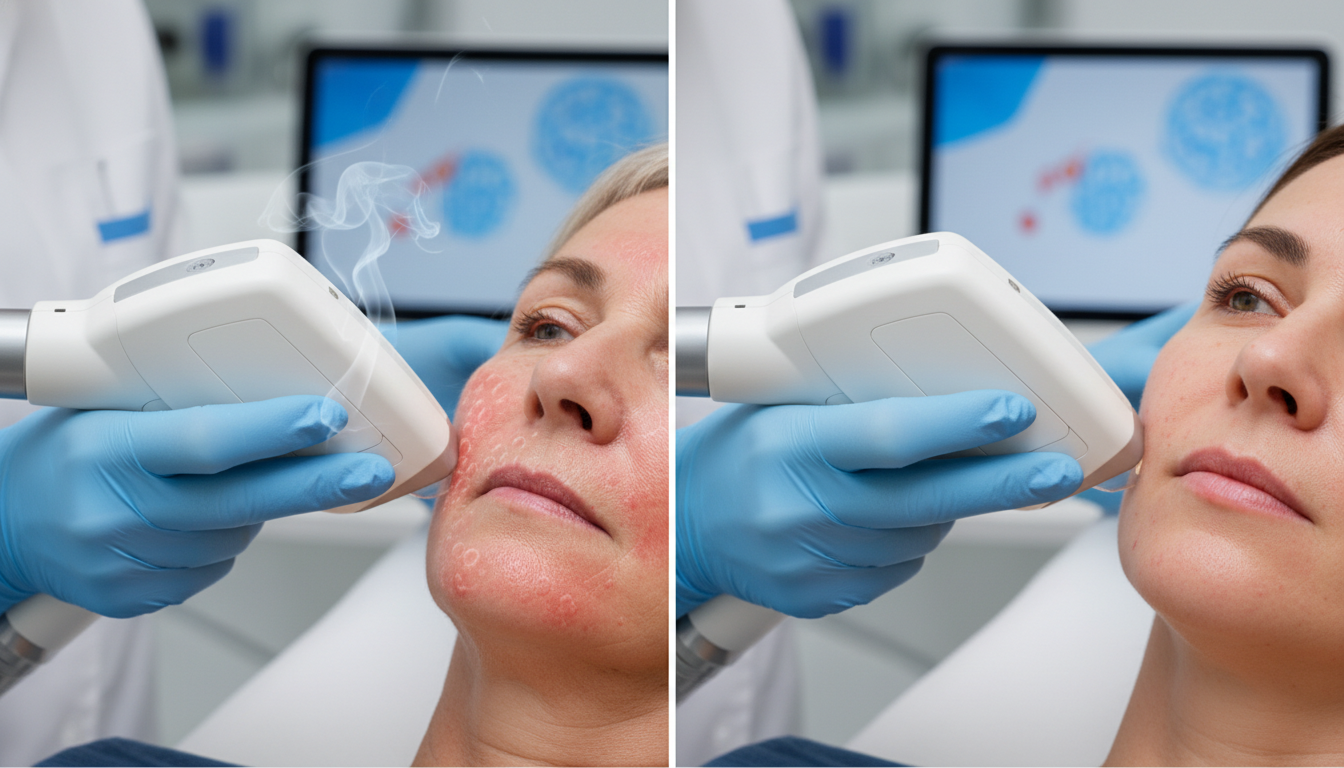
Choosing Between CO2 and Fractional Treatments
The right laser treatment depends on several factors that your provider will evaluate during consultation.
Skin Condition Severity
Choose CO2 for:
- Deep wrinkles and severe sun damage
- Significant skin laxity
- Deep acne or surgical scars
- Patients seeking maximum results from single treatment
Choose Fractional for:
- Mild to moderate aging signs
- Patients preferring gradual improvement
- Those with limited downtime availability
- Maintenance after previous laser treatments
Lifestyle Considerations
Your daily routine and commitments play a crucial role in treatment selection. CO2 lasers require 1-2 weeks of social downtime, while fractional treatments may only need 2-5 days of recovery.
Consider your work schedule, social obligations, and ability to follow strict post-treatment care when making your decision.
What to Expect During Treatment
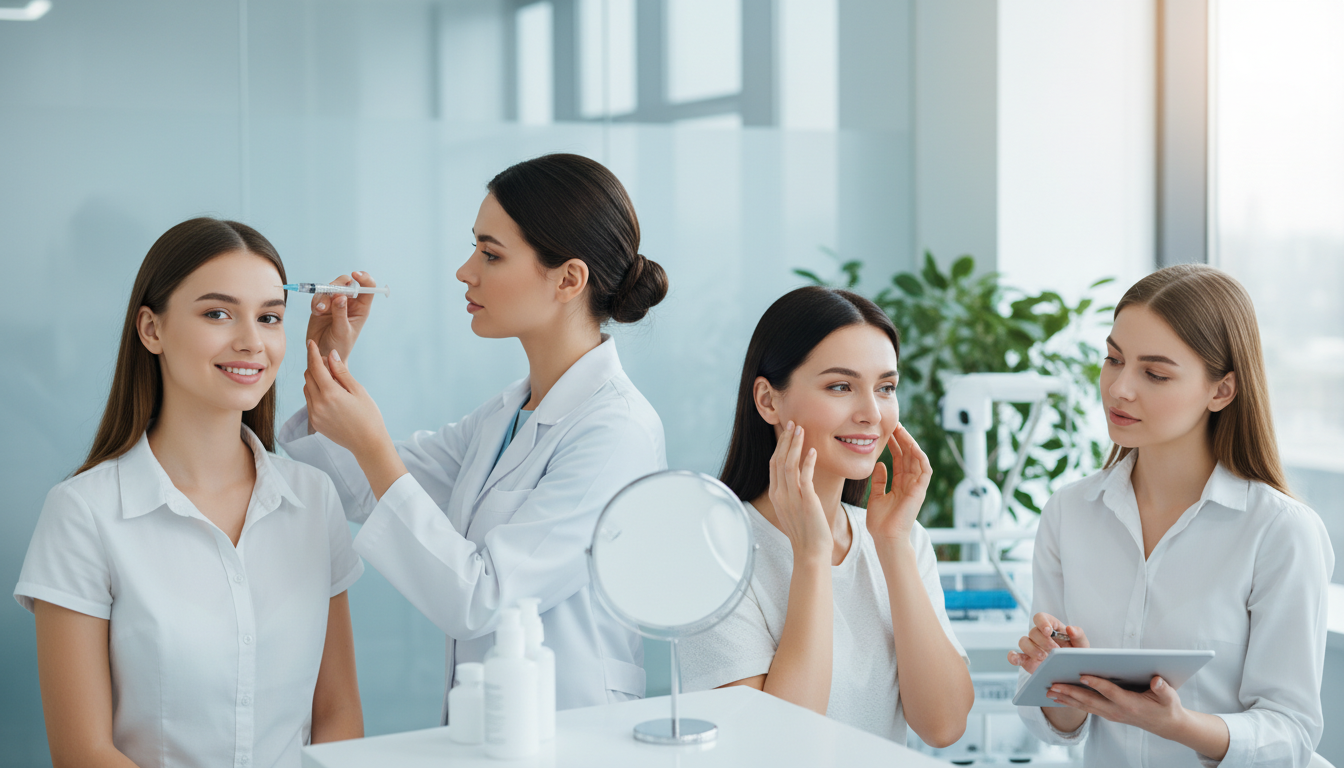
Most patients report laser resurfacing feels like small rubber band snaps against the skin. Here’s what happens during your appointment:
Pre-Treatment Preparation
Your provider will:
- Review your medical history and current medications
- Photograph treatment areas for comparison
- Apply topical anesthetic 30-60 minutes before treatment
- Provide protective eyewear
- Mark treatment areas if necessary
During the Procedure
The treatment itself involves:
- Precise laser energy delivery in overlapping passes
- Continuous cooling to minimize discomfort
- Regular comfort checks throughout the session
- Immediate application of healing ointments
Most patients tolerate laser treatments well with appropriate pain management protocols.
Maximizing Your Results
Proper preparation and aftercare significantly impact your final outcomes.
Pre-Treatment Guidelines
For optimal results, follow these pre-treatment recommendations:
- Avoid sun exposure for 4-6 weeks before treatment
- Discontinue retinoids and exfoliating products one week prior
- Stay well-hydrated in the days leading up to treatment
- Arrange for someone to drive you home
- Stock up on recommended aftercare products
Post-Treatment Care
Following your provider’s aftercare instructions is essential for healing and results:
- Keep treated areas moist with prescribed ointments
- Avoid sun exposure and wear broad-spectrum SPF 30+
- Sleep with your head elevated to reduce swelling
- Don’t pick at peeling or crusting skin
- Attend all follow-up appointments
Long-Term Skin Care
Maintaining your laser resurfacing results requires ongoing skin care:
- Daily sunscreen application
- Regular use of medical-grade skincare products
- Annual maintenance treatments as recommended
- Professional skin evaluations every 6-12 months

Safety Considerations and Candidacy
While laser resurfacing is generally safe when performed by qualified providers, certain factors affect your candidacy for treatment.
Ideal Candidates
You may be a good candidate for laser resurfacing if you:
- Have realistic expectations about results
- Are in good overall health
- Don’t have active skin infections or conditions
- Can commit to proper aftercare
- Aren’t pregnant or breastfeeding
Potential Risks
While complications are rare with proper technique, potential risks include:
- Temporary or permanent pigment changes
- Scarring (extremely rare with experienced providers)
- Prolonged redness
- Infection
- Delayed healing
Choosing a board-certified provider with extensive laser experience minimizes these risks significantly.
The Science Behind Lasting Results
Understanding why laser resurfacing produces long-lasting improvements helps explain its popularity among patients seeking significant anti-aging results.
Collagen Remodeling Process
Laser treatments trigger a complex healing cascade that continues for months after your procedure:
- Immediate response: Heat coagulates existing collagen fibers, creating immediate tightening
- Days 1-14: Inflammatory response clears damaged tissue and initiates repair
- Weeks 2-12: New collagen production peaks as fibroblasts respond to treatment
- Months 3-12: Collagen matures and organizes, creating lasting improvement
Why Results Last
Unlike temporary fixes, laser resurfacing creates structural changes in your skin that can last 5-10 years or more with proper maintenance. The newly formed collagen provides ongoing support, while improved cellular function continues benefiting skin appearance.
Regular maintenance treatments every 2-3 years can extend and enhance these results indefinitely.
Conclusion
Laser skin resurfacing with CO2 and fractional technologies offers proven solutions for reversing visible aging signs. Whether you choose the dramatic results of CO2 treatment or the gentler approach of fractional lasers, both options can deliver significant improvements in skin texture, tone, and overall appearance.
The key to successful laser resurfacing lies in selecting the right treatment for your specific needs and working with an experienced provider who understands the nuances of laser technology. At Beyond Aesthetics, our board-certified physician brings over 25 years of experience to every laser treatment, ensuring you receive the safest, most effective care possible. Ready to explore how laser resurfacing can help you achieve your skin goals? Contact us today to schedule your same-day consultation and discover which laser treatment is right for you.