

Hormone levels shape nearly every aspect of how a woman feels — her energy, mood, sleep quality, and even the condition of her skin. Yet for millions of women navigating perimenopause, menopause, or hormonal imbalance, the changes that come with shifting hormone levels are often dismissed as “just part of aging.” Hormone Replacement Therapy (HRT) challenges that assumption entirely, offering a clinically supported path to restoring balance, vitality, and quality of life.
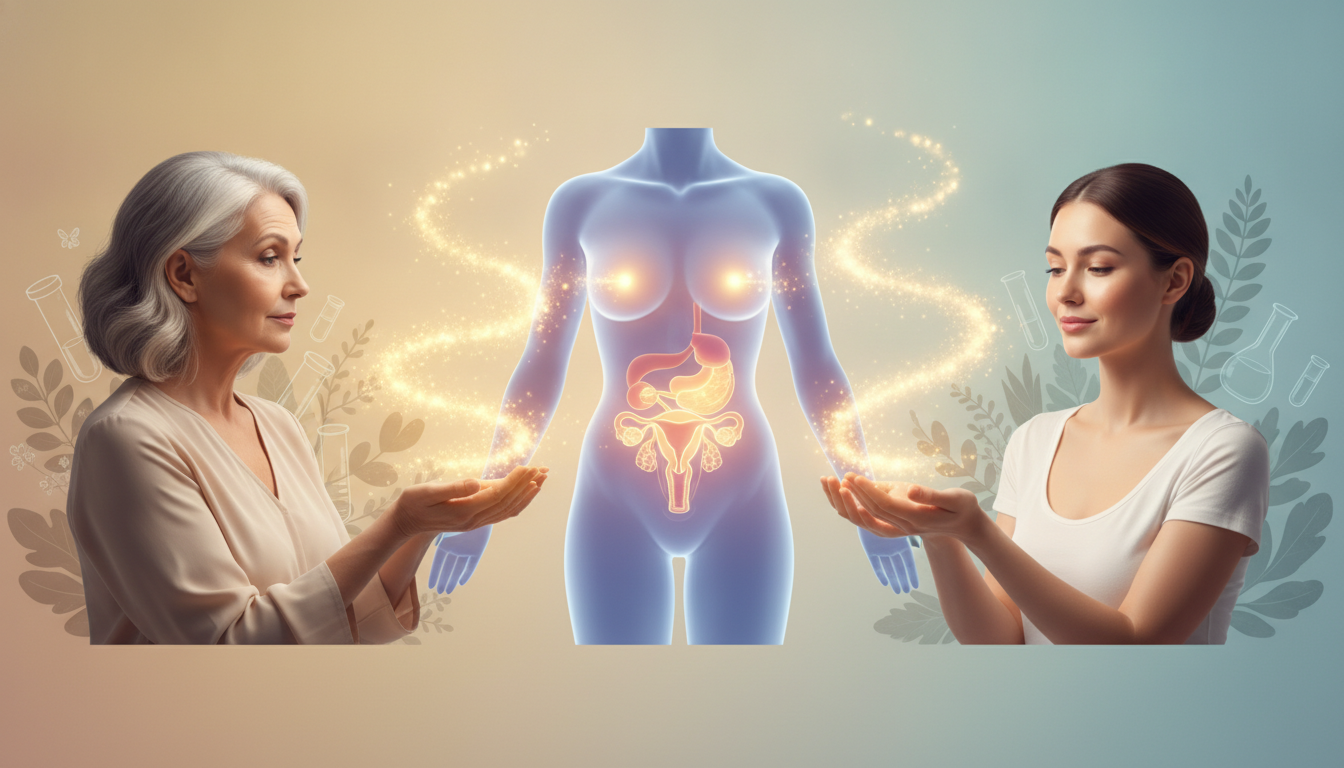
Understanding Hormone Replacement Therapy
Hormone Replacement Therapy — commonly referred to as HRT — is a medical treatment designed to replenish hormones that the body produces in lower quantities as a woman ages. The primary hormones involved are estrogen and progesterone, though testosterone and other hormones may also be addressed depending on individual needs.
As women approach and move through menopause, estrogen levels in particular begin to drop significantly. This decline doesn’t just trigger hot flashes and night sweats — it affects bone density, cardiovascular health, cognitive function, skin elasticity, and emotional wellbeing. HRT works by supplementing these declining hormone levels to bring the body back toward a state of hormonal equilibrium.
Here’s the thing: HRT isn’t a one-size-fits-all solution. It’s a personalized medical intervention that requires evaluation, monitoring, and adjustment by a qualified physician. The goal is always to use the lowest effective dose for the shortest necessary duration, tailored specifically to a woman’s health profile and symptoms.
Who Is a Candidate for Hormone Replacement Therapy?
HRT is most commonly recommended for women experiencing symptoms related to menopause or perimenopause — but that’s not the full picture. Let’s break down who might benefit most.
Women in Perimenopause
Perimenopause is the transitional phase leading up to menopause, typically beginning in a woman’s 40s but sometimes starting in the late 30s. During this time, hormone levels fluctuate unpredictably, causing a range of symptoms that can significantly affect daily life. HRT can help stabilize these fluctuations and manage symptoms before they become disruptive.
Women in Menopause and Postmenopause
Menopause is officially defined as 12 consecutive months without a menstrual period. Women in this stage often experience the most pronounced hormonal symptoms, and HRT has the strongest evidence base for providing relief during this period. Postmenopausal women — those who have been in menopause for more than a year — may also benefit, particularly for long-term concerns like bone loss and cardiovascular protection.
Women with Surgical Menopause
Women who have undergone a hysterectomy with removal of the ovaries experience an abrupt drop in hormone levels rather than a gradual decline. This can cause severe symptoms that HRT addresses effectively and often more urgently than natural menopause.
Women with Premature Ovarian Insufficiency
Some women experience premature ovarian insufficiency (POI), where the ovaries stop functioning normally before age 40. In these cases, HRT isn’t just about symptom relief — it’s an important protective measure for long-term bone and heart health.
Common Symptoms HRT Can Address
One of the reasons HRT is such a significant topic in women’s health is the sheer range of symptoms it can target. These aren’t minor inconveniences — for many women, these symptoms are life-altering.
- Hot flashes and night sweats: Among the most well-known menopausal symptoms, these vasomotor episodes can disrupt sleep and daily functioning. Estrogen therapy is the most effective treatment available.
- Sleep disturbances: Hormonal changes often interfere with sleep architecture, leading to insomnia or frequent waking. HRT can improve sleep quality significantly.
- Mood changes: Irritability, anxiety, and low mood are strongly linked to fluctuating estrogen levels. Restoring hormonal balance often improves emotional wellbeing considerably.
- Vaginal dryness and discomfort: Reduced estrogen affects vaginal tissue, causing dryness, itching, and pain during intercourse — a condition known as genitourinary syndrome of menopause (GSM).
- Decreased libido: Testosterone plays a role in women’s sex drive, and its decline can reduce desire. Some HRT protocols include low-dose testosterone for this reason.
- Cognitive changes: Many women report “brain fog,” memory lapses, and difficulty concentrating during hormonal transitions. Estrogen has neuroprotective properties that may support cognitive clarity.
- Bone density loss: Estrogen plays a critical role in maintaining bone density. Without it, women face an accelerated risk of osteoporosis and fractures post-menopause.
- Skin changes: This one often surprises women — estrogen directly influences skin thickness, collagen production, hydration, and elasticity. As estrogen declines, skin can become thinner, drier, and more prone to wrinkles.
- Joint pain and muscle aches: Estrogen has anti-inflammatory properties. Its decline can contribute to joint discomfort and musculoskeletal pain.
- Weight changes: Hormonal shifts affect metabolism and fat distribution, often leading to increased abdominal weight despite no change in diet or exercise habits.
Types of Hormone Replacement Therapy
Not all HRT is the same. The type recommended depends on a woman’s medical history, the severity of her symptoms, whether she still has her uterus, and her personal preferences.
Estrogen-Only Therapy
Estrogen-only HRT is typically prescribed for women who have had a hysterectomy (surgical removal of the uterus). Since they no longer have a uterus, there’s no risk of estrogen stimulating uterine lining growth (which, in women with a uterus, requires progesterone to offset).
Combined Estrogen-Progesterone Therapy
For women who still have their uterus, progesterone is always prescribed alongside estrogen. This is important: unopposed estrogen in women with a uterus increases the risk of endometrial cancer. Progesterone protects the uterine lining.
Combined therapy can be delivered in two ways:
- Sequential (cyclic) therapy: Estrogen is taken daily; progesterone is added for part of the month. This often produces a light monthly withdrawal bleed and is more common in perimenopausal women.
- Continuous combined therapy: Both hormones are taken daily with no break, which typically results in no monthly bleeding over time. This approach is generally preferred for postmenopausal women.
Bioidentical Hormone Replacement Therapy (BHRT)
Bioidentical hormones are chemically identical to the hormones naturally produced by the human body. They’re derived from plant sources (typically yam or soy) and processed to match the molecular structure of human hormones exactly.
The reality is that many FDA-approved hormone therapies already use bioidentical hormones — estradiol and progesterone (micronized) are both bioidentical. However, “bioidentical HRT” is also used to describe custom-compounded formulations made by compounding pharmacies, which are mixed to a patient’s specific prescription. These are not FDA-regulated in the same way and require careful oversight from a knowledgeable physician.
Low-Dose Testosterone Therapy
Though testosterone is often thought of as a male hormone, women produce it too — in smaller amounts. Low testosterone in women can cause fatigue, reduced libido, diminished motivation, and difficulty building muscle. Some physicians include low-dose testosterone as part of a broader HRT protocol for women where it’s clinically indicated.
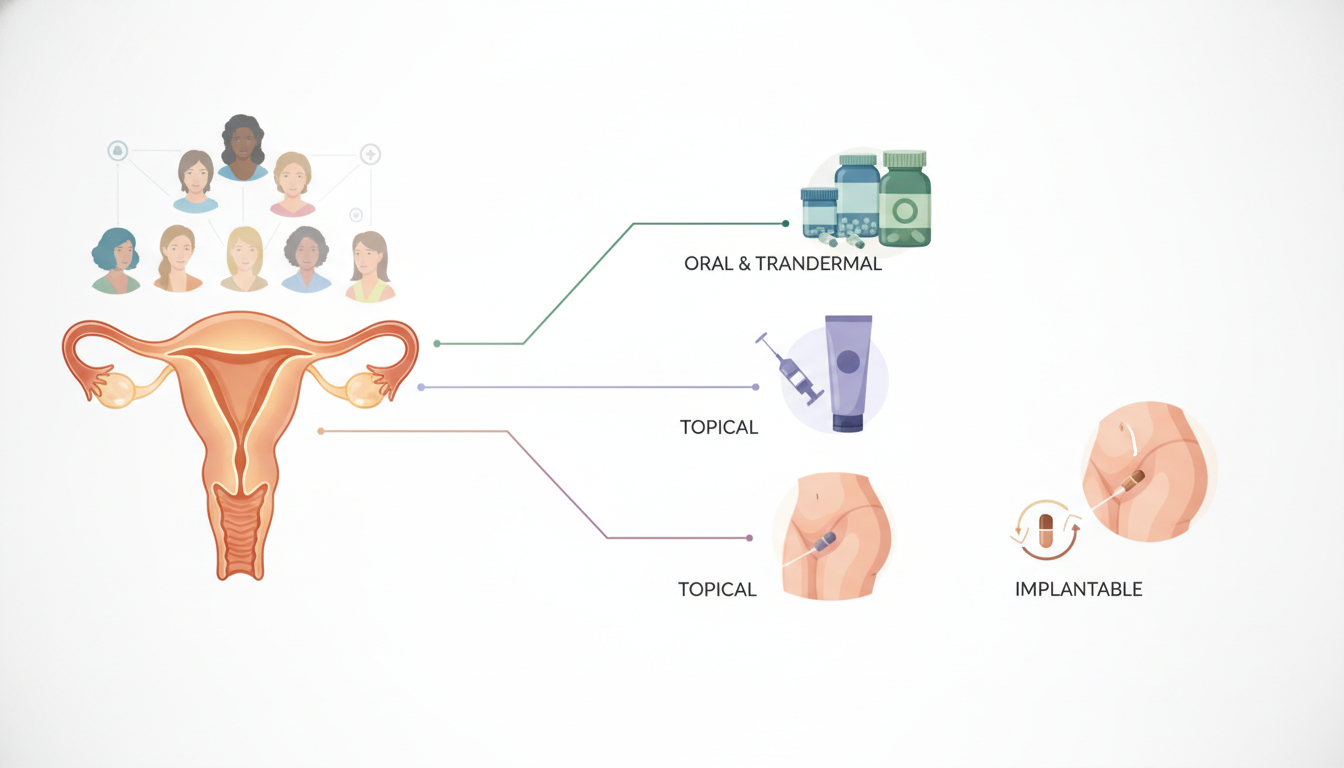
Delivery Methods: How HRT Is Administered
One of the advantages of modern HRT is the variety of delivery options available. This matters because different methods have different absorption rates, convenience levels, and risk profiles.
Oral Tablets
The most traditional delivery method. Pills are convenient and familiar, but they do pass through the liver, which can affect how some hormones are metabolized and may slightly influence clotting factors and triglycerides.
Transdermal Patches
Patches applied to the skin release hormones steadily over time, bypassing the liver’s first-pass metabolism. This is considered a lower-risk option for women who may have cardiovascular concerns, and it’s one of the most commonly recommended delivery methods in current clinical guidelines.
Topical Gels and Creams
Applied to the skin daily (usually the inner arm or thigh), gels and creams offer flexibility with dosing and also avoid liver metabolism. Absorption can vary between individuals.
Vaginal Preparations
For women whose primary concern is genitourinary symptoms (vaginal dryness, discomfort, recurrent UTIs), localized vaginal estrogen in the form of rings, suppositories, or creams is highly effective with minimal systemic absorption. This option carries a very low risk profile.
Hormone Pellets
Tiny pellets are inserted under the skin (usually in the buttock area) and release hormones consistently over several months. Many women appreciate this method for its convenience — no daily application required. Pellet therapy requires a skilled provider for proper insertion and dosing.
Injections
Less commonly used for estrogen and progesterone but more frequently used for testosterone supplementation. Injections are administered at intervals determined by hormone levels and symptom response.
The Benefits of Hormone Replacement Therapy
When HRT is appropriately prescribed and monitored, the benefits can be substantial and wide-reaching.
Relief from Vasomotor Symptoms
HRT is the gold standard for treating hot flashes and night sweats. Studies consistently show it reduces vasomotor symptoms by 75–90% in most women — a level of effectiveness that non-hormonal alternatives simply can’t match.
Improved Sleep Quality
By reducing night sweats and directly influencing sleep-regulating mechanisms, HRT helps women achieve more restorative sleep — which cascades positively across energy levels, mood, and cognitive function.
Bone Protection
Estrogen helps maintain bone density by slowing the breakdown of bone tissue. HRT is recognized as an effective intervention for preventing osteoporosis, particularly in women who experience early or surgical menopause.
Cardiovascular Benefits (When Started at the Right Time)
This is where timing matters considerably. Research — including the Women’s Health Initiative (WHI) follow-up analyses — suggests that women who start HRT within 10 years of menopause or before age 60 may experience cardiovascular protective benefits. Starting HRT later in the menopausal transition shows a different risk profile. This is known as the “timing hypothesis” or “window of opportunity.”
Skin Health and Collagen Support
Estrogen plays a direct role in collagen synthesis, skin hydration, and wound healing. Women on HRT often notice improvements in skin texture, firmness, and moisture retention. This is a meaningful benefit for women who are also focused on skin rejuvenation — and it works synergistically with aesthetic treatments like those available at advanced medical spas.
Mood Stabilization and Emotional Wellbeing
Estrogen influences serotonin and dopamine activity in the brain. Restoring estrogen levels can significantly improve mood, reduce anxiety, and support a more stable emotional baseline — which is distinct from treating clinical depression but meaningful for quality of life.
Sexual Health and Libido
HRT addresses both the physical barrier of vaginal dryness and the hormonal contributors to reduced libido. For many women, this dimension of HRT profoundly affects relationship quality and personal confidence.

Understanding the Risks and Considerations
A balanced discussion of HRT must include its risks. These risks are real — but they’re also frequently misunderstood and often exaggerated in the public conversation, largely due to how early WHI study data was initially reported.
Breast Cancer Risk
This is the concern most women raise first. The data shows that combined estrogen-progesterone therapy is associated with a small increased risk of breast cancer with long-term use (typically defined as more than five years). Estrogen-only therapy in women without a uterus shows a more nuanced picture — some studies actually suggest a reduced risk with estrogen alone.
Here’s the thing: the absolute increase in risk is small. For context, drinking one glass of alcohol per day and being overweight both carry a similar or greater increase in breast cancer risk. That doesn’t mean risk should be dismissed, but it should be kept in perspective and discussed individually with a physician.
Blood Clots and Stroke
Oral estrogen therapy is associated with a slightly increased risk of blood clots (venous thromboembolism) and stroke. Transdermal estrogen, however, does not appear to carry the same elevated clot risk, making it the preferred route for women with elevated cardiovascular concerns. This is an important reason why delivery method matters — not just preference but safety.
Individual Health History Matters
HRT is not appropriate for everyone. Women with a personal history of hormone-sensitive cancers, unexplained vaginal bleeding, active liver disease, or recent cardiovascular events require very careful evaluation before considering HRT. A board-certified physician with experience in women’s hormonal health is essential for navigating these nuances safely.
The Importance of Monitoring
HRT isn’t a prescription you get once and forget. Regular follow-up appointments, lab work, and symptom assessments are essential to ensure the therapy is working as intended and that dosages remain appropriate as a woman’s needs evolve over time.
HRT and Skin Rejuvenation: A Connection Worth Noting
Many women seeking skin rejuvenation treatments don’t initially realize how closely connected hormonal health is to skin quality. Estrogen stimulates collagen and elastin production — the proteins responsible for skin firmness and elasticity. It also supports hyaluronic acid production, which keeps skin hydrated and plump.
When estrogen declines, these processes slow. Women often notice their skin becoming drier, thinner, and less resilient — sometimes more noticeably than they expected. HRT can help restore some of this biological foundation, making it a meaningful complement to aesthetic treatments like dermal fillers, laser resurfacing, and microneedling.
Think of it this way: topical and procedural treatments address the surface, while HRT works from within to support the skin’s structural integrity. Together, they create a more complete approach to skin health and youthful appearance.
What to Expect When Starting HRT
If you and your physician decide HRT is right for you, here’s a realistic picture of what the process looks like.
Initial Consultation and Testing
Your physician will conduct a detailed health history review, discuss your symptoms, and typically order baseline lab work to assess hormone levels, thyroid function, and other relevant markers. This forms the foundation of your personalized treatment plan.
Starting Therapy and Adjustment Period
Most women don’t feel dramatic changes overnight. HRT typically takes four to twelve weeks to show its full effect, and the initial dose may need adjustment based on how your body responds. Be patient with this process — fine-tuning matters.
Ongoing Monitoring
Expect follow-up appointments at regular intervals — often at three months initially, then annually or as needed. Lab work, blood pressure checks, and symptom reviews are standard components of monitoring.
Duration of Therapy
The question of how long to stay on HRT is highly individual. Current guidance from major menopause societies indicates that for healthy women who started HRT at the right time, there isn’t a hard upper limit — the decision should be made based on ongoing risk-benefit analysis with your doctor. The old guidance recommending only short-term use has been reconsidered in light of newer evidence.

Questions to Ask Your Doctor About HRT
Going into a consultation prepared makes a real difference. Here are some questions worth raising:
- Am I a good candidate for HRT based on my health history?
- Which type of HRT and delivery method would you recommend for me, and why?
- What risks are most relevant to my specific situation?
- How will we monitor whether the therapy is working?
- Are there non-hormonal alternatives I should consider alongside or instead of HRT?
- How might HRT interact with any current medications or supplements?
- What symptoms should prompt me to contact you before my next scheduled visit?
The Role of Expert Medical Supervision
This cannot be overstated: HRT must be prescribed and managed by a qualified physician who understands both the clinical evidence and the nuances of individual patient care. The landscape of hormone therapy has evolved considerably over the past two decades, and newer research has shifted recommendations in important ways that not all providers are equally up to date on.
Women deserve a physician who takes their symptoms seriously, doesn’t dismiss hormonal changes as inevitable inconveniences, and has the expertise to create a personalized treatment plan rather than applying a generic protocol. Board certification and extensive clinical experience with women’s health and hormonal medicine are non-negotiable criteria when selecting a provider for HRT.
Conclusion: Taking a Proactive Approach to Hormonal Health
Hormone Replacement Therapy isn’t about reversing aging or defying biology — it’s about supporting the body through a significant physiological transition so that women can feel like themselves, maintain their health, and live fully in every decade. The conversation around HRT has matured considerably, and today’s evidence-based approach is far more nuanced and individualized than earlier protocols suggested.
If you’re experiencing symptoms of hormonal imbalance — whether that’s disruptive hot flashes, sleep issues, mood changes, or changes in your skin and energy levels — you don’t have to simply accept them. A conversation with a knowledgeable physician is the first step toward understanding your options.
At Beyond Aesthetics, our board-certified MD brings over 25 years of experience to every patient consultation. We understand that hormonal health and aesthetic wellbeing are deeply connected — and we provide expert medical supervision across all of our services. Whether you’re exploring HRT as part of a broader wellness strategy or looking to complement hormonal treatment with advanced skin rejuvenation therapies, we’re here to guide you with clinical precision and genuine care. Same-day consultations are available with flexible scheduling, because your health shouldn’t have to wait. Reach out today to start the conversation.