Your skin replaces itself entirely every 27 days — but that number isn’t fixed. Lifestyle choices, age, and the right interventions can dramatically shift how quickly your skin heals, renews, and glows. If you’ve been wondering whether there’s a way to speed up that natural cycle, the answer is a resounding yes. Here’s exactly what works, backed by science and clinical experience.
Understanding How Skin Regeneration Actually Works
Before diving into solutions, it helps to understand the process you’re trying to support. Skin regeneration isn’t a single event — it’s a continuous cycle happening in multiple layers simultaneously.
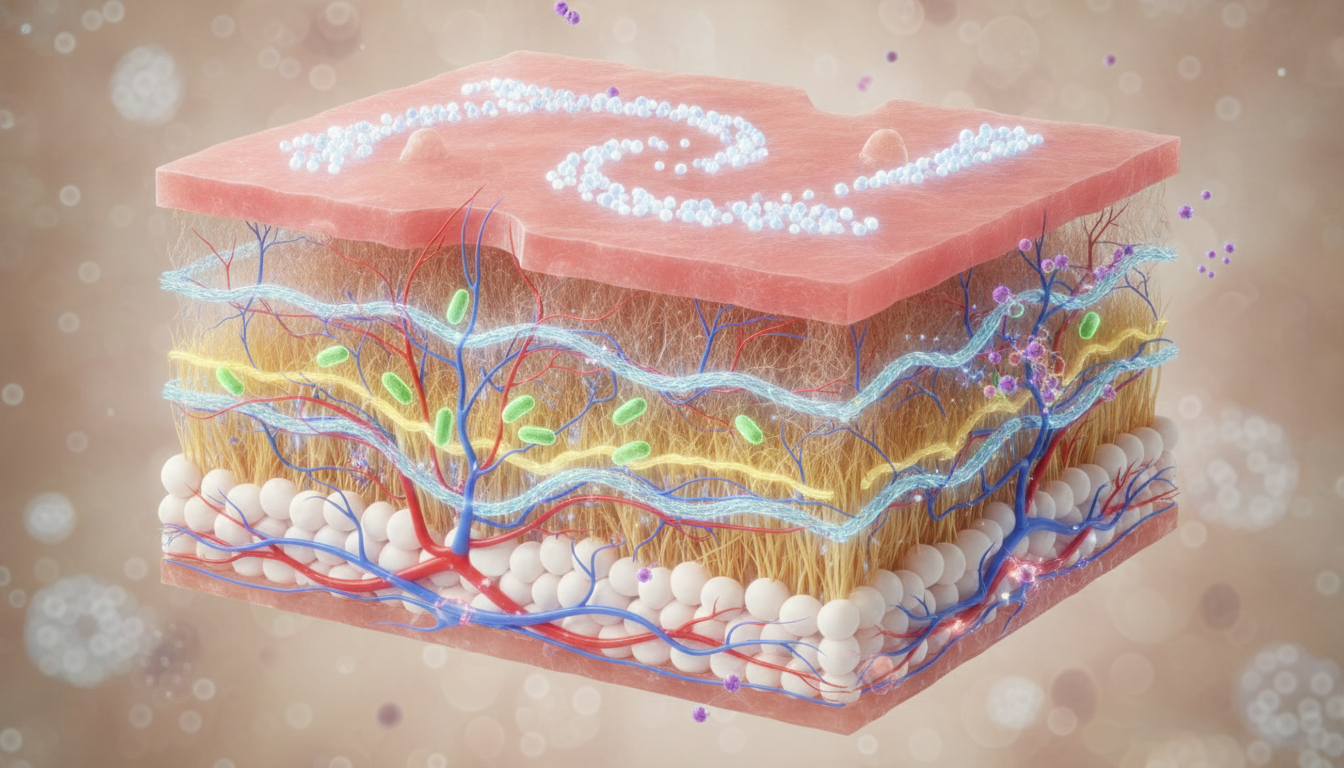
Your skin is organized into three primary layers:
- Epidermis — The outermost layer, responsible for the visible texture and tone you see every day
- Dermis — The middle layer, packed with collagen, elastin, and blood vessels that keep skin firm and elastic
- Hypodermis — The deepest layer, providing structure and cushioning
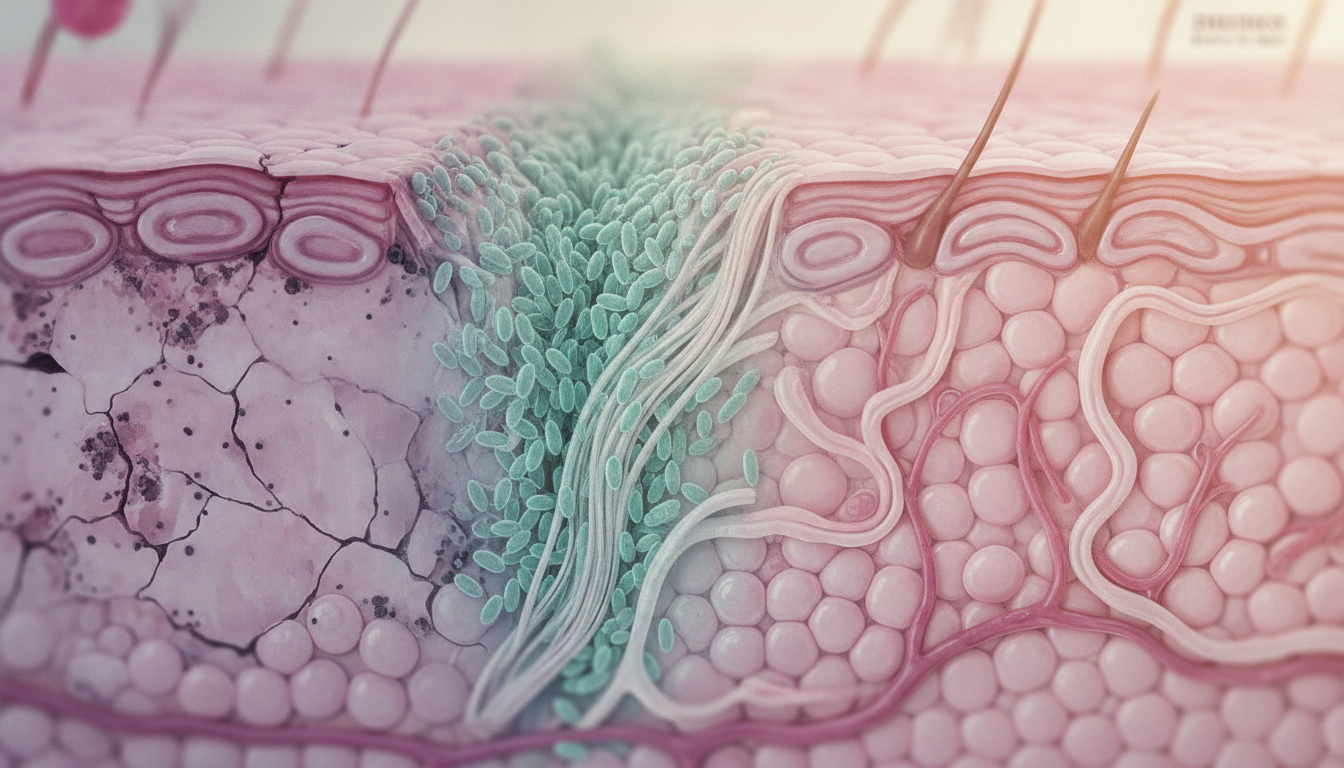
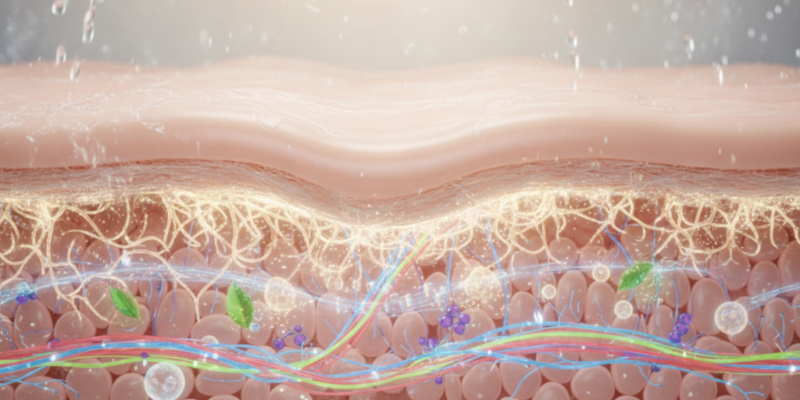
Cell turnover — the process of shedding old, dead cells and replacing them with fresh ones — happens primarily in the epidermis. Stem cells at the base of this layer constantly produce new keratinocytes that migrate upward over roughly 14 days, then spend another 14 days reaching the surface before they’re shed.
Here’s what most people miss: as we age, this process slows significantly. A teenager’s skin turns over in about 14 days. By your 40s and 50s, that cycle can stretch to 45–60 days. Dead skin cells accumulate. Collagen production drops. The result? Dullness, uneven tone, and fine lines that seem to appear overnight.
The good news? You can intervene at nearly every stage of this cycle.
Key Factors That Slow Skin Regeneration
Understanding what’s holding your skin back is half the battle. Several factors significantly impair the skin’s ability to renew itself efficiently.
Age-Related Decline
Collagen production peaks in your mid-20s and declines by approximately 1% per year after that. Combined with slower cell turnover, this creates the cumulative signs of aging most women seek to address.
Chronic Sun Damage
UV radiation damages DNA in skin cells, disrupts the skin barrier, and degrades collagen faster than almost any other external factor. Even daily, incidental sun exposure adds up over decades.
Poor Nutrition
Skin cells need a steady supply of vitamins, minerals, and amino acids to rebuild properly. Deficiencies in vitamin C, zinc, and protein directly impair wound healing and cell renewal.
Hormonal Changes
Estrogen plays a significant role in maintaining skin thickness and moisture. During perimenopause and menopause, declining estrogen levels accelerate collagen loss and slow cellular repair.
Chronic Stress and Poor Sleep
Cortisol — your body’s primary stress hormone — breaks down collagen and impairs the skin barrier. Sleep deprivation compounds this by reducing growth hormone secretion, which is essential for cellular repair.
Smoking and Environmental Toxins
Cigarette smoke introduces free radicals that overwhelm the skin’s antioxidant defenses and constrict blood flow, starving skin cells of the oxygen and nutrients they need to regenerate.
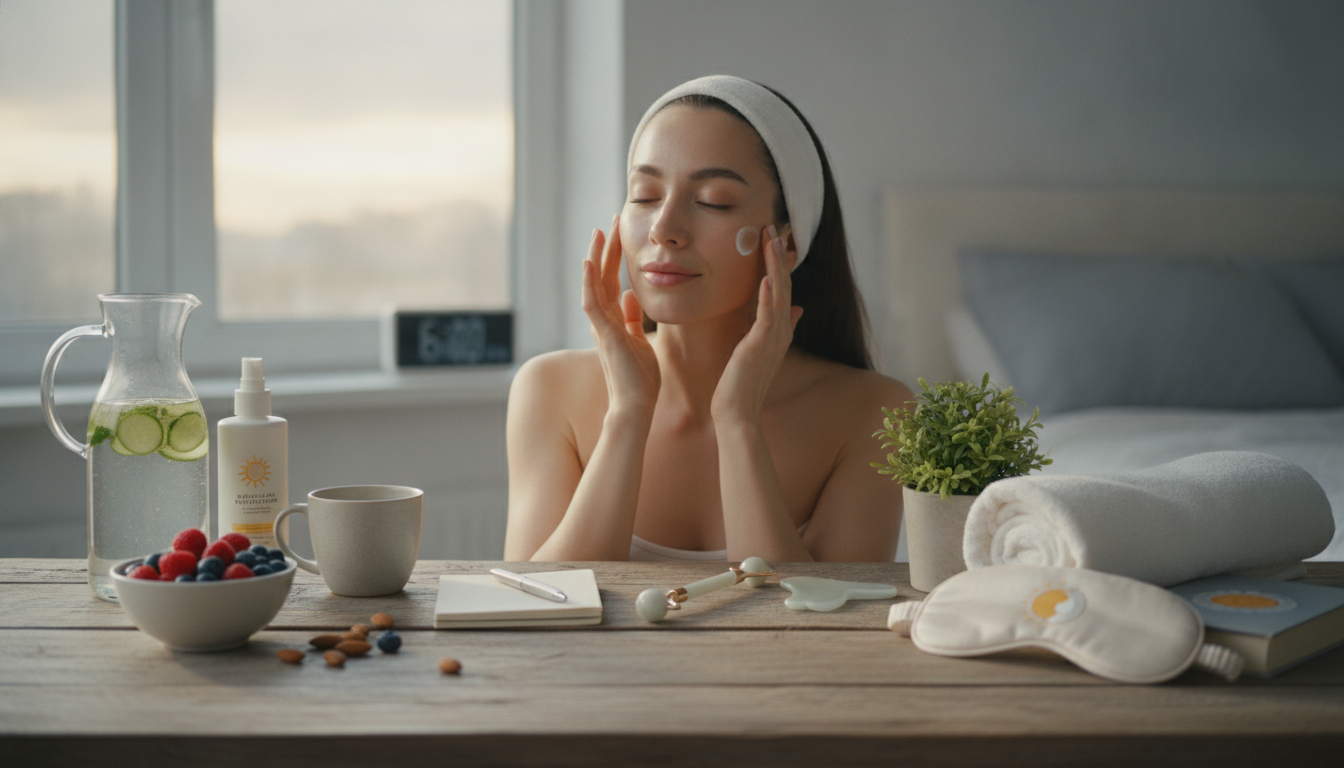
Daily Habits That Accelerate Skin Regeneration
The foundation of faster skin renewal isn’t a single product or treatment — it’s a collection of consistent daily habits that create the right environment for your cells to thrive.
Prioritize Quality Sleep
Your skin does its most intensive repair work between 10 PM and 2 AM, when growth hormone levels peak. Consistently getting 7–9 hours of quality sleep isn’t just good health advice — it’s a direct investment in faster skin regeneration.
Practical tips for better skin-focused sleep:
- Use a silk or satin pillowcase to minimize friction-related skin damage
- Apply your heaviest moisturizer or repair serum right before bed to take advantage of the skin’s overnight absorption
- Keep your bedroom cool and humidified to prevent transepidermal water loss
Hydrate Strategically
Hydration affects every phase of cell turnover. Dehydrated skin cells are sluggish — they divide more slowly and shed less efficiently, leading to that flat, lackluster complexion many women notice in the morning.
Aim for at least 8 glasses of water daily, but don’t stop there. Foods with high water content — cucumbers, watermelon, leafy greens — contribute to cellular hydration from the inside out. And don’t underestimate the role of topical humectants like hyaluronic acid in pulling moisture into the skin’s upper layers.
Optimize Your Diet for Skin Renewal
What you eat directly fuels the cellular machinery behind skin regeneration. The most impactful nutrients include:
- Vitamin C — Essential for collagen synthesis. Found in citrus fruits, bell peppers, and kiwi
- Zinc — Critical for wound healing and DNA repair. Found in pumpkin seeds, beef, and chickpeas
- Omega-3 fatty acids — Reduce inflammation and support the skin barrier. Found in salmon, walnuts, and flaxseed
- Vitamin A (retinol precursors) — Directly stimulates cell turnover. Found in sweet potatoes, carrots, and leafy greens
- Protein — Provides amino acids needed to build new skin cells and collagen. Found in eggs, lean meats, and legumes
Exercise Regularly
Cardiovascular exercise increases blood flow to the skin, delivering oxygen and nutrients while removing waste products. Research from McMaster University found that regular aerobic exercise in adults over 40 produced skin that was biologically younger — with a cellular composition more similar to people in their 20s and 30s.
You don’t need intense workouts. Even 30 minutes of brisk walking most days produces measurable improvements in skin oxygenation and glow.
Skincare Ingredients That Speed Up Cell Turnover
Once your foundational habits are in place, the right topical ingredients can meaningfully accelerate the regeneration process. Here’s what the science actually supports.
Retinoids: The Gold Standard
No ingredient has more clinical evidence behind it than retinoids. Derived from vitamin A, retinoids work by binding to receptors in skin cells and directly stimulating the production of new collagen while speeding up cell turnover.
The retinoid family includes:
- Retinol — Available over the counter; gentler, slower-acting
- Retinaldehyde — More potent than retinol but still available without a prescription
- Tretinoin (retinoic acid) — Prescription-strength; the most studied and effective option
The reality is that prescription tretinoin, under medical supervision, produces results that over-the-counter options simply can’t match. Starting at a low concentration and gradually increasing helps minimize irritation while your skin adapts.
Alpha Hydroxy Acids (AHAs)
AHAs — including glycolic acid, lactic acid, and mandelic acid — work at the surface level by dissolving the bonds between dead skin cells and accelerating their shedding. The result is more even texture, brighter tone, and better absorption of other active ingredients.
Glycolic acid, with the smallest molecular size, penetrates deepest and is generally most effective. Lactic acid is a gentler option that also provides hydration, making it better suited for sensitive or dry skin types.
Vitamin C (L-Ascorbic Acid)
Topical vitamin C does double duty: it neutralizes free radicals that damage skin cells, and it directly stimulates collagen synthesis. Stable formulations at a concentration of 10–20% L-ascorbic acid, applied in the morning, provide meaningful antioxidant protection and gradual brightening over time.
Peptides
Peptides are short chains of amino acids that signal your skin cells to produce more collagen, elastin, and other structural proteins. Unlike retinoids, they don’t cause irritation, making them an excellent complement to more aggressive treatments.
Look for signal peptides like Matrixyl (palmitoyl pentapeptide-4) or copper peptides, which have strong clinical support for collagen stimulation.
Niacinamide (Vitamin B3)
Niacinamide supports skin barrier function, reduces inflammation, and helps regulate melanin production to address uneven pigmentation. It works synergistically with almost every other active ingredient, making it one of the most versatile additions to any skincare routine.
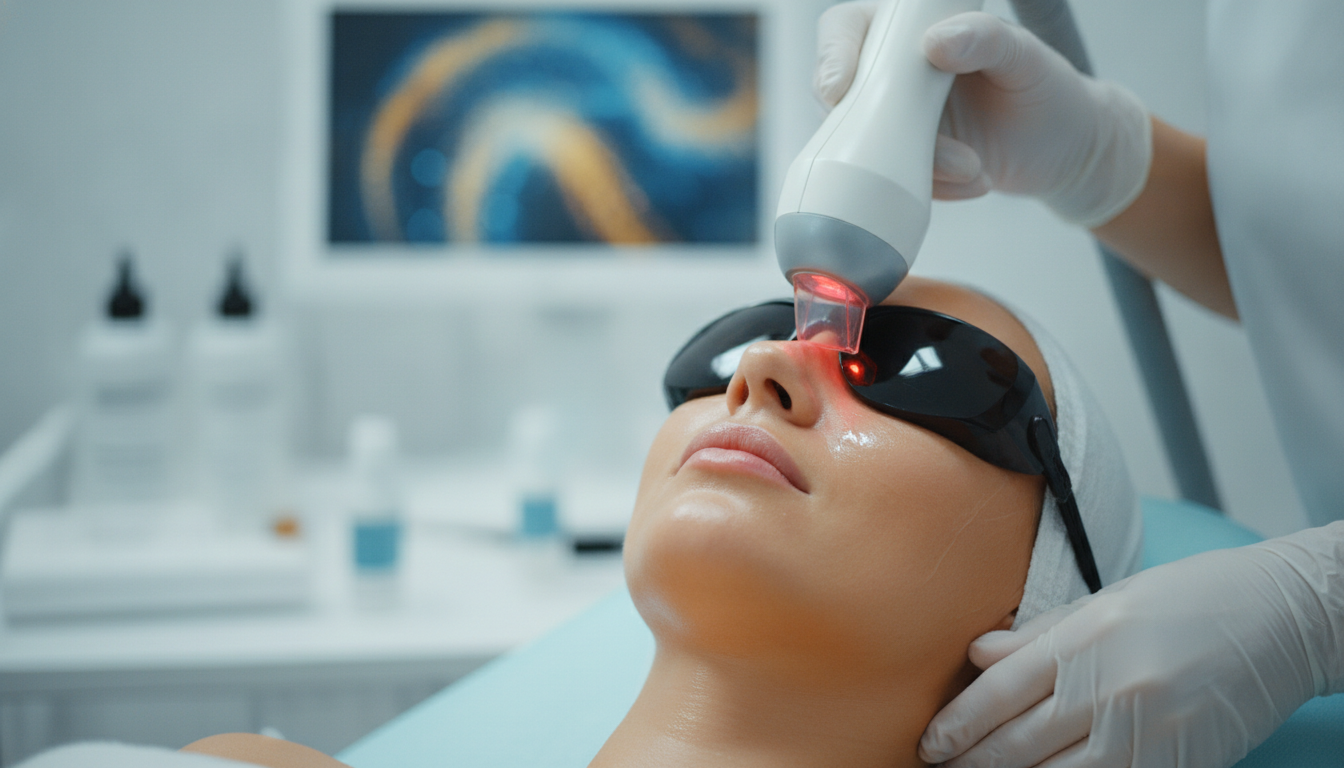
Professional Treatments That Dramatically Accelerate Skin Regeneration
Daily habits and topical products build a strong foundation. But if you want to significantly accelerate skin regeneration — not just support it — professional medical aesthetic treatments are in a different category entirely.
These aren’t luxury indulgences. Under proper medical supervision, they’re targeted interventions that trigger the skin’s own repair mechanisms at a depth and intensity no topical product can reach.
Microneedling
Microneedling uses a device with fine needles to create thousands of controlled micro-injuries in the skin. This sounds counterintuitive, but those tiny injuries trigger a wound healing cascade — flooding the area with growth factors, stimulating fibroblast activity, and dramatically increasing collagen and elastin production.
Clinical studies show that a series of microneedling sessions can increase collagen production by up to 400%. Results include improved skin texture, reduced fine lines, minimized pores, and a more even complexion. When combined with platelet-rich plasma (PRP) — often called a “vampire facial” — the regenerative effects are amplified significantly.
Chemical Peels
Professional chemical peels work on the same principle as AHAs but at a much higher concentration and depth of penetration. By intentionally removing the damaged outer layers of skin, they force the body to regenerate fresh, healthier skin in their place.
Peels are categorized by depth:
- Superficial peels — Target the outermost epidermis; minimal downtime, suitable for general brightening and texture
- Medium-depth peels — Penetrate into the upper dermis; more dramatic results for pigmentation, fine lines, and skin laxity
- Deep peels — Significant skin resurfacing; requires recovery time but produces dramatic, long-lasting regeneration
The right peel type depends on your skin concerns, skin type, and tolerance for downtime — which is exactly why board-certified physician oversight matters here.
Laser Skin Resurfacing
Fractional laser treatments — including fractional CO2 and Erbium lasers — deliver precise columns of laser energy into the skin, creating micro-zones of controlled damage surrounded by intact tissue. This approach stimulates aggressive collagen remodeling while allowing for faster healing than fully ablative treatments.
The results from a single fractional laser session can include skin tightening, dramatic reduction in fine lines, improved texture, and a more youthful overall complexion. Results continue to improve for 3–6 months post-treatment as new collagen matures.
Radiofrequency (RF) Treatments
Radiofrequency devices deliver thermal energy into the dermis, heating collagen fibers to stimulate both immediate tightening and longer-term new collagen production. Treatments like RF microneedling combine the collagen-stimulating effects of microneedling with the added benefit of thermal energy delivery at precise depths.
RF treatments are particularly effective for skin laxity concerns — the sagging and loss of firmness that becomes more pronounced through the 40s and 50s.
Platelet-Rich Plasma (PRP) Therapy
PRP uses your body’s own growth factors to accelerate tissue regeneration. A small amount of blood is drawn, processed to concentrate the platelets, and then injected or applied topically to the treatment area. The growth factors in PRP — including PDGF, TGF-β, and VEGF — directly stimulate fibroblast activity, collagen synthesis, and the formation of new blood vessels.
PRP is increasingly used not just as a standalone treatment but as an add-on to microneedling, lasers, and other resurfacing procedures to amplify regenerative effects.
Biostimulators (Sculptra, Radiesse)
Injectable biostimulators like Sculptra (poly-L-lactic acid) don’t add volume directly — they stimulate your own collagen production over time. The results are gradual but natural-looking, and they address the underlying structural loss that contributes to aged-looking skin rather than just masking the surface.
Building a Skin Regeneration Protocol: A Practical Framework
Faster skin regeneration isn’t about doing everything at once — it’s about building a layered protocol where each element supports the others.
Morning Routine
- Gentle cleanser — Preserves the skin barrier without stripping
- Vitamin C serum — Antioxidant protection and collagen stimulation
- Moisturizer — Supports barrier function and hydration
- Broad-spectrum SPF 30+ — Non-negotiable; UV damage is the single greatest accelerator of skin aging
Evening Routine
- Double cleanse — Remove SPF and environmental residue thoroughly
- Retinoid or retinol — Start 2–3 nights per week, gradually increase
- Peptide serum — Layered with or alternating with retinoid
- Rich moisturizer or barrier repair cream — Lock in moisture overnight
Weekly Additions
- AHA exfoliant 1–2x per week (reduce if using prescription retinoids)
- Hydrating mask for an intensive moisture boost
Quarterly Professional Treatments
Depending on your specific concerns and goals, rotating through professional treatments on a quarterly schedule allows for progressive, cumulative improvement in skin quality without overdoing any single modality.
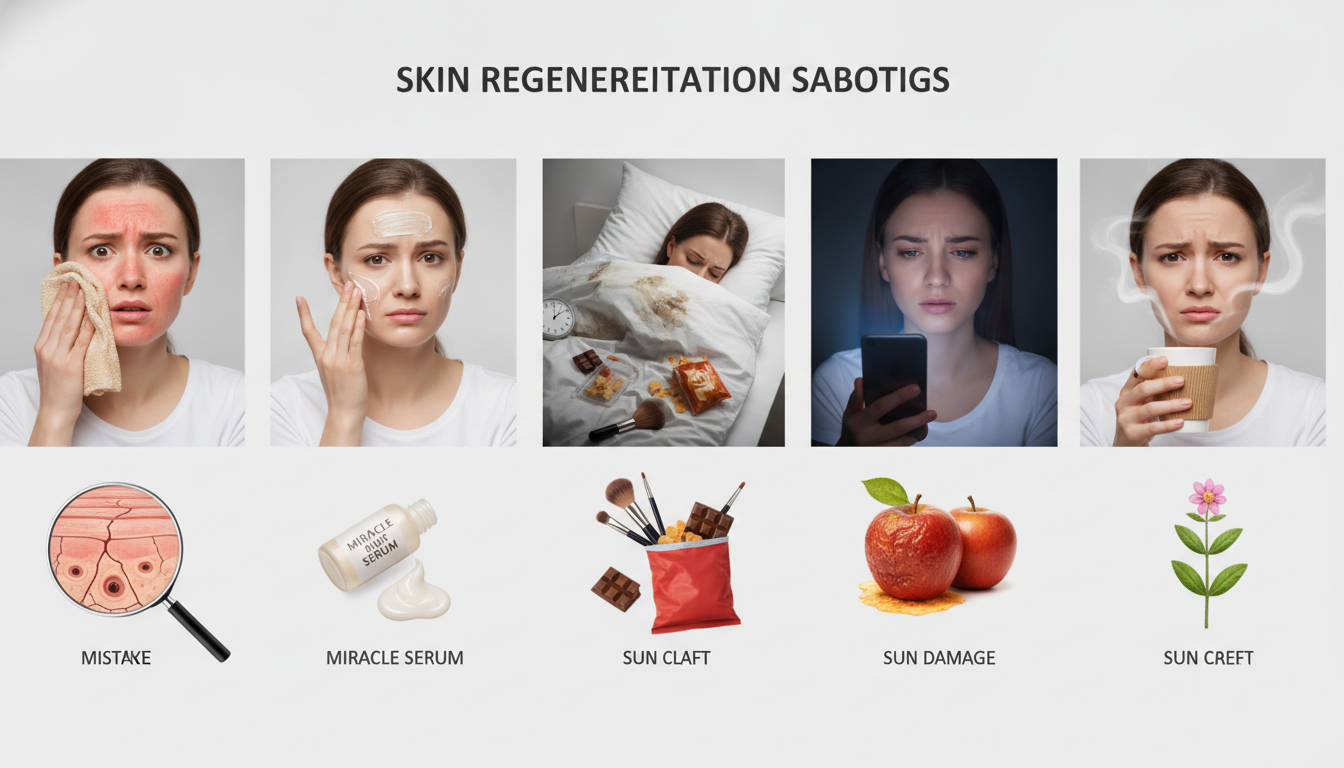
Common Mistakes That Sabotage Skin Regeneration
Here’s the thing — even women with excellent intentions often inadvertently slow down their skin’s renewal process. Watch out for these common missteps.
Over-Exfoliating
More isn’t better when it comes to exfoliation. Stripping the skin barrier repeatedly prevents it from completing its natural repair cycle. If your skin is perpetually red, tight, or reactive, over-exfoliation may be the culprit.
Skipping Sunscreen
UV damage directly degrades collagen, creates oxidative stress in skin cells, and triggers hyperpigmentation. All the regenerative treatments and products in the world are working against you if you’re not protecting the results with daily SPF.
Inconsistency With Active Ingredients
Retinoids, vitamin C, and peptides require consistent use over weeks and months to produce visible results. Applying them sporadically — or abandoning them after two weeks because you haven’t seen dramatic changes — means you’re never giving them a chance to work.
Neglecting the Skin Barrier
A compromised skin barrier can’t regenerate efficiently. Signs of barrier damage include persistent dryness, sensitivity, and irritation. Prioritizing barrier repair — with ceramides, fatty acids, and gentle products — is often the first step before introducing active ingredients.
Trying to DIY Professional Treatments
At-home LED devices, dermarollers, and over-the-counter peels can provide mild benefits, but they’re not equivalent to professional treatments. More importantly, improper use of these tools — incorrect depth, frequency, or product combinations — can cause lasting damage rather than regeneration.
When to See a Medical Professional
If your skin regeneration concerns go beyond general maintenance — if you’re dealing with significant sun damage, deep lines, loss of firmness, or persistent pigmentation — a skincare routine alone won’t move the needle enough.
This is where medical expertise changes everything. A board-certified physician can assess your skin’s current condition, identify the specific mechanisms behind your concerns, and recommend a protocol that combines medical-grade topicals with targeted professional treatments in the right sequence and intensity.
The difference between a well-informed skincare routine and a medically supervised skin regeneration protocol isn’t just the products and treatments used — it’s the precision, safety, and customization that comes with proper physician oversight.
Conclusion: Faster Skin Regeneration Is Within Reach
Skin regeneration isn’t passive — it responds directly to how you treat it. The women who achieve genuinely transformative results aren’t doing anything mysterious. They’re combining the right daily habits, clinically supported ingredients, and strategically chosen professional treatments into a coherent, consistent protocol.
Start with your foundation: sleep, nutrition, hydration, and sun protection. Layer in evidence-backed actives like retinoids and vitamin C. And when you’re ready to accelerate results meaningfully, explore what professional medical aesthetic treatments can do — because that’s where the real transformation happens.
At Beyond Aesthetics, our board-certified MD brings over 25 years of experience to every skin regeneration consultation. Whether you’re just beginning to think about professional treatments or you’re ready to address specific concerns with a targeted protocol, we offer same-day consultations with flexible scheduling to make expert care accessible. Your skin has the capacity to renew itself — the right guidance helps it do that faster, safer, and more effectively than going it alone.