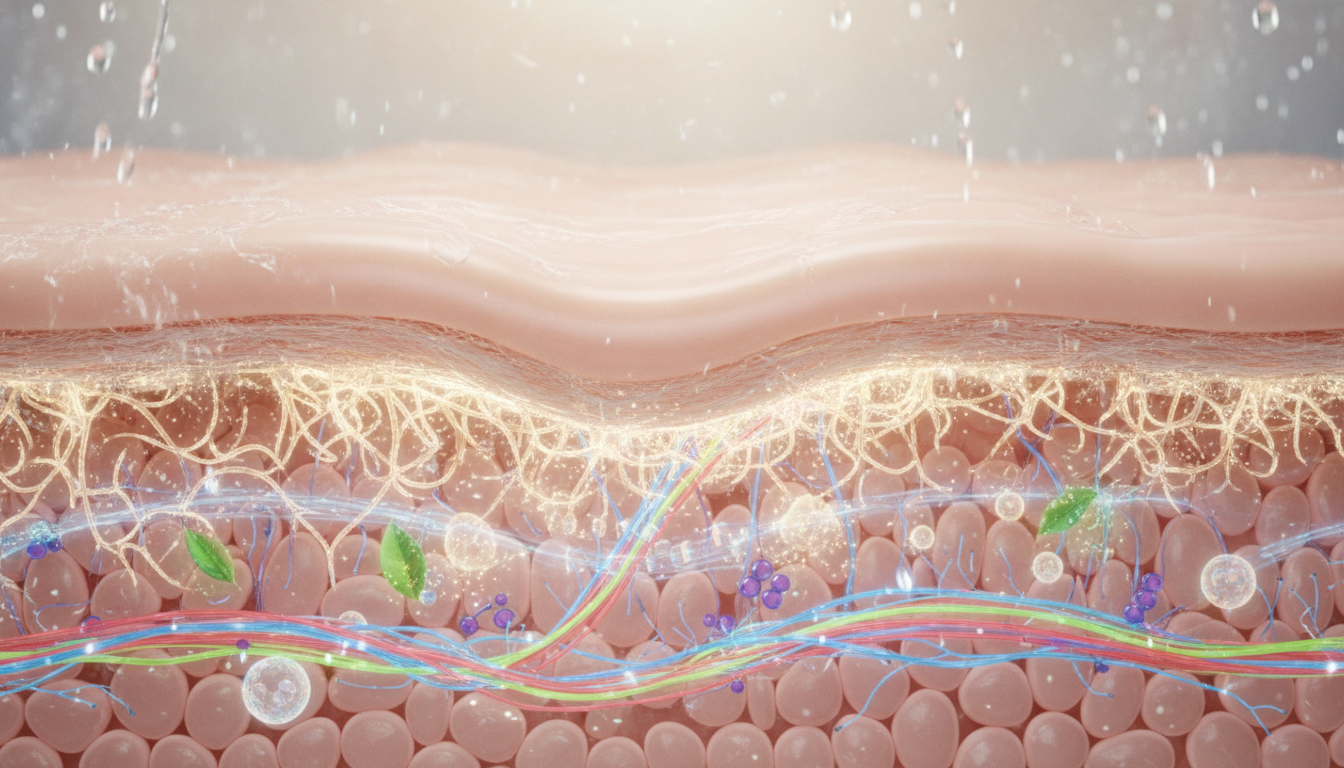
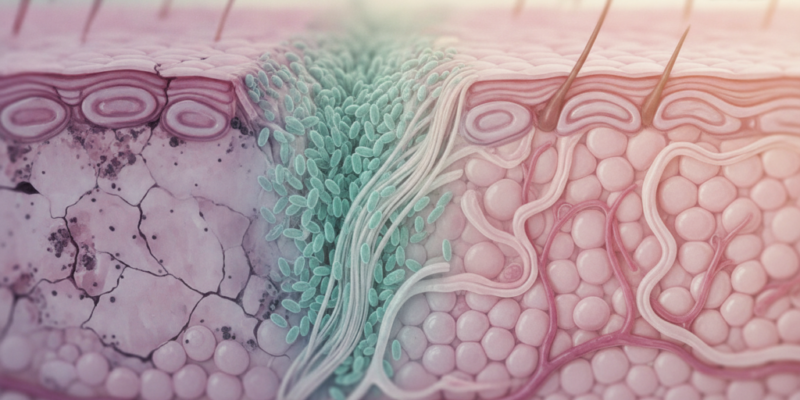
Your skin is quietly working around the clock to repair, renew, and rebuild itself — and most people have no idea how remarkable that process actually is. Skin regeneration is the biological foundation behind nearly every anti-aging treatment available today, and understanding it can completely change how you approach your skincare routine and aesthetic goals. Here’s what you need to know.
What is Skin Regeneration?
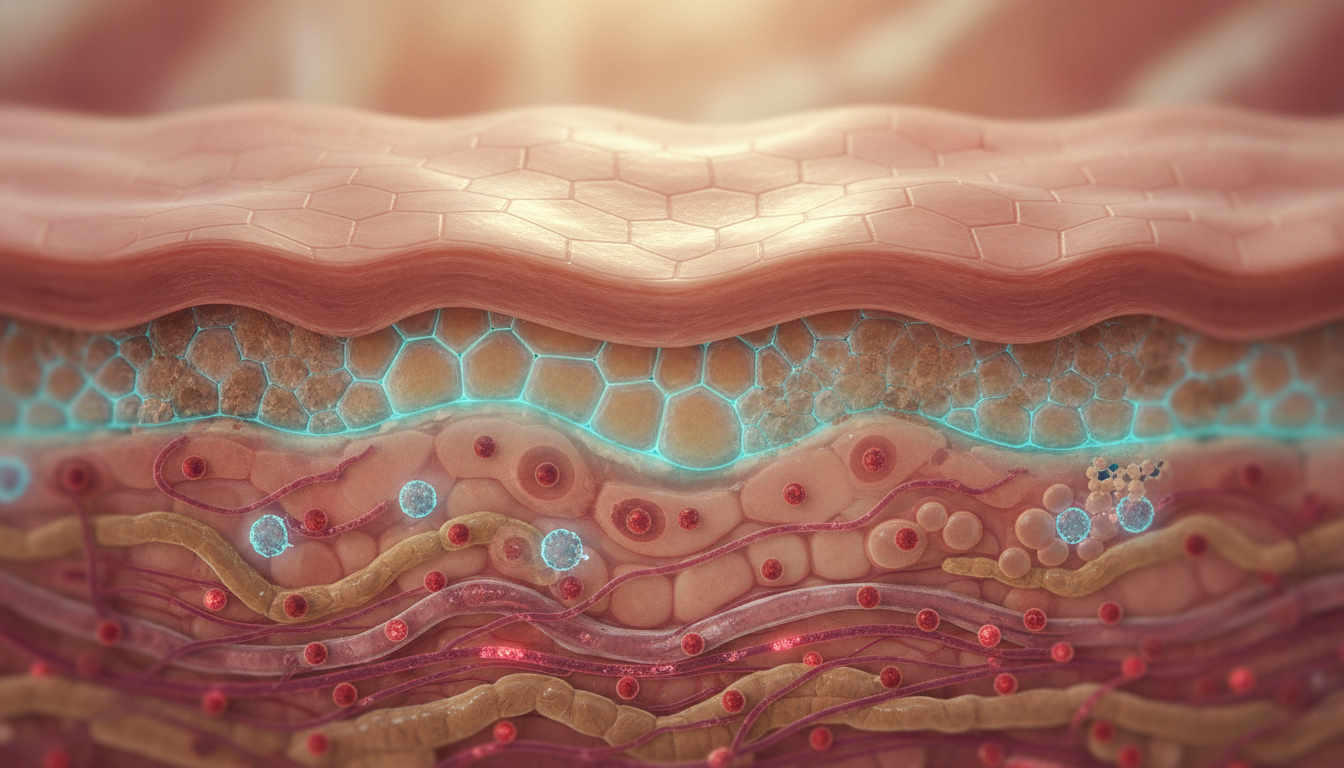
Skin regeneration refers to the skin’s natural ability to repair damaged cells, replace old or dead ones, and restore itself to a healthier, more functional state. It’s an ongoing biological process that happens at the cellular level — largely without any input from you — but one that slows down significantly as you age.
At its core, regeneration involves the production of new skin cells in the deepest layer of the epidermis (the outer skin layer), which gradually migrate to the surface over time, replacing older cells that naturally shed. It also involves the production of collagen and elastin — structural proteins that keep skin firm, plump, and resilient.
When everything is functioning optimally, this cycle keeps your skin looking youthful, smooth, and healthy. When it slows down or gets disrupted — due to aging, sun damage, stress, or environmental factors — that’s when wrinkles, uneven tone, sagging, and dullness start to appear.
How Does the Skin Regeneration Process Work?
To really appreciate what skin regeneration means — and why it matters for your skincare — it helps to understand the basic biology behind it.
The Skin’s Three Main Layers
Your skin is made up of three distinct layers, each playing a different role in regeneration:
- Epidermis: The outermost layer, responsible for protection and the visible surface of your skin. This is where cell turnover (shedding and replacement of skin cells) primarily happens.
- Dermis: The middle layer, home to collagen, elastin, hair follicles, sweat glands, and blood vessels. This layer is critical for skin strength, hydration, and elasticity.
- Hypodermis: The deepest layer, made up mostly of fat and connective tissue. It provides insulation, cushioning, and structural support to the layers above.
Regeneration is most active in the epidermis and dermis, where new cells are produced and structural proteins are synthesized.
Cell Turnover: The Foundation of Renewal
The skin regenerates through a process called cell turnover — the cycle by which new skin cells form, mature, travel to the surface, and eventually shed. In younger skin, this cycle takes approximately 28 days. Here’s the thing: as you age, that cycle slows down considerably.
- In your 30s: Cell turnover slows to around 28–35 days
- In your 40s: The cycle extends to 45–60 days
- In your 50s and beyond: Turnover can take up to 60–90 days
When cell turnover slows, older, damaged cells linger on the surface longer. That’s what causes the dull, uneven complexion that many women notice as they get older.
Collagen and Elastin Production
Alongside cell turnover, the dermis plays a crucial role in regeneration through collagen and elastin synthesis. Collagen gives skin its firmness and structure, while elastin allows it to stretch and bounce back. Together, they’re responsible for that youthful “snap” that healthy skin has.
After age 25, collagen production drops by approximately 1% per year. By the time most women are in their 40s or 50s, the cumulative loss is significant enough to visibly affect skin texture, firmness, and the depth of wrinkles.
The good news? Modern aesthetic treatments are specifically designed to stimulate this regenerative process — prompting your skin to ramp up collagen production and accelerate cell renewal in ways that natural aging would otherwise slow down.
What Factors Affect Skin Regeneration?
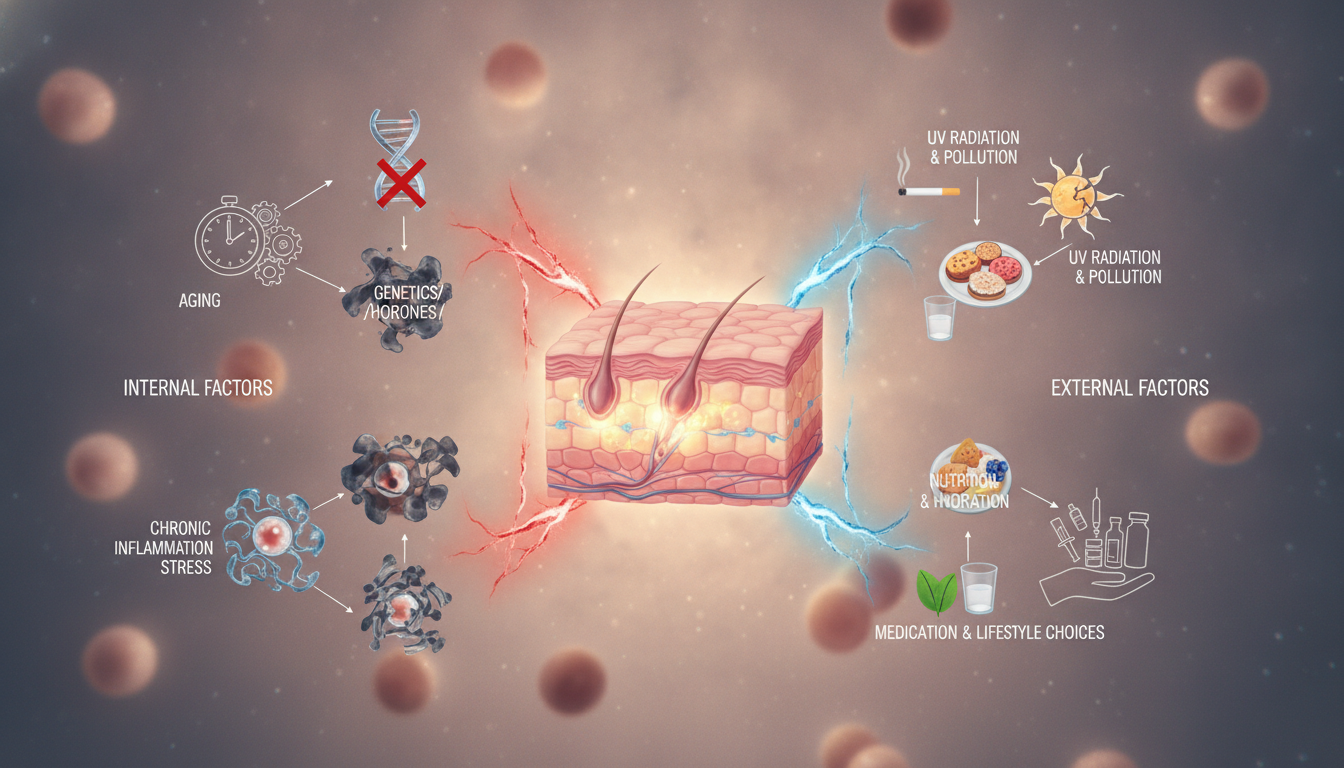
Skin regeneration doesn’t slow down just because of age. Several internal and external factors can disrupt or diminish the skin’s ability to renew itself effectively.
Internal Factors
- Age: The most significant factor. As mentioned, both cell turnover and collagen production naturally decline over time.
- Hormonal changes: Estrogen plays a major role in maintaining skin thickness, collagen levels, and moisture retention. Menopause-related estrogen decline is one of the leading causes of accelerated skin aging in women.
- Genetics: Your genetic makeup influences how quickly your skin ages and how efficiently it regenerates. Some women are genetically predisposed to faster collagen breakdown.
- Nutrition: Skin cells need specific vitamins and nutrients — particularly vitamins A, C, and E, along with zinc and omega-3 fatty acids — to regenerate properly. Deficiencies can slow the process.
- Sleep quality: The body does the majority of its cellular repair during deep sleep. Chronic sleep deprivation directly impairs skin regeneration.
- Stress levels: Elevated cortisol (the stress hormone) breaks down collagen and disrupts the skin barrier, slowing regeneration and accelerating signs of aging.
External Factors
- UV exposure: Unprotected sun exposure is the single biggest external cause of accelerated skin aging. UV rays damage DNA in skin cells, break down collagen, and disrupt the regenerative cycle — a process called photoaging.
- Pollution: Environmental pollutants generate free radicals that cause oxidative damage to skin cells, impairing their ability to regenerate properly.
- Smoking: Tobacco smoke restricts blood flow to the skin and introduces a flood of free radicals, significantly slowing regeneration and depleting collagen.
- Alcohol: Excessive alcohol consumption dehydrates the skin and depletes key nutrients needed for cell renewal.
- Skincare habits: Using harsh products that disrupt the skin barrier, or conversely, not exfoliating at all, can both negatively impact the regeneration process.
Signs That Your Skin Regeneration is Slowing Down
How do you know if your skin’s regenerative capacity is declining? The signs are often subtle at first, but they become more apparent over time. Watch for:
- Dullness: When old skin cells aren’t shedding efficiently, your complexion loses its natural glow and looks flat or tired.
- Uneven skin tone: Slower regeneration allows pigmentation issues and sun damage to accumulate on the surface.
- Fine lines and wrinkles: As collagen and elastin production decreases, skin loses the structural support it needs to stay smooth.
- Loss of firmness: Skin starts to feel softer and less resilient — less able to “bounce back” with touch.
- Rough texture: A buildup of dead skin cells makes the skin’s surface feel rough or uneven.
- Slower wound healing: Minor cuts, blemishes, or irritation take longer to heal than they used to.
- Increased dryness: Regenerating cells are better at maintaining the skin barrier. When regeneration slows, the skin’s ability to retain moisture decreases.
Sound familiar? If you’re noticing any of these changes, you’re not alone — and more importantly, these are exactly the signs that professional skin regeneration treatments are designed to address.
How Can You Support Skin Regeneration?
The most effective approach to skin regeneration works on two levels: what you do at home to support the process, and what professional treatments can do to actively stimulate it.
At-Home Strategies to Boost Skin Renewal
You can’t stop the natural aging process, but you can absolutely create conditions where your skin regenerates more efficiently. Here are the most evidence-backed strategies:
- Use a broad-spectrum SPF daily: This is non-negotiable. Protecting your skin from UV damage is the single most effective thing you can do to preserve your skin’s regenerative capacity.
- Incorporate retinoids: Retinol and prescription-strength retinoids (like tretinoin) are the gold standard for stimulating cell turnover. They work by increasing the rate at which new skin cells are produced and old ones shed.
- Add Vitamin C serum: A potent antioxidant, Vitamin C neutralizes free radicals, supports collagen synthesis, and helps brighten uneven skin tone.
- Exfoliate regularly (but gently): Chemical exfoliants like AHAs (glycolic acid, lactic acid) and BHAs (salicylic acid) dissolve the bonds holding dead skin cells together, helping to speed up surface renewal without the abrasion of physical scrubs.
- Prioritize hydration: Hyaluronic acid and ceramide-containing moisturizers support the skin barrier and create an environment where cells can regenerate more effectively.
- Get quality sleep: Aim for 7–9 hours. Growth hormone — which drives cellular repair — is primarily released during deep sleep.
- Eat for your skin: Focus on antioxidant-rich foods, lean proteins (which provide the amino acids needed for collagen production), and healthy fats.
- Stay hydrated: Proper hydration supports every aspect of cellular function, including regeneration.
What Home Skincare Can’t Do on Its Own
Here’s the reality: while a solid at-home routine is essential, it can only go so far. Topical products work on the surface layers of the skin. They can support the regenerative process and slow its decline — but they can’t replicate the depth of stimulation that professional aesthetic treatments provide.
Professional treatments work at a level that over-the-counter products simply can’t reach. They trigger the skin’s wound-healing response, stimulate deeper collagen remodeling, or deliver active ingredients directly into the layers where they can make the most difference.
Professional Treatments That Stimulate Skin Regeneration
This is where modern medical aesthetics becomes genuinely impressive. Under expert medical supervision, there’s a wide range of clinically proven treatments designed to actively regenerate the skin at the cellular and structural level.
Chemical Peels
Chemical peels use controlled application of acids to remove the outer layers of skin, prompting accelerated cell turnover and collagen stimulation. Depending on the depth of the peel — superficial, medium, or deep — they can address everything from mild dullness to significant textural irregularities and pigmentation.
- Superficial peels: Great for brightening and mild exfoliation. Minimal downtime.
- Medium-depth peels: Target fine lines, moderate pigmentation, and uneven texture. Require a few days of recovery.
- Deep peels: Significant resurfacing for more advanced concerns. More substantial downtime but dramatic results.
Microneedling
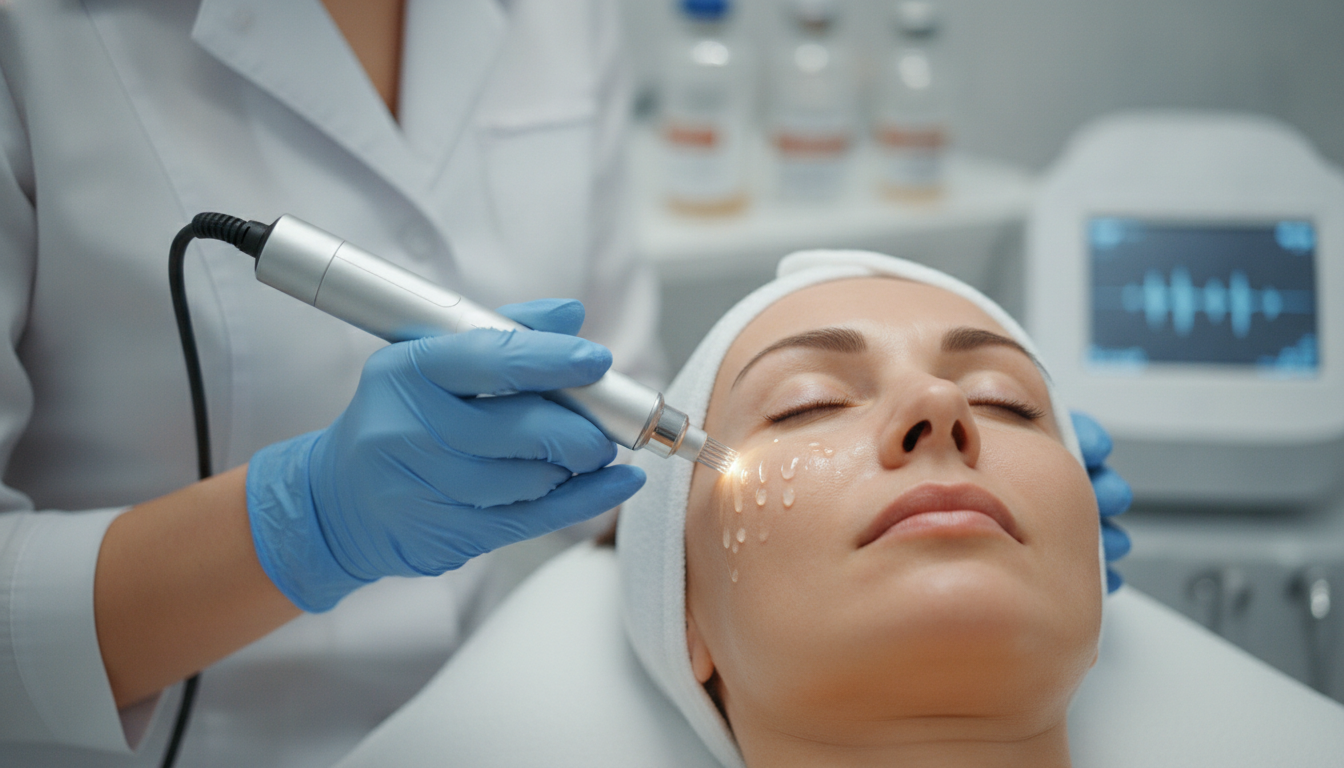
Microneedling uses a device with fine needles to create thousands of controlled micro-injuries in the skin. This sounds counterintuitive — but those tiny injuries trigger the skin’s wound-healing cascade, dramatically stimulating collagen and elastin production. The result is firmer, smoother, more youthful-looking skin over a series of treatments.
When combined with platelet-rich plasma (PRP) — sometimes called a “vampire facial” — the results are enhanced further, as growth factors in the plasma turbocharge the regenerative response.
Laser Skin Resurfacing
Laser treatments use focused light energy to either remove the outer skin layers (ablative lasers) or heat the deeper dermis without damaging the surface (non-ablative lasers). Both approaches stimulate significant collagen remodeling.
- Fractional laser treatments: Treat a fraction of the skin at a time, leaving surrounding tissue intact to speed up healing while still delivering impressive regenerative results.
- Non-ablative lasers: Minimal downtime with gradual improvement in skin texture, tone, and firmness.
Radiofrequency (RF) Treatments
Radiofrequency energy heats the deeper layers of the skin, causing existing collagen to contract (which produces an immediate tightening effect) and stimulating new collagen production over the following weeks and months. RF treatments are particularly effective for addressing skin laxity and improving overall skin quality.
Platelet-Rich Plasma (PRP) Therapy
PRP therapy uses a concentration of your own blood’s growth factors — derived from a simple blood draw — to stimulate tissue repair and regeneration. Injected or applied topically after microneedling, PRP sends a powerful biological signal to the skin to accelerate its natural healing and renewal processes.
Medical-Grade Skincare Programs
Under the guidance of a board-certified physician, a customized medical-grade skincare program can significantly support skin regeneration. Medical-grade formulations contain active ingredients at concentrations that are far more effective than what’s available over the counter — including prescription retinoids, higher-concentration antioxidants, and targeted peptides.
Skin Regeneration vs. Skin Rejuvenation: What’s the Difference?
These two terms are often used interchangeably, but they’re not quite the same thing.
- Skin regeneration refers specifically to the biological process of producing new cells and structural proteins — the actual cellular renewal happening within the skin.
- Skin rejuvenation is a broader term that refers to improving the overall appearance and function of the skin — which may include treatments that support regeneration, but also encompasses hydration, volume restoration, and surface refinement.
In practice, most professional skin treatments aim to achieve both — stimulating the underlying regenerative processes while delivering visible improvements in how the skin looks and feels.
Who is a Good Candidate for Skin Regeneration Treatments?
The short answer? Most women who are noticing the early or moderate signs of skin aging are excellent candidates for some type of skin regeneration treatment.
You may particularly benefit from professional regeneration treatments if you:
- Notice dullness, uneven tone, or rough texture that topical products haven’t resolved
- Are seeing fine lines or wrinkles developing, particularly around the eyes, mouth, or forehead
- Have experienced significant sun damage or hyperpigmentation
- Feel that your skin has lost firmness or elasticity
- Want to take a proactive approach to maintaining youthful skin before changes become more advanced
- Are going through or approaching menopause and noticing accelerated skin changes
The right treatment — or combination of treatments — depends on your specific skin type, concerns, and goals. This is why a personalized consultation with a qualified medical professional is so important before starting any regeneration protocol.
What to Expect from Skin Regeneration Treatments
Realistic expectations are key to a positive experience with any professional skin treatment. Here’s what’s generally true across most regeneration-focused procedures:
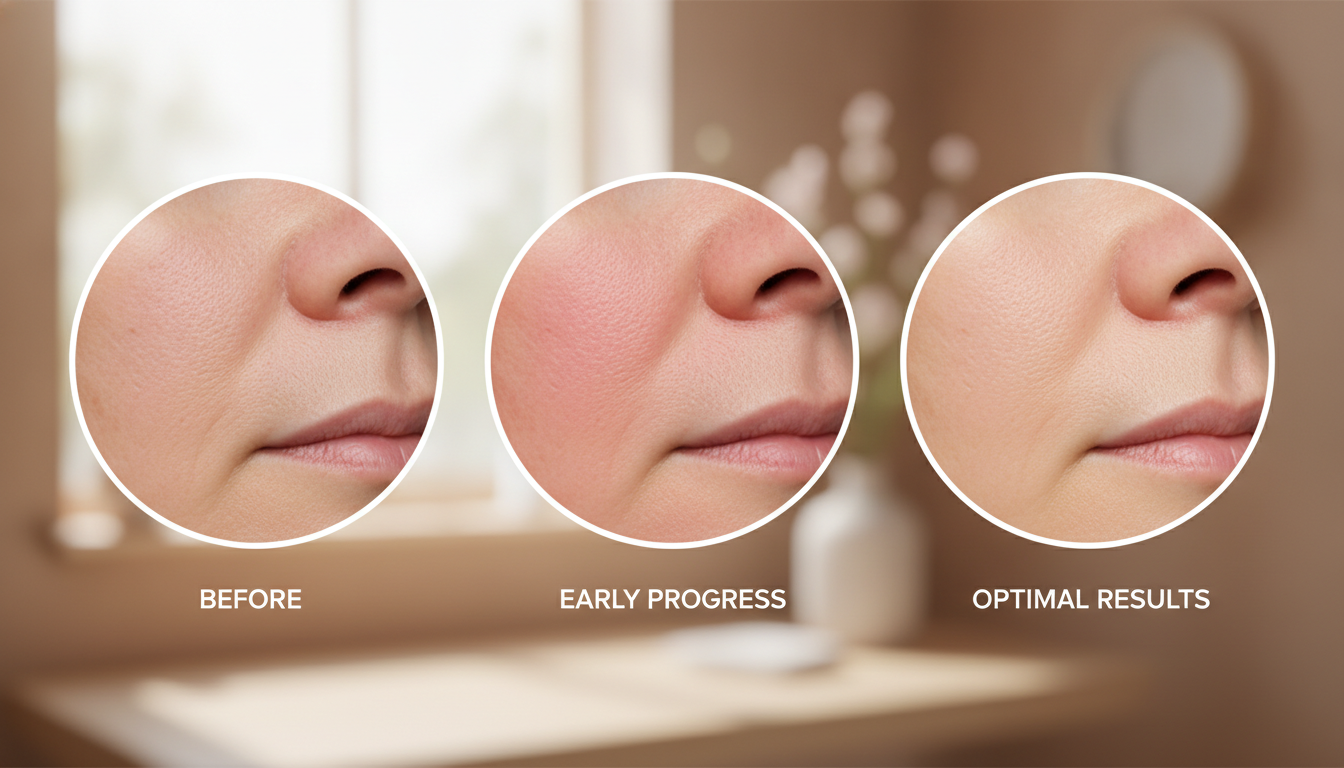
- Results take time: Because most regeneration treatments work by stimulating your skin’s own repair processes, you won’t see the full results immediately. Collagen remodeling, in particular, continues to improve for 3–6 months following a treatment.
- A series of treatments is often recommended: Depending on the treatment and the degree of concern being addressed, multiple sessions spaced appropriately apart typically deliver the best results.
- Maintenance matters: Skin regeneration treatments aren’t a one-time fix. Ongoing maintenance treatments, combined with a consistent at-home skincare routine, help sustain and build on your results over time.
- Individual results vary: Your skin type, age, lifestyle, and the specific concerns being treated all influence outcomes. An experienced provider will set appropriate expectations during your consultation.
The Role of Expert Medical Supervision in Skin Regeneration
This is a point that genuinely matters and is worth emphasizing: the quality of your provider makes an enormous difference in the safety and effectiveness of skin regeneration treatments.
Many of these procedures — particularly laser resurfacing, medium and deep chemical peels, and PRP treatments — require significant clinical skill and medical judgment to perform safely. Choosing the wrong treatment for your skin type, using incorrect settings on a laser device, or applying a peel at the wrong concentration can cause real harm, including hyperpigmentation, scarring, or prolonged recovery.
A board-certified physician with deep experience in medical aesthetics brings not just technical proficiency, but the ability to evaluate your skin from a comprehensive medical perspective — considering factors like hormonal influences, medication interactions, and systemic health conditions that can affect how your skin responds to treatment.
That level of expertise is what allows for truly personalized, effective, and safe care — not a generic treatment menu applied the same way to every patient.
Conclusion: Invest in Your Skin’s Natural Power to Renew
Skin regeneration isn’t a trend or a marketing term — it’s the biological reality of how your skin works. Understanding this process gives you a smarter framework for making decisions about your skincare, both at home and with professional treatments.
The good news is that your skin retains an impressive capacity for renewal well into your 50s, 60s, and beyond. With the right support — whether through targeted at-home products, professional treatments, or a combination of both — you can genuinely enhance your skin’s regenerative processes and achieve results that go far beyond what most people believe is possible.
At Beyond Aesthetics, we believe that effective skin care starts with expert medical oversight. Under the guidance of our board-certified MD with over 25 years of experience, we create personalized skin regeneration plans that address your unique concerns — whether you’re just beginning to notice the first signs of aging or are ready to tackle more advanced changes. With same-day consultation availability and flexible scheduling, taking that first step has never been easier.
Your skin has the remarkable ability to rebuild itself. Let us help you make the most of it.