The most effective anti-aging strategy isn’t waiting until wrinkles appear—it’s preventing them from forming in the first place. While many women associate Botox with correcting existing lines, preventative Botox in your 20s and 30s can maintain youthful skin for decades. This proactive approach is reshaping how we think about skincare and aging.
What Is Preventative Botox?
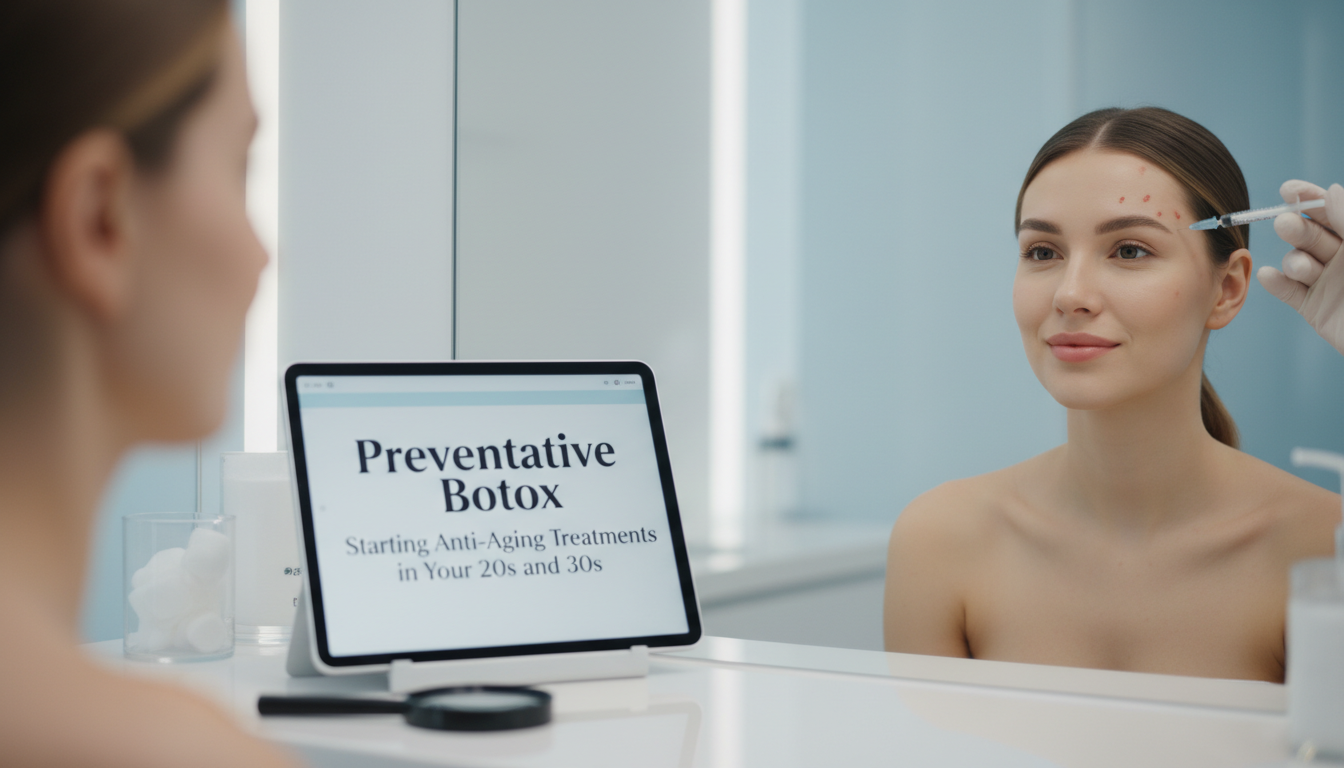
Preventative Botox involves using small doses of botulinum toxin injections before deep wrinkles and lines become permanent. Unlike traditional Botox treatments that target established wrinkles, this approach focuses on relaxing facial muscles before they create lasting creases in the skin.
The science is straightforward: repeated muscle contractions from facial expressions gradually break down collagen and elastin, leading to permanent lines. By temporarily relaxing these muscles during your younger years, you can slow down this process significantly.
Here’s what makes preventative Botox different from traditional treatments:
- Smaller doses are typically used
- Treatment areas focus on dynamic expression lines
- The goal is prevention rather than correction
- Results appear more natural with subtle muscle relaxation
- Treatments may be spaced further apart initially
The Science Behind Early Intervention
Understanding why preventative Botox works requires knowing how wrinkles form. Dynamic wrinkles develop from repetitive muscle movements—squinting, frowning, raising eyebrows, and smiling. Over time, these expressions create grooves in the skin that eventually become permanent static wrinkles.
Research shows that muscle memory plays a significant role in wrinkle formation. When you repeatedly make the same facial expressions, your muscles “remember” these positions and maintain some tension even at rest. Preventative Botox interrupts this cycle by giving muscles regular periods of complete relaxation.
Collagen and Elastin Preservation
Your skin’s support structure depends on collagen and elastin fibers. These proteins naturally decline by about 1% per year starting in your mid-20s. Constant muscle contractions accelerate this breakdown in specific areas, particularly around the eyes, forehead, and between the brows.
By reducing muscle activity in these areas, preventative Botox allows your skin’s natural repair processes to work more effectively. This means better collagen preservation and slower development of permanent lines.
Ideal Age to Start Preventative Botox
Most dermatologists and aesthetic medicine specialists recommend considering preventative Botox when you first notice dynamic lines appearing during facial expressions. For most people, this occurs between ages 25 and 35, though individual factors vary significantly.
Here are key indicators you might be ready for preventative treatment:
- You notice lines appearing when you make expressions that disappear when your face relaxes
- You have strong facial muscles that create pronounced expressions
- Family history shows early wrinkle development
- You spend significant time in the sun or have sun damage
- You frequently squint due to vision issues or bright environments
Starting in Your 20s
Beginning preventative Botox in your 20s works best for individuals with particularly expressive faces or strong muscle activity. The goal isn’t to eliminate all expression but to reduce the intensity of muscle contractions that lead to premature aging.
Benefits of starting early include:
- Maximum prevention of line formation
- Smaller doses needed for effective results
- More natural-looking outcomes
- Cost-effectiveness over time
Starting in Your 30s
Your 30s represent the sweet spot for many women beginning preventative Botox. At this age, you might notice the first signs of static lines beginning to form, making intervention both preventative and mildly corrective.
Advantages include:
- Stopping progression of early lines
- Preventing deepening of existing fine lines
- Maintaining current skin quality
- Preparing skin for hormonal changes ahead

Target Areas for Preventative Treatment
Preventative Botox focuses on specific areas where dynamic wrinkles commonly develop. Understanding these target zones helps you make informed decisions about treatment.
Forehead Lines
Horizontal forehead lines result from raising your eyebrows repeatedly. These lines often appear first and can make you look worried or tired. Preventative treatment uses small doses to maintain some natural movement while preventing deep creasing.
Crow’s Feet
The delicate skin around your eyes shows aging signs early due to frequent squinting and smiling. Preventative Botox in this area can preserve the smooth appearance while maintaining natural expression when you smile.
Frown Lines (11s)
The vertical lines between your eyebrows, often called “elevens,” can make you appear angry or concerned even when relaxed. These lines respond exceptionally well to preventative treatment and are often the first area people choose to address.
Additional Areas
Depending on your facial anatomy and expression patterns, other areas might benefit from preventative treatment:
- Bunny lines on the nose
- Lip lines from pursing
- Neck bands
- Jawline (for teeth grinding)
What to Expect During Treatment
Preventative Botox appointments typically take 15-30 minutes and involve minimal discomfort. Here’s the standard process:
Consultation
A thorough consultation should always precede treatment. During this time, your provider will:
- Assess your facial anatomy and muscle strength
- Discuss your concerns and goals
- Explain realistic outcomes
- Create a customized treatment plan
- Review your medical history
The Injection Process
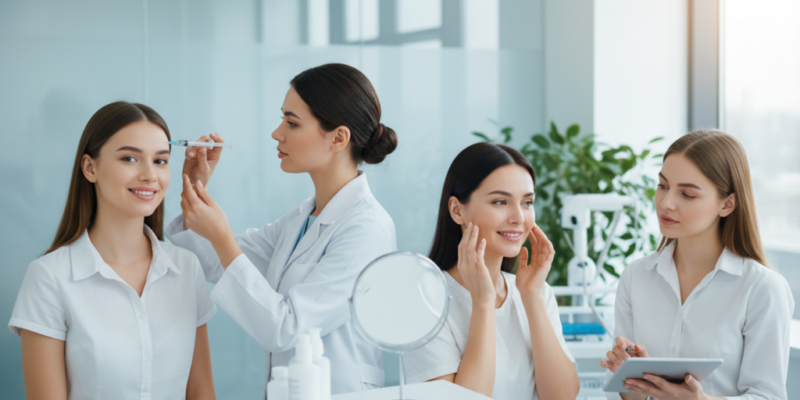
The actual treatment involves multiple small injections using very fine needles. Most people describe the sensation as similar to a small pinch or mosquito bite. No anesthesia is typically needed, though topical numbing cream can be applied if you’re particularly sensitive.
Post-Treatment Care
Recovery from preventative Botox is minimal. You can return to most normal activities immediately, with a few precautions:
- Avoid lying down for 4 hours after treatment
- Don’t exercise vigorously for 24 hours
- Avoid touching or massaging treated areas
- Stay upright and keep your head elevated
Results and Longevity
Preventative Botox results typically appear within 3-7 days and reach full effect by two weeks. Since the goal is prevention rather than dramatic change, results should look natural and subtle.
Most people enjoy results for 3-4 months initially, though this can extend to 4-6 months with regular treatments as muscles become “trained” to relax. Some individuals find they can space treatments further apart over time.
Maintaining Results
Consistency is key to maximizing preventative benefits. Regular treatments every 3-4 months initially, potentially extending to every 4-6 months, provide optimal prevention. Skipping treatments won’t cause accelerated aging, but you’ll lose the preventative benefits.
Cost Considerations and Value
While preventative Botox requires ongoing investment, many find it cost-effective compared to more invasive procedures later. Consider these financial factors:
Initial Costs
Preventative treatments typically use fewer units than corrective treatments, making them less expensive per session. Costs vary by geographic location and provider experience but generally range from $200-600 per treatment session.
Long-term Value
The long-term value of preventative Botox becomes apparent when considering alternatives:
- Surgical facelifts cost $7,000-15,000 or more
- Laser treatments for wrinkle correction range from $1,000-5,000
- Chemical peels and other corrective treatments add up over time
- Prevention is almost always more cost-effective than correction
Potential Risks and Considerations
Preventative Botox is generally very safe when performed by qualified professionals, but understanding potential risks helps you make informed decisions.
Common Side Effects
Most side effects are minor and temporary:
- Slight bruising at injection sites
- Temporary redness or swelling
- Mild headache (rare)
- Temporary asymmetry if muscles respond differently
Rare but Serious Risks
Serious complications are extremely rare but can include:
- Drooping eyelids or eyebrows
- Difficulty closing eyes completely
- Allergic reactions
- Spread of toxin to unintended areas
These risks are minimized by choosing experienced, qualified providers who understand facial anatomy thoroughly.
Choosing the Right Provider
The success and safety of preventative Botox depend heavily on your provider’s skill and experience. Here’s what to look for:
Qualifications and Training
Seek providers who are:
- Board-certified physicians, dermatologists, or plastic surgeons
- Specifically trained in aesthetic injections
- Experienced with preventative approaches
- Operating in accredited medical facilities
Consultation Quality
A good provider should:
- Spend adequate time understanding your goals
- Explain risks and benefits thoroughly
- Show before and after photos of similar cases
- Never pressure you into immediate treatment
- Offer realistic expectations about outcomes
Combining Preventative Botox with Other Treatments
Preventative Botox works best as part of a complete skincare regimen. Consider these complementary approaches:
Professional Skincare
Regular professional treatments enhance Botox benefits:
- Chemical peels for surface texture
- Microneedling for collagen stimulation
- Professional facials for overall skin health
- Laser treatments for sun damage
At-Home Care
Daily skincare habits support your investment:
- Consistent sunscreen use (SPF 30+ daily)
- Retinoid products for cell turnover
- Quality moisturizers with active ingredients
- Antioxidant serums for protection
Making the Decision: Is Preventative Botox Right for You?
Deciding whether to start preventative Botox involves personal factors beyond age. Consider these questions:
- Do you have realistic expectations about results?
- Are you committed to regular maintenance treatments?
- Can you afford ongoing treatments comfortably?
- Do you have any medical contraindications?
- Are you doing it for yourself rather than external pressure?
The right time to start varies for everyone. Some women begin in their mid-20s, while others wait until their 30s or even 40s. The key is making an informed decision based on your individual needs and goals.
Preventative Botox represents a shift toward proactive aging strategies rather than reactive treatments. When performed by experienced professionals, it can help maintain your natural beauty while preventing the formation of unwanted lines and wrinkles. The investment in prevention often proves more cost-effective and less invasive than corrective treatments later in life.
If you’re considering preventative Botox, schedule a consultation with a qualified provider to discuss your specific situation. At Beyond Aesthetics, our board-certified MD with over 25 years of experience provides expert guidance on preventative treatments, helping you make informed decisions about your aesthetic journey. With same-day consultations and flexible scheduling, we make it easy to explore how preventative Botox might fit into your long-term skincare strategy.