Traditional facelifts once required weeks of recovery time and surgical risks, but ultrasound technology has revolutionized non-invasive skin lifting. Ultherapy harnesses focused ultrasound energy to stimulate collagen production deep within facial and neck tissues, delivering lifting results without a single incision. This FDA-approved treatment targets the same foundational layers addressed in surgical procedures while maintaining your daily routine.

Understanding Ultherapy Technology
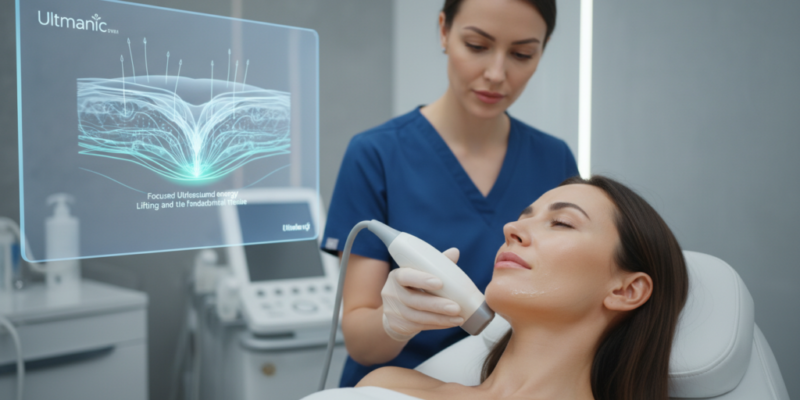
Ultherapy stands apart from other skin tightening treatments through its unique use of micro-focused ultrasound energy. Unlike laser treatments that work on the skin’s surface, this technology penetrates to the SMAS layer—the same deep tissue plane that plastic surgeons target during traditional facelifts.
The treatment delivers precise thermal energy at specific depths: 1.5mm, 3.0mm, and 4.5mm beneath the skin’s surface. This targeted approach triggers your body’s natural healing response, stimulating fresh collagen and elastin production over the following months.
How Ultrasound Lifting Works
Here’s what happens during the collagen regeneration process:
- Immediate thermal coagulation: Ultrasound energy creates controlled micro-injuries in targeted tissue
- Inflammatory response: Your body begins repairing the treated areas within hours
- Collagen synthesis: New collagen fibers form over 2-3 months, gradually lifting and tightening skin
- Tissue remodeling: Continued improvement occurs for up to 6 months as collagen matures
This might surprise you: the lifting effect you see isn’t from the treatment itself, but from your body’s natural response to the precisely controlled thermal energy.
Treatment Areas and Capabilities
Ultherapy effectively addresses multiple signs of aging across the face and neck. The treatment’s versatility allows practitioners to customize depth and intensity based on specific anatomical areas and individual skin concerns.
Facial Treatment Zones
The face benefits from Ultherapy in several key areas:
- Brow lifting: Addresses drooping eyebrows and forehead sagging
- Upper eyelid tightening: Reduces hooding without surgical blepharoplasty
- Cheek lifting: Restores volume and definition to the mid-face
- Jawline contouring: Sharpens definition and reduces jowling
- Nasolabial fold softening: Minimizes smile lines through tissue lifting
Neck and Décolletage Enhancement
The neck area shows particularly dramatic results with Ultherapy. Many women notice significant improvement in:
- Turkey neck reduction
- Horizontal neck lines
- Jawline definition
- Overall neck contour
The reality is that neck aging often occurs faster than facial aging, making this treatment area especially valuable for maintaining a youthful appearance.
Treatment Process and Experience
Understanding what to expect during your Ultherapy session helps ensure comfort and optimal results. The treatment typically takes 60-90 minutes, depending on the areas being addressed.
Pre-Treatment Preparation
Most businesses miss this: proper preparation significantly impacts both comfort and results. Your practitioner should:
- Conduct thorough skin analysis using ultrasound imaging
- Mark treatment areas for precise energy delivery
- Discuss pain management options
- Review realistic timeline expectations
During the Procedure
Here’s what happens step-by-step:
- Skin preparation: The treatment area is cleansed and ultrasound gel applied
- Ultrasound visualization: The practitioner uses imaging to identify optimal treatment layers
- Energy delivery: Focused ultrasound pulses are delivered in a systematic pattern
- Real-time monitoring: Continuous imaging ensures accurate depth and coverage
The sensation varies by individual but typically feels like brief, intense heat followed by tingling. Many practitioners offer topical numbing or oral pain medication to enhance comfort.
Results Timeline and Longevity
Ultherapy results develop gradually, which often surprises first-time patients. Unlike injectable treatments that provide immediate changes, ultrasound lifting requires patience as your body builds new collagen.
What to Expect Month by Month
Weeks 1-2: Minimal visible changes, possible mild swelling or tenderness
Month 1: Subtle tightening begins, skin texture may improve
Months 2-3: Noticeable lifting becomes apparent, particularly in the neck and jawline
Months 4-6: Peak results emerge as collagen maturation completes
Here’s the thing about longevity: results typically last 12-24 months, though individual factors like age, skin condition, and lifestyle influence duration. Many patients schedule annual maintenance treatments to sustain their improvements.
Ideal Candidates for Ultherapy
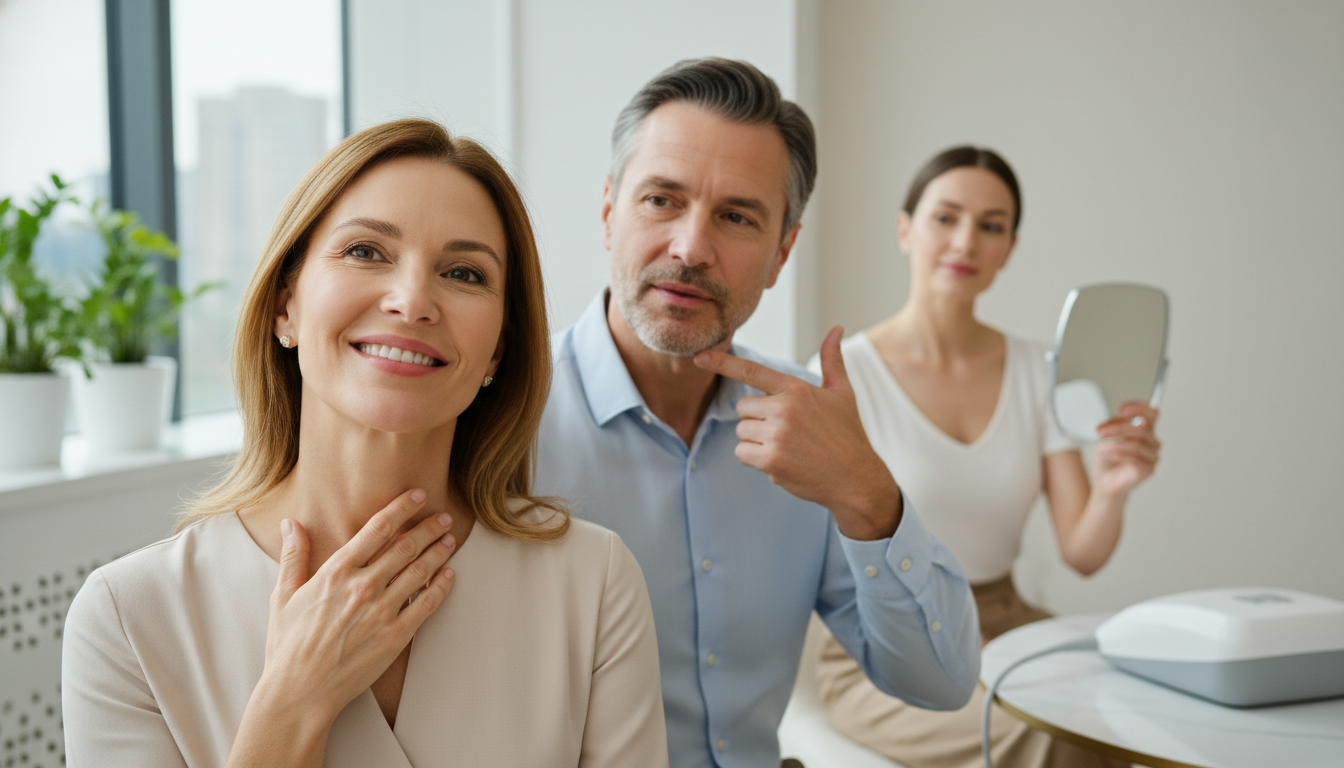
Not everyone benefits equally from ultrasound skin lifting. The best candidates share certain characteristics that predict successful outcomes.
Perfect Candidates Include:
- Women aged 30-65 with mild to moderate skin laxity
- Those seeking gradual, natural-looking improvement
- Patients wanting to avoid surgical downtime
- Individuals with realistic expectations about timeline and results
Who Should Consider Other Options
Ultherapy may not be ideal for:
- Severe skin sagging requiring surgical intervention
- Very thin skin with minimal subcutaneous tissue
- Active skin infections or open wounds in treatment areas
- Unrealistic expectations for immediate dramatic changes
Safety Profile and Side Effects
FDA approval reflects Ultherapy’s extensive safety testing and clinical validation. Understanding potential side effects helps you make informed decisions about treatment.
Common Temporary Effects
Most patients experience mild side effects that resolve within days:
- Redness and swelling immediately post-treatment
- Tenderness or soreness for 1-2 weeks
- Temporary numbness or tingling sensations
- Rare bruising in sensitive individuals
Serious Complications
While uncommon, serious side effects can occur when treatments are performed improperly:
- Nerve injury leading to facial weakness
- Burns from excessive energy levels
- Asymmetrical results from uneven treatment
- Paradoxical tissue loosening
This is why choosing an experienced, board-certified practitioner is essential for both safety and results.
Comparing Ultherapy to Alternative Treatments
Understanding how Ultherapy compares to other skin tightening options helps you choose the most appropriate treatment for your goals and lifestyle.
Ultherapy vs. Radiofrequency Treatments
Ultherapy advantages:
- Deeper penetration to foundational tissue layers
- More dramatic lifting results
- Longer-lasting improvement
- Single treatment protocol
Radiofrequency advantages:
- More comfortable treatment experience
- Better for skin texture improvement
- Lower cost per session
- Suitable for all skin types
Ultherapy vs. Surgical Facelift
Here’s what works for different situations:
Choose Ultherapy when:
- You have mild to moderate skin laxity
- Surgical downtime isn’t feasible
- You prefer gradual, natural-looking results
- Budget considerations favor non-surgical options
Consider surgery when:
- Significant skin excess requires removal
- Dramatic transformation is desired
- Long-term results justify the investment
- Other treatments haven’t achieved goals
Maximizing Your Ultherapy Results
While Ultherapy works independently, certain strategies can enhance and prolong your results. Smart preparation and post-treatment care make a significant difference in outcomes.
Pre-Treatment Optimization
Start preparing weeks before your appointment:
- Hydrate consistently: Well-hydrated skin responds better to treatment
- Use retinoids: Vitamin A products improve collagen baseline
- Avoid blood thinners: Reduces bruising risk
- Schedule strategically: Plan around important events
Post-Treatment Enhancement
Support your body’s healing process with:
- High-quality skincare with peptides and antioxidants
- Professional-grade vitamin C serums
- Consistent sun protection to prevent collagen breakdown
- Adequate sleep and nutrition for optimal healing

Cost Considerations and Value Analysis
Ultherapy represents a significant investment, and understanding the value proposition helps with decision-making. Treatment costs vary based on geographic location, practitioner experience, and treatment scope.
Factors Affecting Price
Several variables influence your total investment:
- Treatment area size: Full face and neck cost more than targeted zones
- Geographic location: Urban areas typically charge premium rates
- Practitioner credentials: Board-certified physicians command higher fees
- Facility overhead: Medical spas vs. physician offices vary in pricing
Value Comparison
When comparing to alternatives, consider:
- Single treatment vs. multiple sessions required
- Longevity of results (12-24 months)
- No downtime or recovery costs
- Avoided surgical fees and risks
Choosing the Right Practitioner
Your results depend heavily on practitioner skill and experience. The most advanced technology can’t compensate for inadequate training or poor technique.
Essential Qualifications
Look for practitioners who offer:
- Board certification in dermatology or plastic surgery
- Extensive Ultherapy training and certification
- Before-and-after photo galleries
- Comprehensive consultation process
- Medical oversight and emergency protocols
Red Flags to Avoid
Be cautious of:
- Unusually low pricing that seems too good to be true
- High-pressure sales tactics
- Limited consultation time
- Unwillingness to discuss risks or alternatives
- Non-medical settings without physician supervision
Combining Ultherapy with Other Treatments
Many patients achieve superior results by combining Ultherapy with complementary procedures. Strategic treatment combinations address multiple aging concerns simultaneously.
Popular Combination Approaches
The Complete Rejuvenation: Ultherapy + Botox + dermal fillers
- Addresses muscle movement, volume loss, and skin laxity
- Provides immediate and gradual improvements
- Maximizes anti-aging impact
The Texture Enhancement: Ultherapy + laser resurfacing
- Improves skin quality while lifting tissue
- Addresses sun damage and fine lines
- Creates comprehensive skin transformation
Timing Considerations
Here’s what works for treatment sequencing:
- Perform Ultherapy first, then add other treatments 2-4 weeks later
- Complete any resurfacing treatments before ultrasound lifting
- Schedule Botox and fillers after initial Ultherapy healing
- Plan maintenance treatments to sustain combined results
Conclusion
Ultherapy offers a compelling solution for women seeking significant skin lifting without surgical intervention. The treatment’s ability to stimulate deep collagen production creates natural-looking improvements that develop gradually and last for months.
Success with Ultherapy depends on realistic expectations, proper candidate selection, and expert technique. While not everyone benefits equally from ultrasound lifting, those with mild to moderate skin laxity often achieve remarkable results.
The investment in professional treatment pays dividends in restored confidence and youthful appearance. When performed by experienced practitioners, Ultherapy delivers the lifting benefits many women desire while maintaining their active lifestyles.
At Beyond Aesthetics, our board-certified physician brings over 25 years of experience to every Ultherapy treatment. We provide complete medical supervision and same-day consultations to help you determine if ultrasound skin lifting aligns with your aesthetic goals. Contact us today to explore how this innovative technology can restore your skin’s youthful contours.