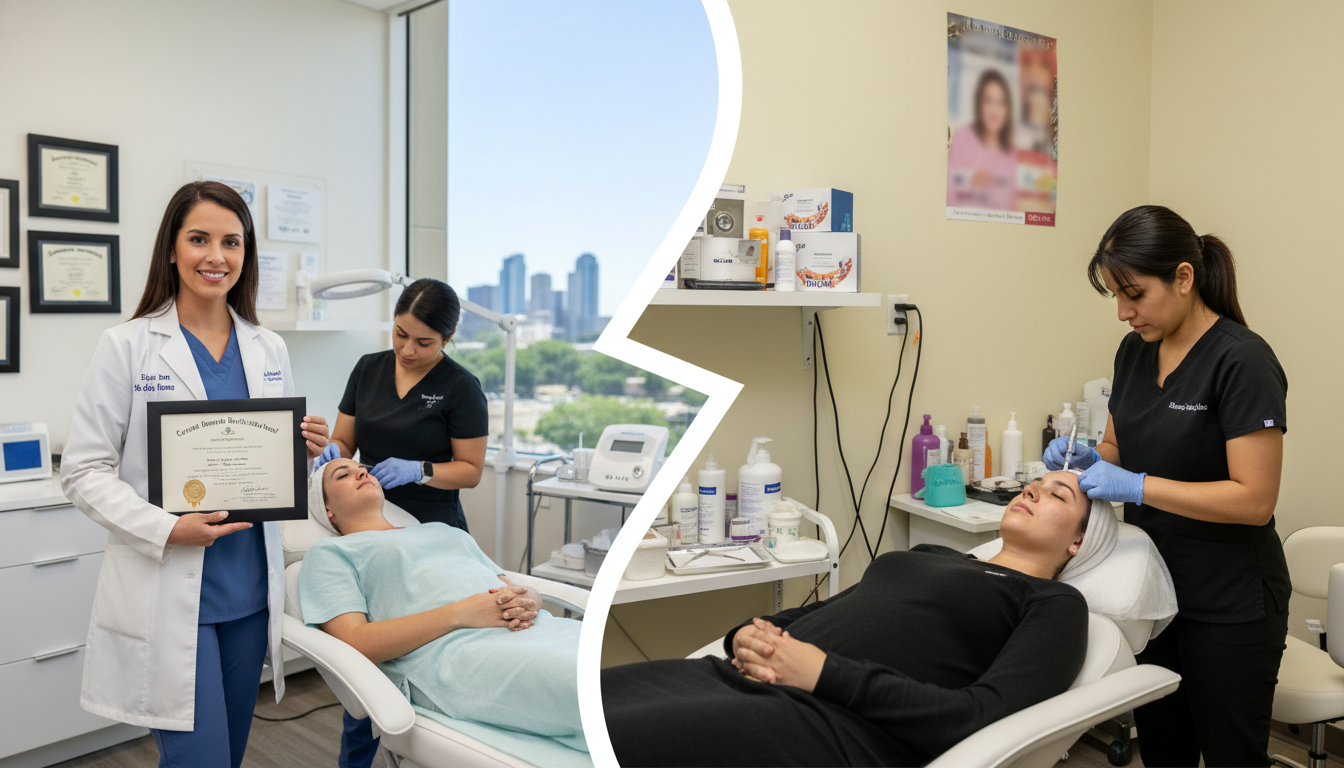

Shaving every day, painful waxing sessions, and the constant cycle of hair regrowth have become routine burdens for countless women in Harlingen. Laser hair removal technology has transformed this reality, offering a medically-supervised pathway to permanent hair reduction that eliminates the need for temporary solutions. Understanding the treatment process and selecting qualified providers makes all the difference in achieving smooth, hair-free skin.
Understanding Laser Hair Removal Technology
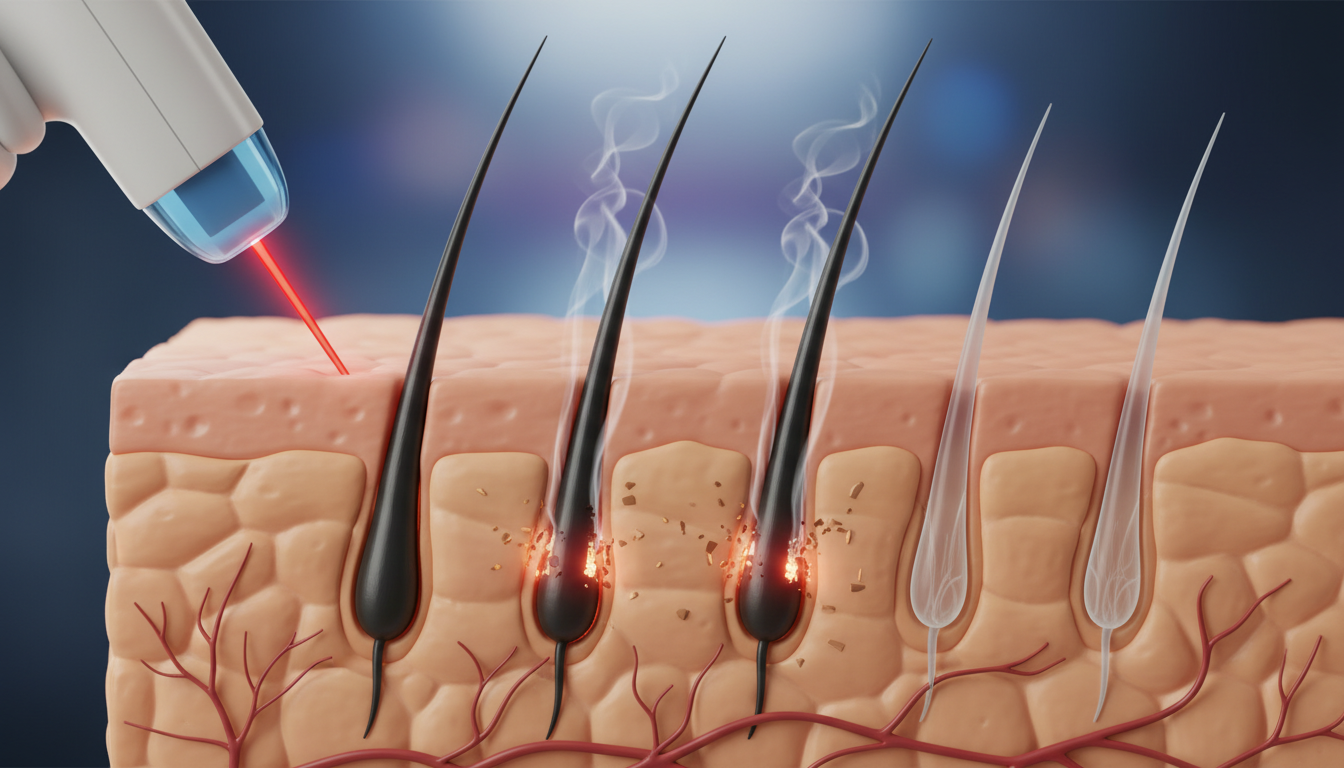
Laser hair removal works by targeting melanin in hair follicles with concentrated light energy. The laser beam penetrates the skin and destroys the hair follicle at its root, preventing future growth. This process, called selective photothermolysis, requires multiple sessions because hair grows in different cycles.
Modern laser systems offer significant improvements over older technologies. Diode lasers, alexandrite lasers, and Nd:YAG lasers each serve different skin types and hair colors. Board-certified medical professionals can determine which laser technology works best for your specific needs.
How the Treatment Process Works
Each laser hair removal session follows a structured approach:
- Consultation and skin assessment
- Treatment area preparation and marking
- Laser settings calibration for your skin type
- Protective eyewear application
- Systematic laser application to target areas
- Post-treatment care instructions
The actual laser application takes anywhere from 15 minutes for small areas like the upper lip to 90 minutes for full legs. Most patients describe the sensation as similar to rubber band snaps against the skin.
Treatment Areas and Results
Laser hair removal effectively treats virtually any body area where unwanted hair grows. Popular treatment zones include:
Facial Areas
- Upper lip and chin
- Eyebrow shaping
- Full face treatment
- Sideburn reduction
Body Areas
- Underarms
- Bikini line and Brazilian
- Legs (full or partial)
- Arms and hands
- Back and shoulders
- Chest and abdomen
Results vary based on hair color, thickness, and growth patterns. Dark, coarse hair responds best to laser treatment, while fine or light-colored hair may require more sessions. Most patients achieve 80-90% permanent hair reduction after completing their treatment series.
Number of Sessions Required
Hair grows in three distinct phases: anagen (active growth), catagen (transitional), and telogen (resting). Laser treatment only affects hair in the anagen phase, which is why multiple sessions are necessary.
Typical treatment schedules include:
- Facial areas: 6-8 sessions, spaced 4-6 weeks apart
- Body areas: 6-10 sessions, spaced 6-8 weeks apart
- Hormonal areas: 8-12 sessions due to hormone-driven regrowth
Individual factors like genetics, hormones, and medication use can influence the total number of sessions needed. A qualified medical provider will create a personalized treatment plan during your consultation.

Preparing for Your Treatment
Proper preparation ensures optimal results and minimizes potential side effects. Here’s what you need to do before each session:
Six Weeks Before Treatment
- Stop plucking, waxing, or using depilatory creams
- Avoid sun exposure and tanning beds
- Discontinue certain medications if advised by your provider
24-48 Hours Before Treatment
- Shave the treatment area closely
- Avoid lotions, deodorants, and makeup on treatment areas
- Stay hydrated and get adequate sleep
Day of Treatment
- Wear comfortable, loose-fitting clothing
- Arrive with clean, product-free skin
- Bring sunglasses if treating facial areas
Your provider will review these guidelines during your consultation and provide specific instructions based on your treatment plan.
What to Expect During Treatment
Understanding the treatment experience helps reduce anxiety and ensures you’re prepared. Here’s what typically happens:
The treatment room will be clean and clinical, with the laser equipment clearly visible. Your provider will review your medical history and conduct a patch test if it’s your first session.
During the actual treatment, you’ll feel each laser pulse as a brief, warm sensation. Many modern lasers include cooling systems that minimize discomfort. The provider will work systematically across the treatment area, ensuring complete coverage.
Most patients tolerate the procedure well without numbing cream, though topical anesthetics are available for sensitive areas. Communication with your provider throughout the session ensures your comfort level remains acceptable.
Post-Treatment Care and Recovery
Proper aftercare maximizes results and prevents complications. Your skin may appear slightly red or swollen immediately after treatment, similar to mild sunburn.
First 24 Hours
- Apply cool compresses to reduce swelling
- Avoid hot showers, saunas, or intense exercise
- Use gentle, fragrance-free moisturizers
- Stay out of direct sunlight
First Week
- Continue sun avoidance or use SPF 30+ sunscreen
- Avoid scrubbing or exfoliating treated areas
- Don’t pick at any scabs or irritated skin
- Shave if needed, but avoid other hair removal methods
Most side effects resolve within 2-3 days. Contact your provider if you experience prolonged redness, blistering, or signs of infection.
Potential Side Effects and Risks
When performed by qualified medical professionals, laser hair removal is generally safe. However, understanding potential side effects helps you make informed decisions.
Common Side Effects
- Temporary redness and swelling
- Mild skin irritation
- Temporary pigment changes
- Slight crusting or scabbing
Rare but Serious Risks
- Permanent scarring
- Severe burns
- Permanent pigment changes
- Eye injury (if safety protocols aren’t followed)
The risk of serious complications drops significantly when you choose board-certified providers with extensive laser experience. Always verify your provider’s credentials and ask about their complication rates.

Choosing the Right Provider in Harlingen
The success and safety of your laser hair removal depend heavily on provider selection. Not all practitioners have equal training or experience with laser systems.
Essential Qualifications to Look For
- Board certification in dermatology, plastic surgery, or related medical field
- Extensive laser hair removal experience (hundreds of procedures)
- Up-to-date laser safety certification
- Multiple laser systems for different skin types
- Detailed consultation and patch testing protocols
Red Flags to Avoid
- Providers without medical oversight
- Unrealistic promises of complete hair removal
- Significantly below-market pricing
- Pressure to purchase large package deals upfront
- Reluctance to discuss risks or show credentials
Schedule consultations with multiple providers to compare their approaches, facilities, and patient education quality.
Cost Considerations and Value
Laser hair removal represents a significant upfront investment, but the long-term value often exceeds the initial cost when compared to lifelong hair removal expenses.
Factors Affecting Treatment Cost
- Treatment area size and complexity
- Number of sessions required
- Provider’s experience and credentials
- Geographic location and market competition
- Technology and equipment quality
In Harlingen, expect to pay $150-300 per session for small areas like the upper lip, and $300-800 per session for large areas like full legs. Many providers offer package deals that reduce per-session costs.
Calculating Long-Term Savings
Consider your current hair removal expenses:
- Monthly waxing appointments: $50-150
- Razors and shaving cream: $20-40 monthly
- Professional treatments over 20 years: $12,000-36,000
Most patients recover their laser hair removal investment within 2-3 years through eliminated ongoing hair removal costs.
Frequently Asked Questions
Is laser hair removal truly permanent?
The FDA classifies laser hair removal as “permanent hair reduction,” not complete elimination. Most patients achieve 80-90% reduction, with remaining hair becoming finer and lighter. Occasional touch-up sessions may be needed.
Does laser hair removal work on all skin types?
Modern laser systems can safely treat most skin types, though results vary. Darker skin requires specific laser wavelengths and experienced providers to avoid complications. A thorough consultation determines your candidacy.
Can I get laser hair removal while pregnant?
Most medical professionals recommend postponing laser hair removal during pregnancy and breastfeeding, though no specific risks have been documented. Hormonal changes during pregnancy can also affect treatment effectiveness.
How long do results last?
Results from completed treatment series typically last several years to decades. Hormonal changes, medications, or medical conditions may cause some hair regrowth requiring maintenance sessions.
Making Your Decision
Laser hair removal offers freedom from daily shaving routines and painful waxing appointments. The treatment’s success depends on realistic expectations, proper provider selection, and commitment to the complete session series.
Take time to research providers thoroughly, understand the financial commitment, and prepare for the multi-month treatment process. When performed correctly by qualified medical professionals, laser hair removal delivers lasting results that enhance both convenience and confidence.
Ready to explore permanent hair reduction options? Beyond Aesthetics combines over 25 years of medical expertise with advanced laser technology, offering same-day consultations to help you determine if laser hair removal aligns with your aesthetic goals. Our board-certified medical supervision ensures both safety and effectiveness throughout your treatment journey.